
358 Anti-Climbing Fence – High-Security Mesh Fencing Solution
Release Time:
Jun 04,2026
358 anti climbing fence is a high-security welded mesh fencing system with small apertures, strong steel wires, and anti-cut, anti-climb protection for maximum security for
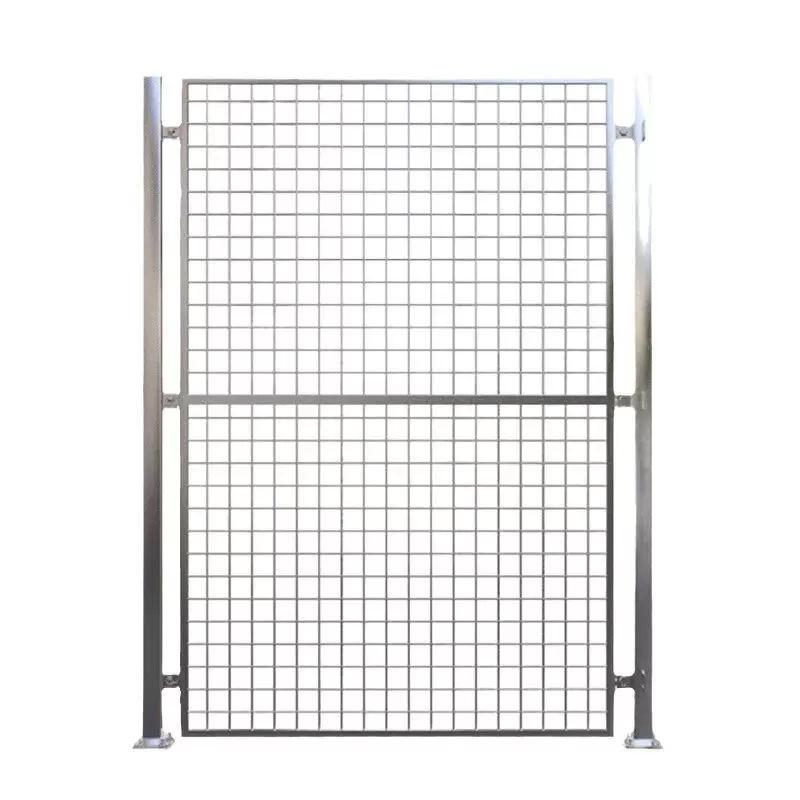
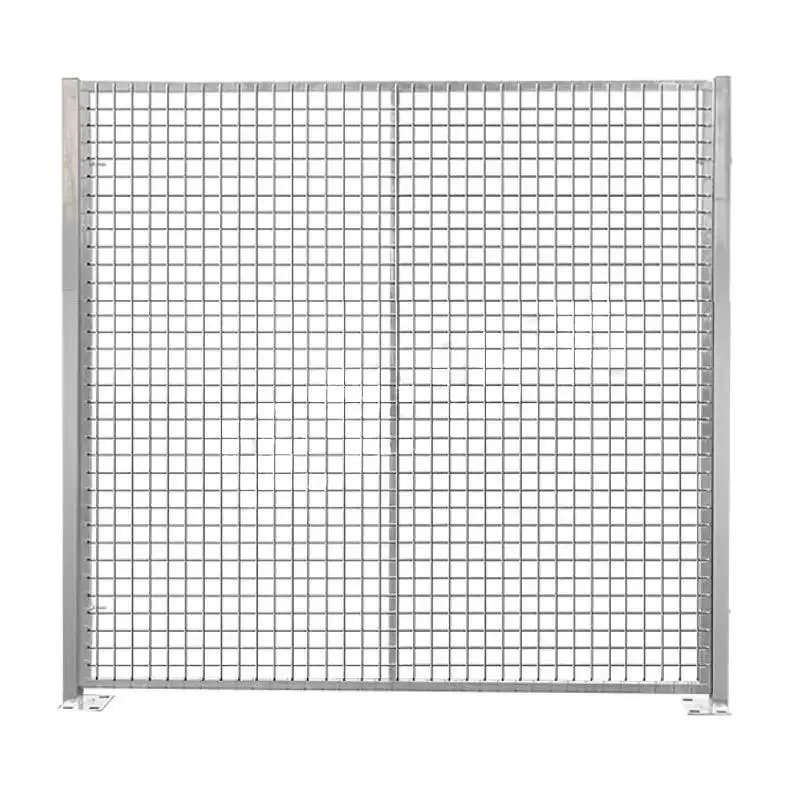
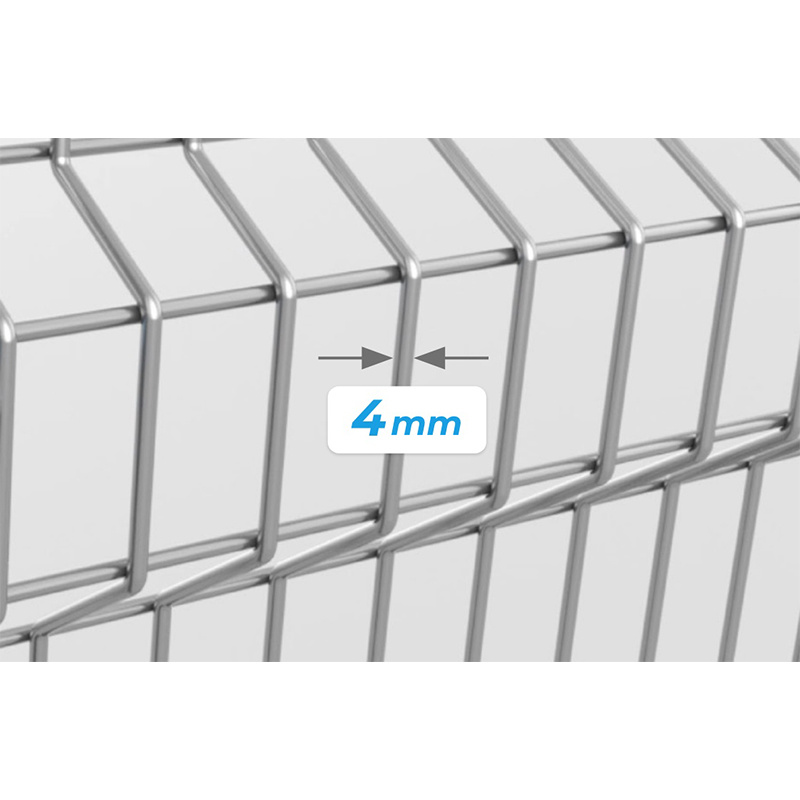
The 358 anti climbing fence, also known as a “prison mesh fence” or “high-security welded mesh fence,” is an advanced fencing system designed to provide maximum security in residential, commercial, industrial, and government environments. Constructed from high-quality steel wire with a small aperture design, this fencing system effectively prevents climbing, cutting, or tampering, making it ideal for applications where safety and perimeter security are paramount. The numerical designation "358" refers to the mesh specifications: 3 inches by 0.5 inches, made of 8-gauge steel wire. This configuration creates a rigid, durable, and visually imposing barrier that is difficult to penetrate.
The 358 fence is engineered with anti-climb features, including narrow spacing between vertical and horizontal wires, making it extremely difficult for intruders to gain footholds or grip points. Its strong steel construction also resists cutting with common hand tools, adding an extra layer of security. The surface is typically treated with corrosion-resistant coatings, such as galvanization and powder coating, ensuring long-term durability even in harsh weather conditions. High-quality finish options not only enhance security but also provide aesthetic appeal for urban and residential installations.
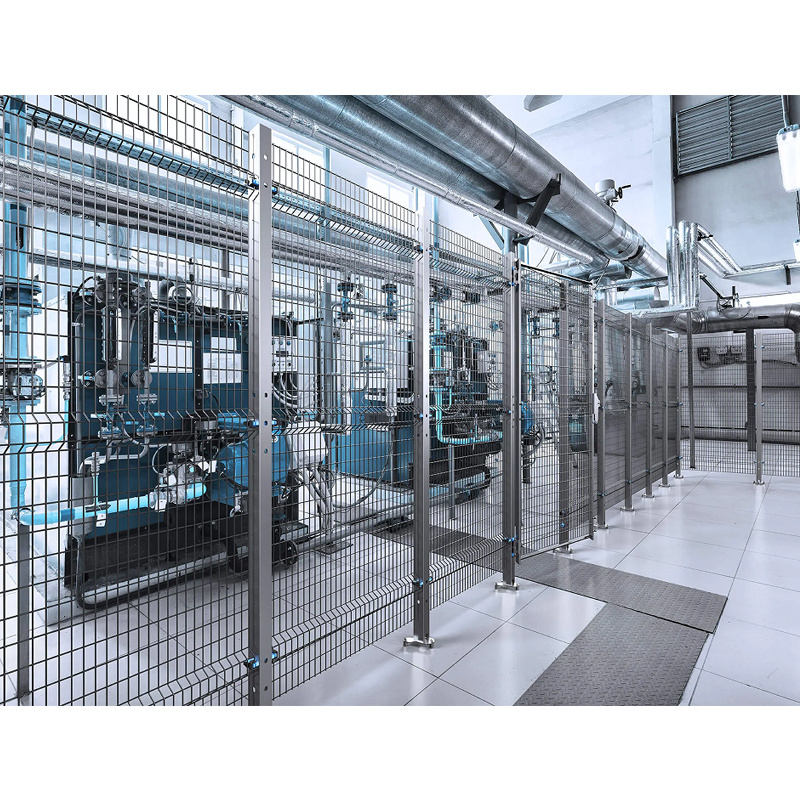
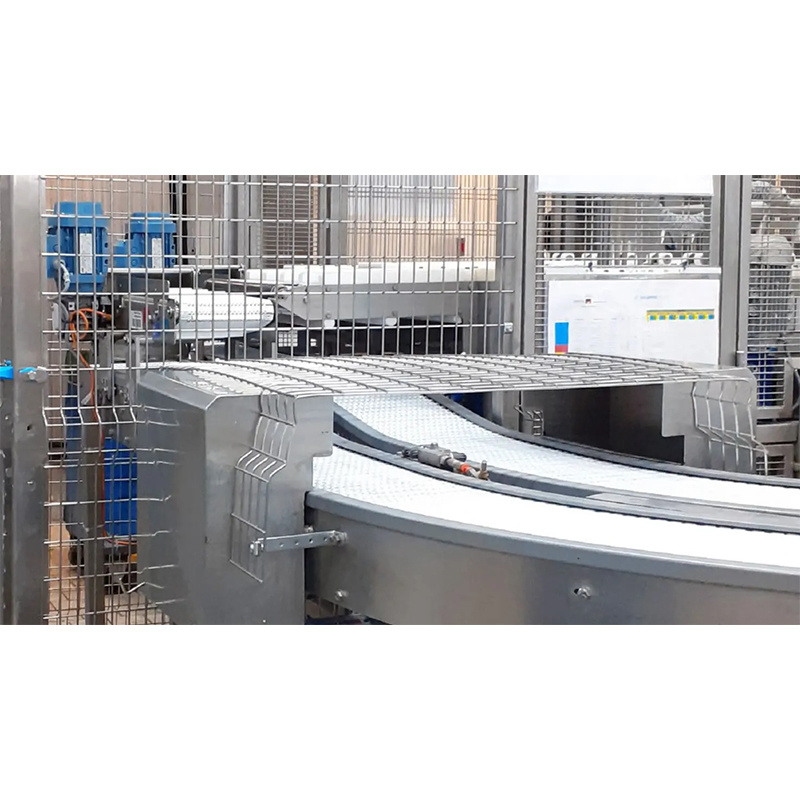
Applications of the 358 anti-climbing fence are diverse. It is widely used in correctional facilities, military bases, government buildings, airports, power plants, schools, and sports complexes. The fence’s robustness and anti-tamper design make it suitable for high-risk areas where conventional fences might fail. Beyond security, the fence also serves as a visual deterrent, signaling restricted or protected zones and discouraging unauthorized access.
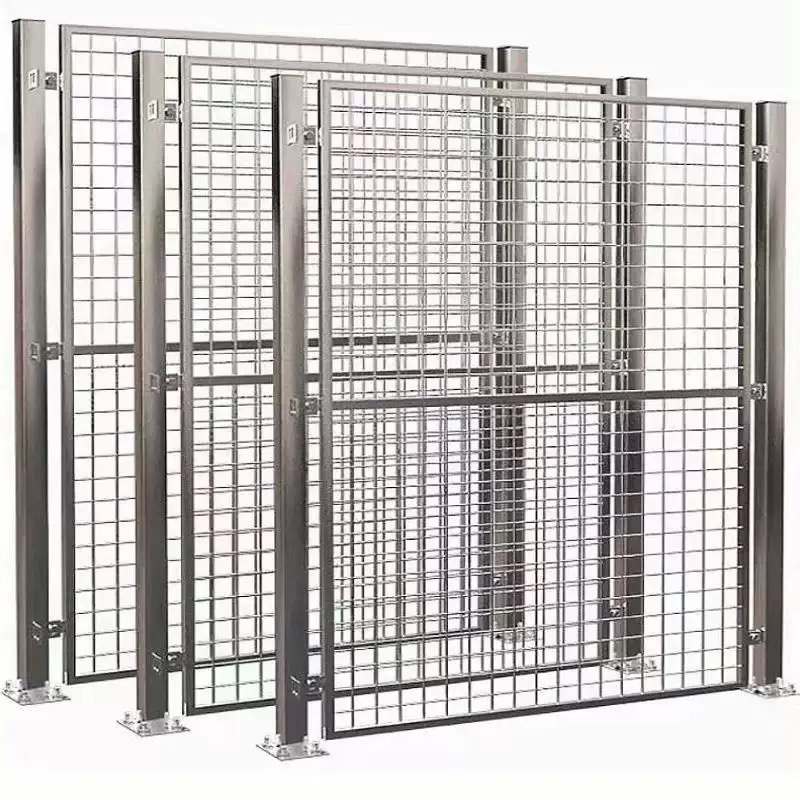
Installation of the 358 anti-climbing fence requires precise planning to ensure optimal security performance. Panels are typically fixed to sturdy posts using tamper-proof fasteners, with panel heights ranging from 2 meters to over 4 meters depending on security requirements. Additional features, such as angled extensions or anti-ram spikes, can be added to enhance perimeter defense. The modular design allows for easy integration with existing fencing systems, gates, and surveillance equipment, creating a comprehensive security solution tailored to the site.
Maintenance of the 358 fence is minimal but essential for longevity. Regular inspections help identify potential wear, corrosion, or damage from external impacts. Cleaning the fence and reapplying protective coatings when needed prolongs its lifespan and maintains its visual deterrent effect. With proper care, a 358 anti-climbing fence can provide decades of reliable security performance.
The advantages of the 358 fence are numerous. Its high strength, rigidity, and anti-climb design offer superior protection compared to traditional chain-link or panel fences. The open mesh design allows for visibility, which is critical for monitoring and surveillance while maintaining security. Its adaptability and aesthetic finish options make it suitable for both industrial and architectural applications. Additionally, the fence supports integration with modern security technologies, such as CCTV, motion sensors, and alarms, creating a layered defense system that meets contemporary security standards.
In conclusion, the 358 anti-climbing fence is a highly effective, durable, and versatile security solution suitable for a wide range of applications. Combining strong steel construction, anti-climb mesh design, and corrosion resistance, it ensures maximum protection while maintaining a professional appearance. Whether for government facilities, industrial complexes, or high-security residential areas, the 358 fence provides a reliable and long-lasting barrier against unauthorized access and intrusion.
Hot Products