
Machine Safety Fencing for Industrial Protection, Operator Safety, and Secure Automation Workspaces
Release Time:
Jul 06,2026
Machine safety fencing provides durable protective barriers for industrial equipment, ensuring operator safety, preventing accidents, and supporting secure and efficient manufacturing environments.
Machine Safety Fencing is an essential industrial safety system designed to protect operators, equipment, and production processes in automated manufacturing environments. It acts as a physical barrier between workers and hazardous machinery, helping to prevent accidents, reduce operational risks, and ensure compliance with international workplace safety standards. It is widely used in factories, production lines, warehouses, robotics systems, packaging facilities, automotive manufacturing plants, metal processing workshops, and automated assembly lines.
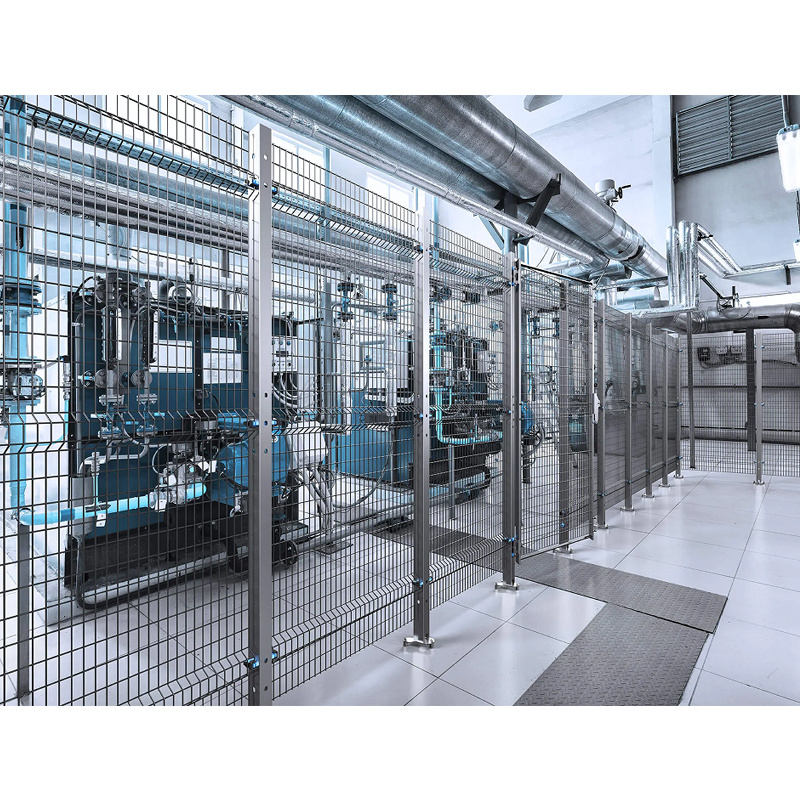
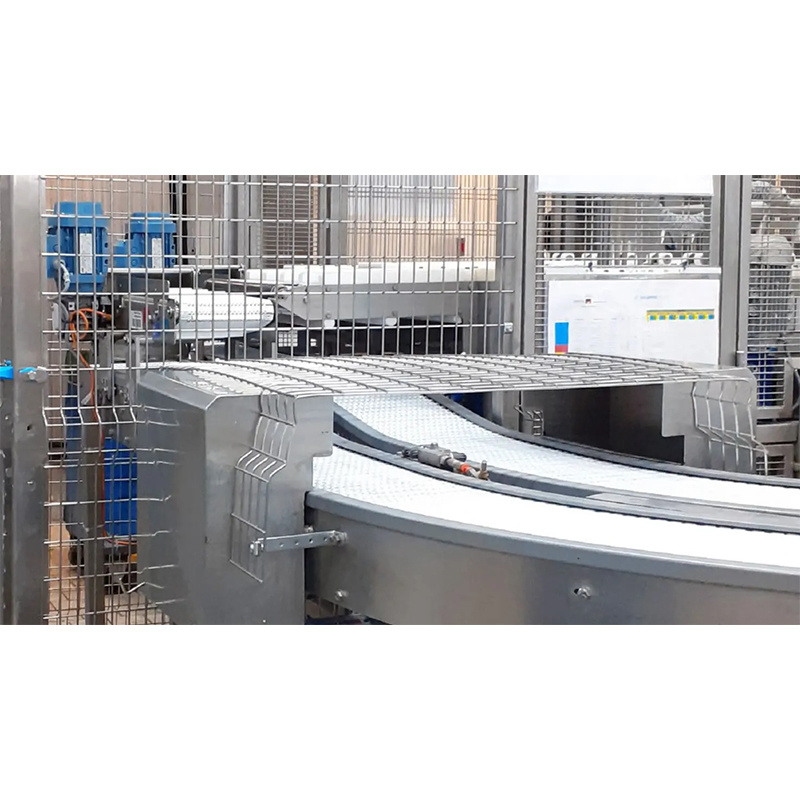
In modern industrial environments, the level of automation is continuously increasing. Machines such as robotic arms, CNC equipment, conveyor systems, and high-speed production lines operate with high efficiency but also present potential safety risks. Machine safety fencing provides a reliable solution by isolating dangerous zones and restricting unauthorized access during machine operation.
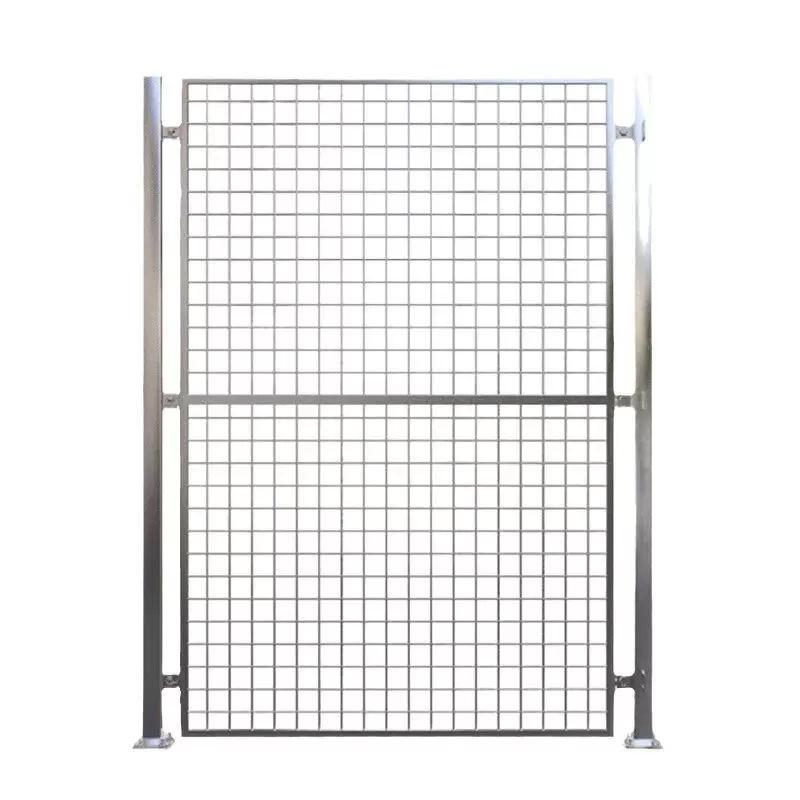
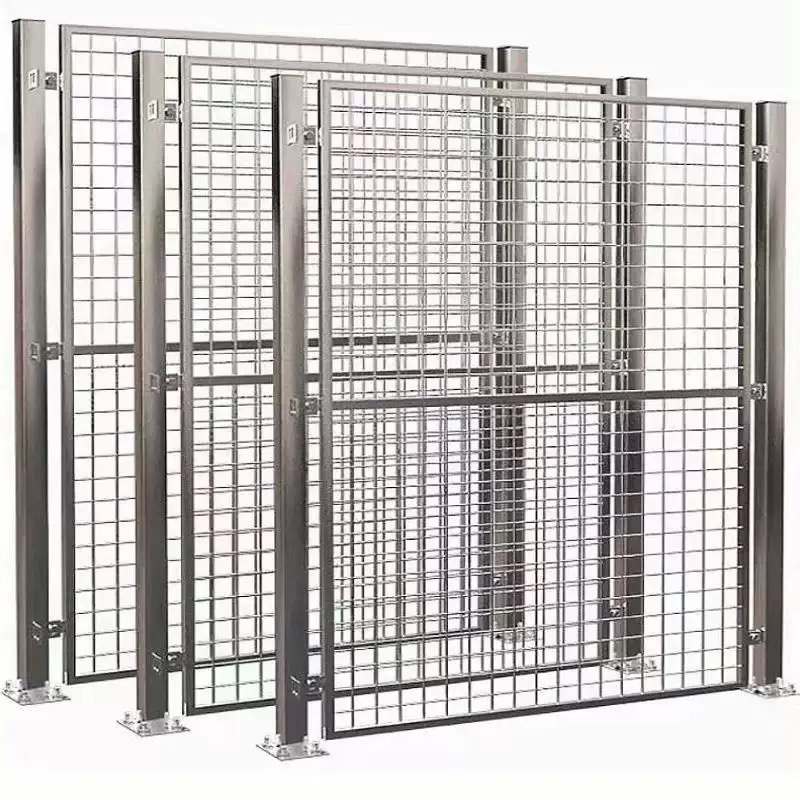
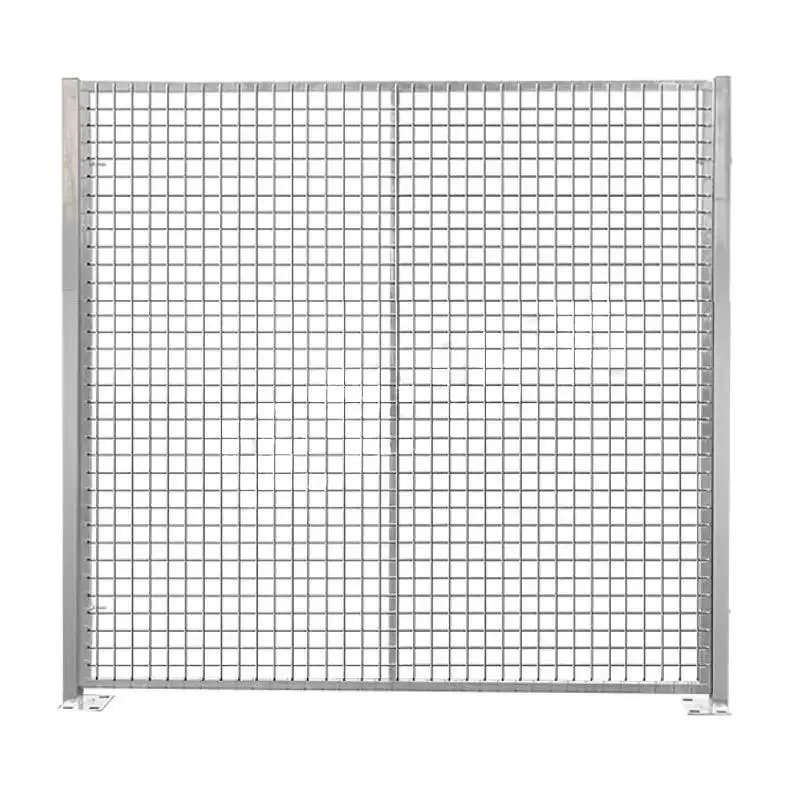
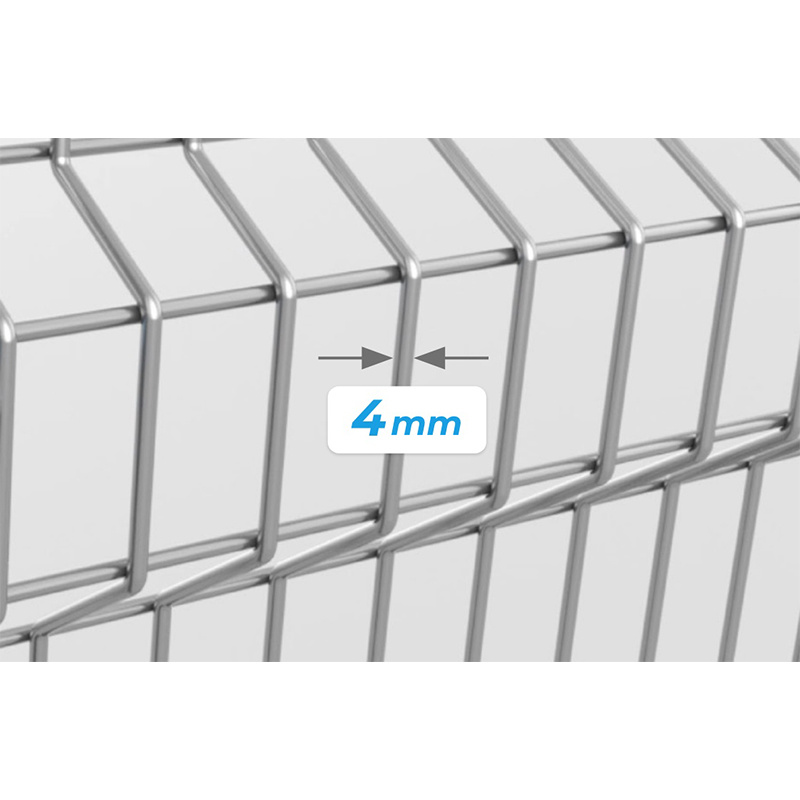
The system is typically constructed using high-strength materials such as steel, aluminum alloy, or reinforced mesh panels. Steel mesh fencing is the most common type due to its excellent balance of visibility, durability, and protection. The mesh design allows operators to visually monitor machine operation while maintaining a secure physical barrier. Aluminum profiles are also widely used for modular fencing systems due to their lightweight structure and ease of installation.
Surface treatment is an important factor in ensuring long-term performance. Most machine safety fencing systems are treated with powder coating or galvanization to enhance corrosion resistance, scratch resistance, and durability. This allows the fencing to perform reliably in harsh industrial environments, including areas with dust, oil, moisture, and chemical exposure.
Modular design is one of the key advantages of modern machine safety fencing systems. Panels, posts, doors, and accessories can be easily assembled, disassembled, and reconfigured according to production line layout changes. This flexibility makes it suitable for dynamic manufacturing environments where equipment arrangements are frequently adjusted.
Machine safety fencing systems often integrate safety access doors equipped with interlocking mechanisms. These safety doors automatically lock during machine operation and only allow access when the equipment is safely stopped. This prevents accidental entry into dangerous zones and ensures compliance with safety regulations such as ISO 14120 and ISO 13857.
In addition to physical protection, machine safety fencing also improves workflow organization. By clearly defining work zones, storage areas, and machine operation areas, it helps improve production efficiency and reduce confusion in busy industrial environments. It also supports lean manufacturing principles by optimizing space utilization and process flow.
Customization is widely available for machine safety fencing systems. Manufacturers offer OEM and ODM services, allowing clients to customize panel height, mesh size, color, door type, locking system, and overall layout design. This ensures compatibility with different machine types and factory layouts across various industries.
Installation is relatively simple due to modular components and standardized connection systems. Most fencing systems use bolt or clamp connections, reducing installation time and minimizing downtime during production line setup or modification. Maintenance is also straightforward, requiring only periodic inspection of fasteners, coatings, and door mechanisms.
Machine safety fencing plays a critical role in protecting workers from mechanical hazards such as moving parts, high-speed equipment, sharp tools, and robotic operations. It significantly reduces the risk of workplace injuries, improves compliance with occupational safety regulations, and enhances overall factory safety culture.
In robotic automation systems, safety fencing is especially important. It ensures that humans and robots operate in separate zones, preventing collisions and accidental interference. Combined with sensors, light curtains, and emergency stop systems, machine safety fencing forms part of a comprehensive industrial safety solution.
Durability and reliability are key performance requirements. High-quality machine safety fencing is designed to withstand mechanical impact, vibration, and long-term industrial use without deformation or failure. Its robust structure ensures long service life and consistent protection performance.
Overall, Machine Safety Fencing is an indispensable component of modern industrial safety systems. It provides effective physical protection, improves operational safety, enhances production organization, and supports compliance with international safety standards. As automation continues to expand, the demand for flexible, durable, and intelligent safety fencing systems will continue to grow.
Hot Products