
The Versatility and Benefits of Architectural Metal Fencing
Release Time:
Sep 12,2025
Architectural metal fencing has become an increasingly popular choice for both residential and commercial properties due to its versatility, durability, and aesthetic appeal. Unlike traditional fencing materials, such as wood or vinyl, metal fencing offers a wide array of benefits that cater to a variety of needs in landscaping, security, and design. One of the key advantages of architectural meta
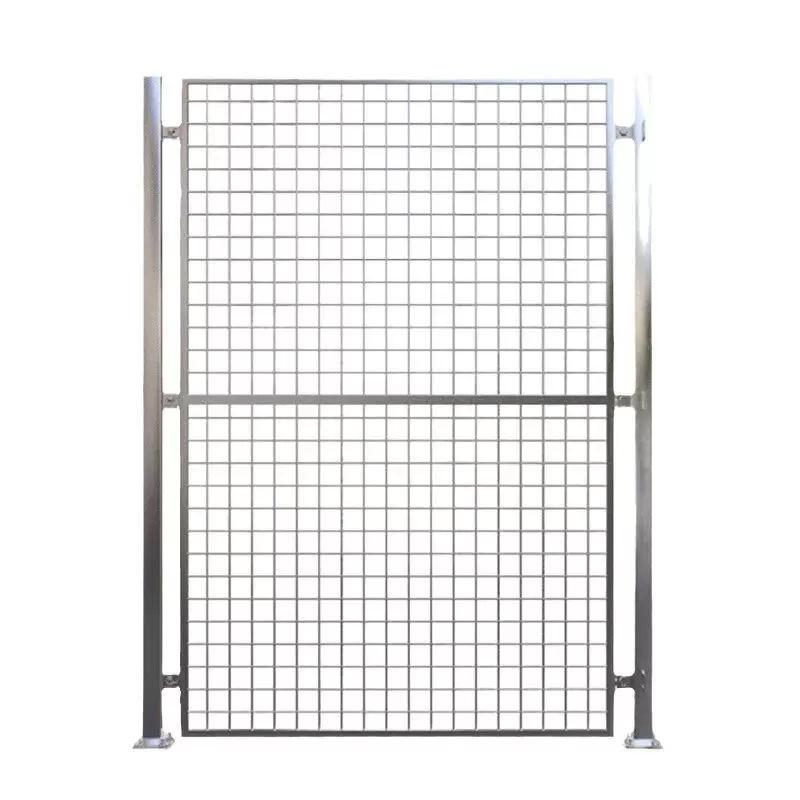
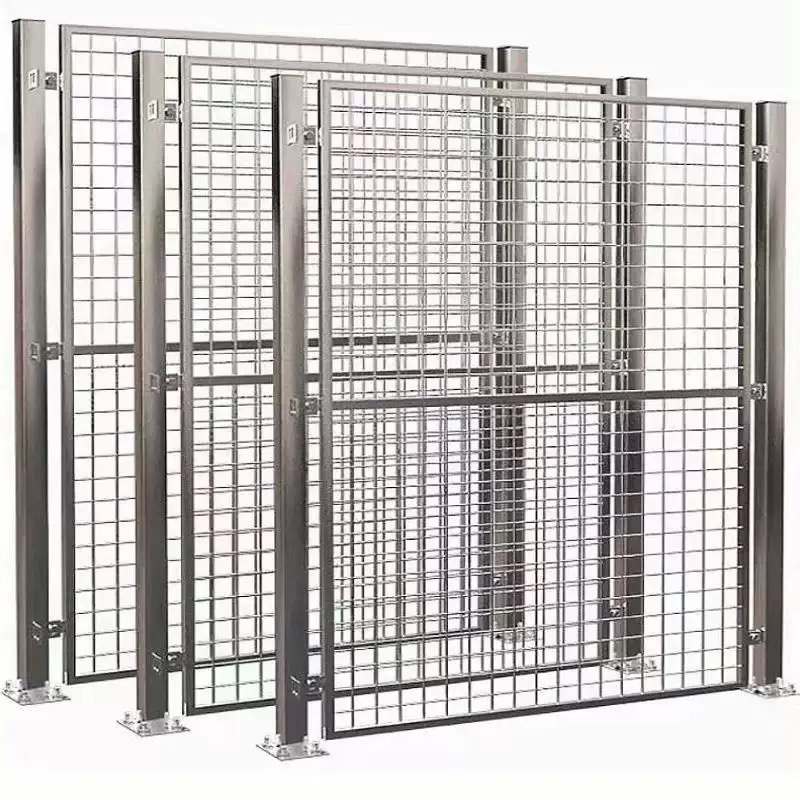
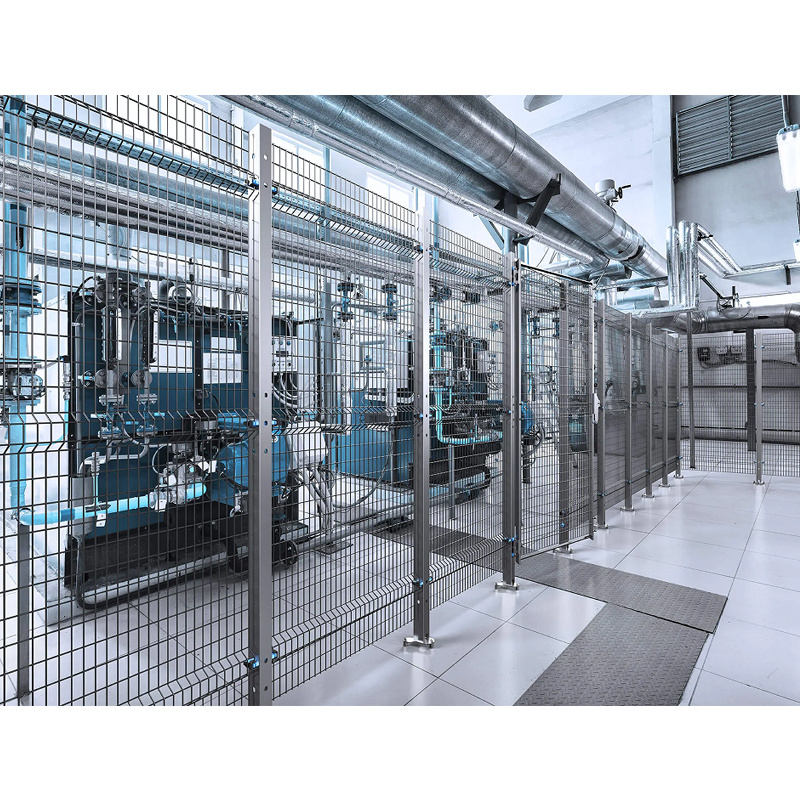
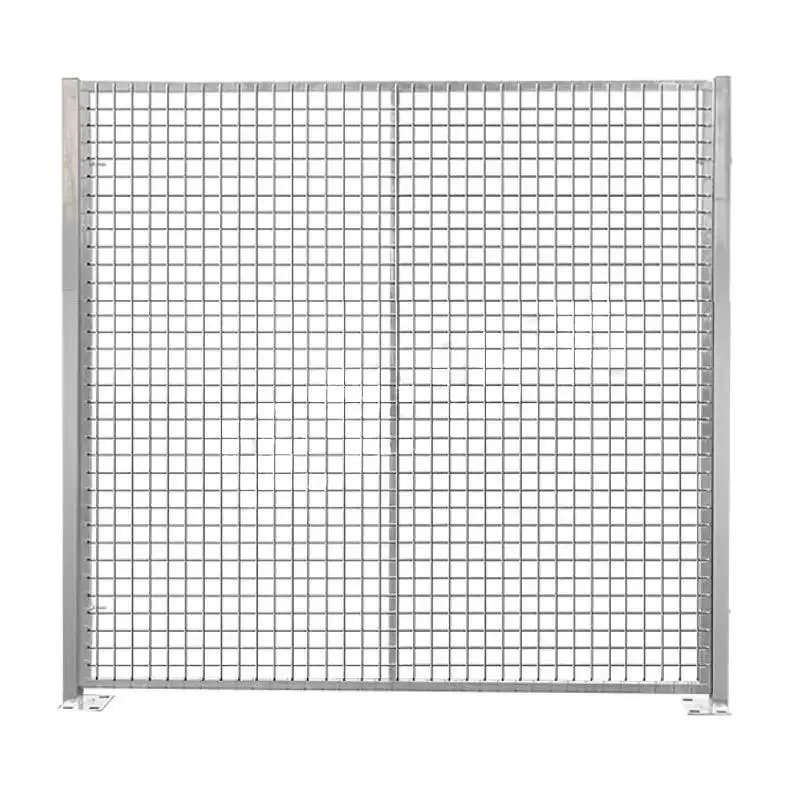
Architectural metal fencing has become an increasingly popular choice for both residential and commercial properties due to its versatility, durability, and aesthetic appeal. Unlike traditional fencing materials, such as wood or vinyl, metal fencing offers a wide array of benefits that cater to a variety of needs in landscaping, security, and design.
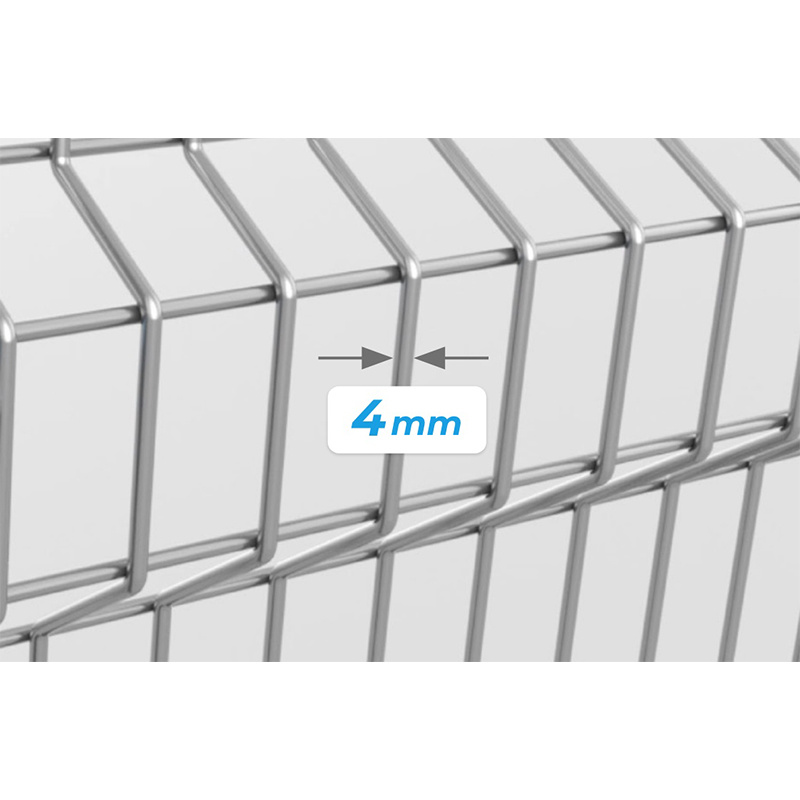
One of the key advantages of architectural metal fencing is its strength and longevity. Metal, particularly when treated for corrosion resistance, can withstand harsh weather conditions and remain intact for many years without significant maintenance. This makes it an ideal choice for areas exposed to elements, such as coastal regions where saltwater can corrode other materials. The resilience of metal also means that it can provide a higher level of security against breaches compared to more fragile materials.
Another significant benefit is the aesthetic versatility that architectural metal fencing brings. Available in various designs, colors, and finishes, metal fencing can seamlessly blend with different architectural styles, ranging from contemporary to traditional. The sleek lines and clean look of metal can enhance the visual appeal of properties while providing a modern touch. Additionally, custom designs can be created to suit the specific needs and preferences of property owners, ensuring that each installation is unique and tailored.
The manufacturing process of architectural metal fencing involves advanced metal forming techniques. Using machinery specifically designed for metal fabrication, manufacturers can create precise and intricate designs that are both functional and visually striking. Techniques such as laser cutting and CNC machining allow for intricate patterns, while automated processes ensure a high level of consistency and quality in every piece produced. This attention to detail not only enhances the aesthetic aspect of the fencing but also ensures that the finished product meets rigorous safety and durability standards.
Furthermore, metal fencing is often a more sustainable option than traditional materials. Many manufacturers are now utilizing recycled metals in their production processes, which significantly reduces the environmental impact of creating new fencing. Metal is also fully recyclable at the end of its life cycle, making it a responsible choice for eco-conscious consumers.
In conclusion, architectural metal fencing offers an ideal combination of strength, beauty, and sustainability. Its versatile applications, coupled with advanced manufacturing processes, make it a top choice for anyone looking to invest in fencing that not only serves practical purposes but also enhances the overall aesthetics of their property. Whether for securing a residential yard or creating a stylish boundary for a commercial space, architectural metal fencing proves to be a smart investment in long-lasting quality and design.
Hot Products