
Enhancing Site Safety: Why Modular Safety Railings Are Essential for Your Business
Release Time:
Sep 22,2025
Enhancing Site Safety: Why Modular Safety Railings Are Essential for Your Business Table of Contents 1. Introduction to Modular Safety Railings 2. The Importance of Site Safety 2.1 Understanding Common Site Hazards 2.2 Legal Obligations and Standards 3. What Are Modular Safety Railings? 3.1 Key Features of Modular Safety Railings 3.2 Materials Used in Modular Railings 4. Benefits of Modular Safety
Enhancing Site Safety: Why Modular Safety Railings Are Essential for Your Business
Table of Contents
1. Introduction to Modular Safety Railings
2. The Importance of Site Safety
2.1 Understanding Common Site Hazards
2.2 Legal Obligations and Standards
3. What Are Modular Safety Railings?
3.1 Key Features of Modular Safety Railings
3.2 Materials Used in Modular Railings
4. Benefits of Modular Safety Railings
4.1 Enhanced Worker Protection
4.2 Versatility and Customization
4.3 Cost-Effectiveness
5. Installation Process for Modular Safety Railings
5.1 Planning and Design
5.2 Step-by-Step Installation Guide
6. Maintaining Your Modular Safety Railings
6.1 Routine Inspection Practices
6.2 Repair and Replacement Considerations
7. Case Studies: Successful Implementation of Modular Safety Railings
8. Frequently Asked Questions
9. Conclusion
1. Introduction to Modular Safety Railings
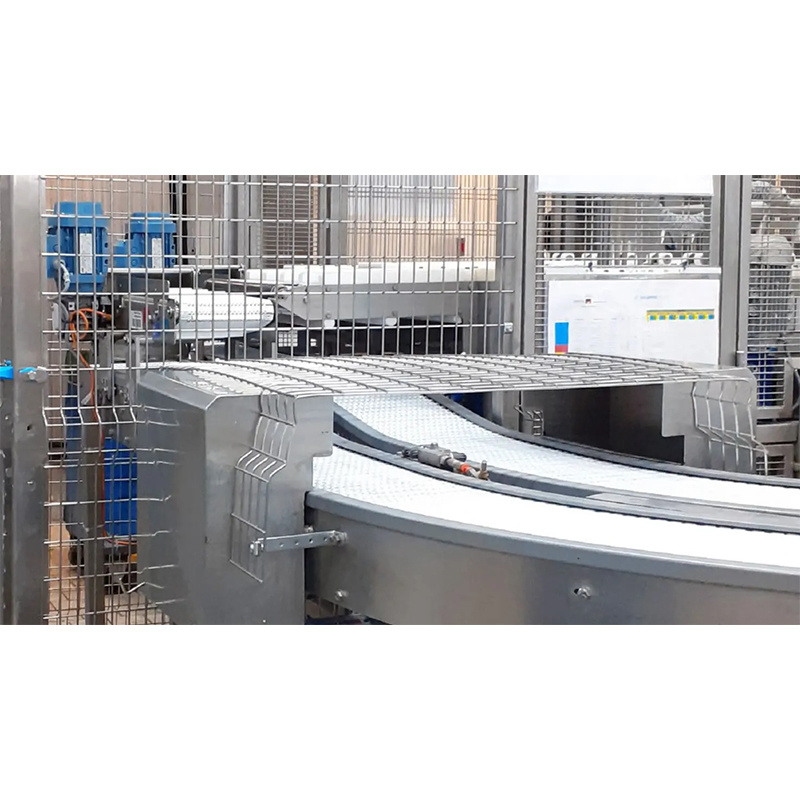
In an era where workplace safety is paramount, **modular safety railings** have emerged as a pivotal solution for various industries, including construction, manufacturing, and warehousing. These railings are designed to **provide secure barriers**, ensuring that workers remain safe from falls and accidents. By understanding the functionality and importance of these railings, businesses can take proactive measures to enhance safety and compliance.
2. The Importance of Site Safety
Site safety is not merely a suggestion; it is a necessity. The implementation of robust safety measures protects employees and reduces a business's liability and operational costs.
2.1 Understanding Common Site Hazards
In many workplaces, hazards are an everyday reality. Common site risks include:
- **Falls from heights**: One of the leading causes of workplace injuries.
- **Slips and trips**: Often exacerbated by poorly organized workspaces.
- **Moving vehicles**: In industrial settings, where machinery operates alongside workers.
Recognizing these hazards is the first step in mitigating risks.
2.2 Legal Obligations and Standards
Businesses are legally required to adhere to various **safety regulations** set forth by organizations such as OSHA (Occupational Safety and Health Administration). Failure to comply can result in severe penalties and increased insurance costs. Therefore, investing in modular safety railings is not just a smart choice; it is a legal obligation.
3. What Are Modular Safety Railings?
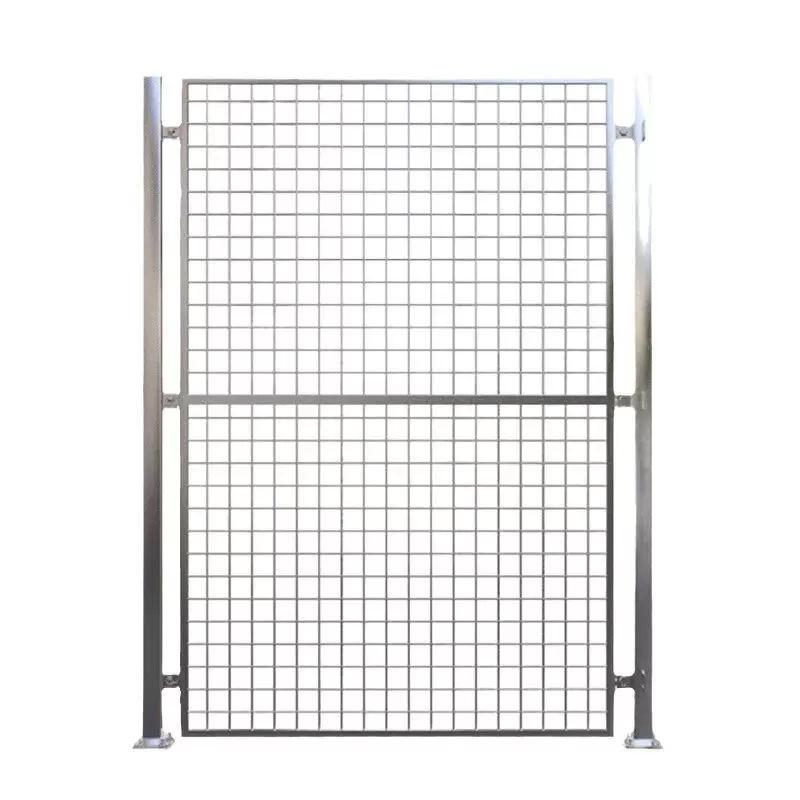
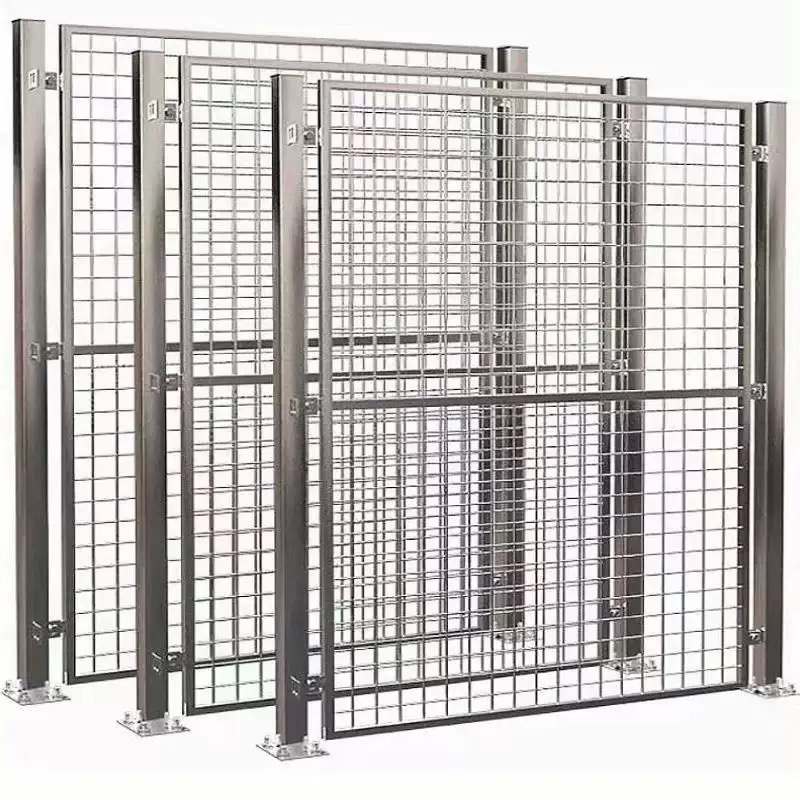
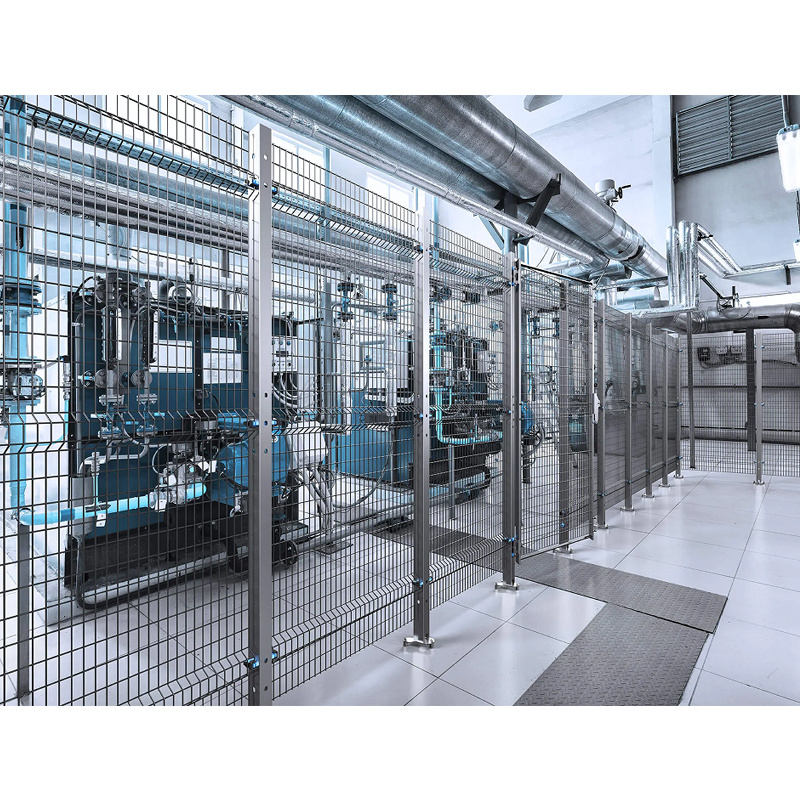
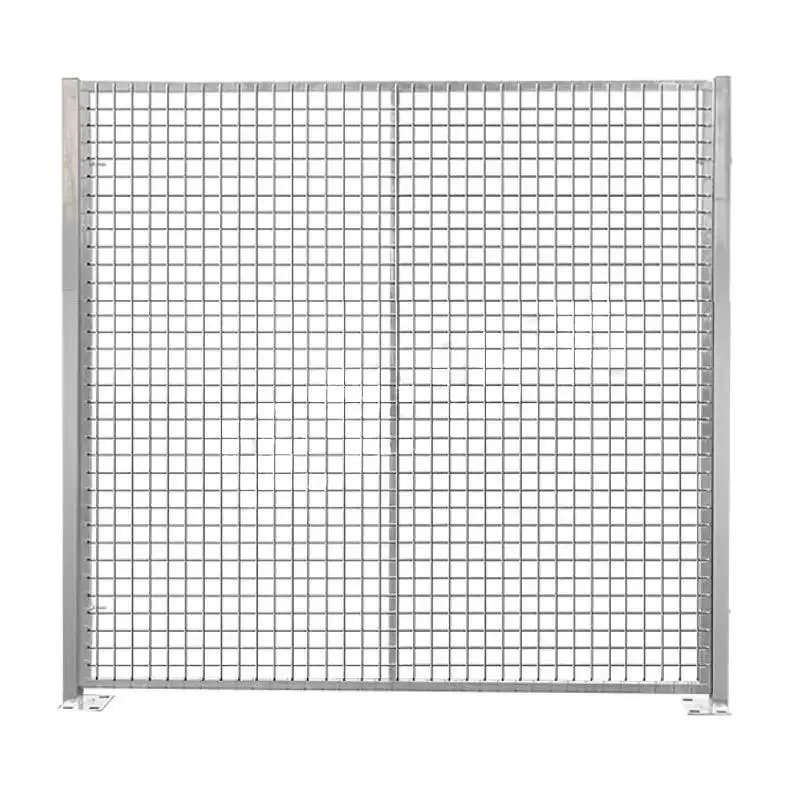
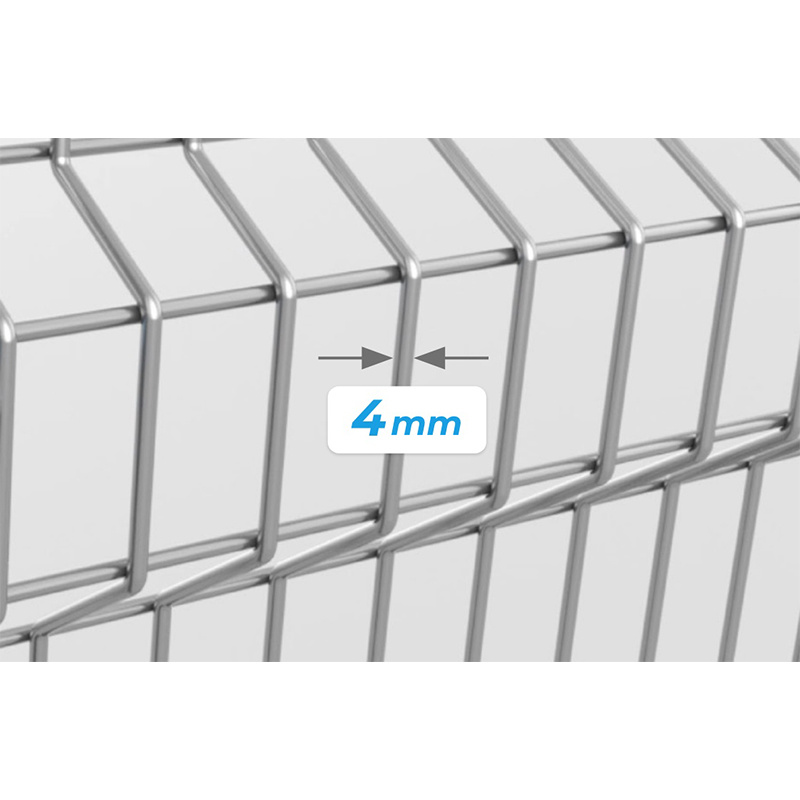
Modular safety railings are versatile, pre-fabricated systems designed to create barriers around elevated areas and potential fall risks.
3.1 Key Features of Modular Safety Railings
These railings are typically characterized by:
- **Modularity**: Easily customizable to fit various site layouts.
- **Durability**: Designed to withstand harsh weather and industrial conditions.
- **Ease of installation**: Quick to assemble with minimal tools.
3.2 Materials Used in Modular Railings
Common materials include:
- **Aluminum**: Lightweight and corrosion-resistant.
- **Steel**: Offers superior strength and durability.
- **Plastic composites**: For applications requiring lightweight yet sturdy options.
Each material has its own benefits, and choosing the right one depends on specific site conditions.
4. Benefits of Modular Safety Railings
Investing in modular safety railings provides numerous advantages that go beyond simple compliance.
4.1 Enhanced Worker Protection
By creating clear boundaries, these railings significantly reduce the risk of falls, promoting a safer working environment. Employees can carry out their tasks with increased confidence.
4.2 Versatility and Customization
The modular nature allows companies to adapt the railing systems to their unique needs. Whether you need a railing for a temporary construction site or a permanent installation in a warehouse, modular railings can be tailored accordingly.
4.3 Cost-Effectiveness
While the initial investment may seem substantial, the long-term savings on insurance premiums and reduced accident-related costs justify the expense.
5. Installation Process for Modular Safety Railings
Understanding the installation process is crucial for maximizing the effectiveness of modular safety railings.
5.1 Planning and Design
Before installation, a thorough assessment of the site is necessary. This involves:
- **Identifying high-risk areas**: Where railings are most needed.
- **Designing the layout**: Ensuring coverage without obstruction.
5.2 Step-by-Step Installation Guide
1. **Gather necessary tools**: Ensure you have all required tools and materials.
2. **Prepare the site**: Clear the installation area.
3. **Assemble the railings**: Follow the manufacturer’s guidelines.
4. **Secure the railings**: Ensure all components are fixed firmly.
5. **Final inspection**: Check for stability and compliance.
Following these steps will ensure your modular railings are installed correctly and safely.
6. Maintaining Your Modular Safety Railings
Regular maintenance of modular safety railings is critical.
6.1 Routine Inspection Practices
Conduct inspections at least monthly, focusing on:
- **Structural integrity**: Ensuring no parts are loose or damaged.
- **Visibility**: Keeping railings clearly marked and visible.
6.2 Repair and Replacement Considerations
If any component is found to be compromised, it should be repaired or replaced immediately to maintain safety standards.
7. Case Studies: Successful Implementation of Modular Safety Railings
Many businesses have successfully implemented modular safety railings, resulting in reduced accidents and improved safety records. For instance, a construction company that integrated modular railings at job sites saw a **30% decrease** in fall-related injuries within the first year.
8. Frequently Asked Questions
**Q1: What are the main benefits of modular safety railings?**
A: They enhance worker protection, offer customization options, and provide cost savings over time.
**Q2: How long does it take to install modular safety railings?**
A: Installation can typically be completed in a few hours, depending on the site layout and complexity.
**Q3: Are there specific regulations governing the use of safety railings?**
A: Yes, regulations vary by region and industry, and businesses must comply with local and federal safety standards.
**Q4: Can modular safety railings be reused at different sites?**
A: Absolutely! Their modular nature allows for easy dismantling and reinstallation at various locations.
**Q5: What materials are available for modular safety railings?**
A: Common materials include aluminum, steel, and plastic composites, each with unique benefits based on the application.
9. Conclusion
In today's fast-paced work environments, prioritizing safety is non-negotiable. **Modular safety railings** not only protect your workforce but also enhance overall site safety, contribute to regulatory compliance, and promote a culture of safety within your organization. By investing in these crucial systems, businesses create a safer work environment, ultimately leading to increased productivity and reduced liabilities. It is time to take action and enhance your site's safety with modular railings.
Hot Products