
Debating the Necessity of Fall Prevention Barriers in Various Locations: A Comprehensive Analysis
Release Time:
Oct 16,2025
Debating the Necessity of Fall Prevention Barriers in Various Locations In today’s world, safety in public and private spaces has become a paramount concern. One of the critical components in ensuring safety is the implementation of fall prevention barriers. This article aims to provide an in-depth analysis of the necessity of fall prevention barriers in various locations, examining their effectiv
Debating the Necessity of Fall Prevention Barriers in Various Locations
In today’s world, safety in public and private spaces has become a paramount concern. One of the critical components in ensuring safety is the implementation of fall prevention barriers. This article aims to provide an in-depth analysis of the necessity of fall prevention barriers in various locations, examining their effectiveness, design considerations, and overall impact on safety. We'll explore different environments where these barriers are employed, discussing their pros and cons, and addressing common concerns surrounding them.
Table of Contents
- 1. Introduction to Fall Prevention Barriers
- 2. The Importance of Fall Prevention Barriers
- 3. Design Considerations for Effective Barriers
- 4. Key Locations Where Barriers Are Necessary
- 4.1 Public Areas: Parks and Recreation Spaces
- 4.2 Industrial Settings: Factories and Warehouses
- 4.3 Residential Properties: Balconies and Stairwells
- 4.4 Construction Sites: Safety Measures in Progress
- 5. Regulatory Standards Governing Fall Prevention Barriers
- 6. Assessing the Pros and Cons of Barriers
- 7. Alternative Solutions to Fall Prevention
- 8. Conclusion: Striking a Balance between Safety and Aesthetics
- 9. Frequently Asked Questions
1. Introduction to Fall Prevention Barriers
Fall prevention barriers are safety installations designed to prevent individuals from accidentally falling from elevated surfaces. These barriers can take various forms, including railings, guardrails, and protective walls, and are made from a range of materials such as metal, wood, or plastic. With the rise in safety awareness and regulations, the installation of these barriers has become common practice in numerous settings.
2. The Importance of Fall Prevention Barriers
Understanding the importance of fall prevention barriers extends beyond mere compliance with safety regulations. These barriers serve as vital protective measures that significantly reduce the risk of accidents, injuries, and fatalities. They are particularly critical in areas where individuals may be at risk of falling from heights, such as balconies, rooftops, stairs, and loading docks.
Statistically, falls are one of the leading causes of injuries across various demographics. The implementation of fall prevention barriers can lead to a substantial decrease in these incidents, protecting not just individuals but also reducing liability for property owners and employers. Overall, the presence of these barriers enhances the overall safety of environments, providing peace of mind to both users and property managers.
3. Design Considerations for Effective Barriers
The effectiveness of fall prevention barriers is heavily influenced by their design. Several key considerations should be taken into account during the design phase:
3.1 Height and Strength
Barriers must be of adequate height to prevent individuals from climbing over or falling over them. Additionally, they should be constructed from materials strong enough to withstand forces from falls or potential impacts.
3.2 Visibility
High visibility is crucial, especially in low-light conditions or complex environments. Barriers should be designed to be easily noticeable to prevent accidents and ensure that individuals are aware of their presence.
3.3 Accessibility
Design should also consider accessibility, ensuring that barriers do not impede movement for individuals with disabilities or those using mobility aids. Compliance with accessibility standards is essential.
4. Key Locations Where Barriers Are Necessary
4.1 Public Areas: Parks and Recreation Spaces
In public parks and recreational areas, fall prevention barriers are often implemented around elevated walkways, bleachers, and playgrounds. These barriers serve to protect children and adults alike from accidental falls while enjoying outdoor activities.
4.2 Industrial Settings: Factories and Warehouses
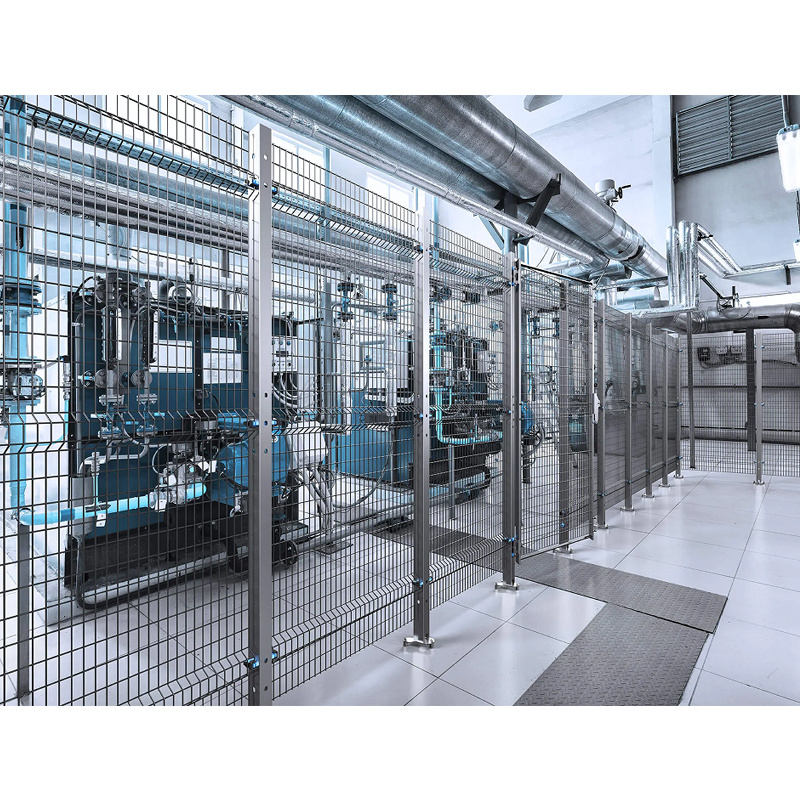
In industrial environments, fall prevention barriers are essential around loading docks and elevated platforms. These barriers not only protect workers but also help maintain the flow of operations, preventing costly accidents that can lead to downtime.
4.3 Residential Properties: Balconies and Stairwells
For residential properties, fall prevention barriers are especially crucial on balconies, decks, and stairwells. Homeowners must adhere to local building codes that dictate the height and strength of railings to ensure safety for family members and guests.
4.4 Construction Sites: Safety Measures in Progress
Construction sites often present unique fall hazards due to their transient nature. Temporary fall prevention barriers are essential to protect workers from falls over edges and into open excavations, highlighting their importance in maintaining a safe work environment.
5. Regulatory Standards Governing Fall Prevention Barriers
Regulatory standards for fall prevention barriers vary by region and type of construction. Building codes and safety regulations typically outline specific requirements regarding the height, materials, and installation practices for barriers in various settings. Familiarity with these regulations is essential for architects, builders, and property owners to ensure compliance and safety.
For example, the Occupational Safety and Health Administration (OSHA) in the United States has defined standards for fall protection in the workplace, including guidelines for guardrails and other protective measures. Similarly, local building codes may specify requirements for residential barriers, particularly for new constructions.
6. Assessing the Pros and Cons of Barriers
While fall prevention barriers provide significant benefits, they also come with challenges. Understanding these pros and cons can help stakeholders make informed decisions about their implementation.
6.1 Pros
- Enhanced Safety: The primary benefit is the significant reduction in fall-related injuries and fatalities.
- Liability Reduction: Proper installation can help mitigate legal liabilities for property owners.
- Peace of Mind: Barriers provide reassurance to users that safety measures are in place.
6.2 Cons
- Cost: Implementation and maintenance of barriers can be costly.
- Aesthetic Concerns: Barriers may detract from the visual appeal of a location.
- Accessibility Issues: If not designed properly, barriers may hinder access for some individuals.
7. Alternative Solutions to Fall Prevention
In addition to traditional barriers, several alternative solutions can enhance safety in environments prone to falls. Some of these solutions include:
7.1 Safety Nets
Safety nets can act as a secondary measure, capturing individuals who may fall. They are often used in construction sites or near elevated surfaces where traditional barriers may not be feasible.
7.2 Warning Signs
Strategically placed warning signs can alert individuals to the presence of fall hazards, acting as a supplementary measure alongside barriers.
7.3 Training and Awareness Programs
Educational programs can raise awareness of fall risks and promote safe practices among employees, patrons, and residents. Training can significantly reduce the risk of falls in high-risk areas.
8. Conclusion: Striking a Balance between Safety and Aesthetics
The debate surrounding the necessity of fall prevention barriers is multifaceted, involving considerations of safety, design, and regulatory compliance. While these barriers play a crucial role in preventing accidents and injuries, it is essential to balance functionality with aesthetics and accessibility. By understanding the importance of these safety measures and implementing them thoughtfully, we can create safer environments without compromising on design or usability. Engaging in continuous dialogue about fall prevention strategies ensures that we adapt to changing needs and maintain high safety standards across all locations.
9. Frequently Asked Questions
What are fall prevention barriers?
Fall prevention barriers are safety installations designed to prevent individuals from falling from elevated surfaces, such as railings and guardrails.
Where are fall prevention barriers commonly used?
They are commonly used in public areas, industrial settings, residential properties, and construction sites.
What are the regulatory requirements for fall prevention barriers?
Regulatory requirements vary by region and type of construction, often outlined in local building codes and safety regulations.
Can fall prevention barriers be visually appealing?
Yes, barriers can be designed to enhance the aesthetic appeal of a location while providing safety, ensuring that they do not detract from the overall look and feel.
Are there alternatives to traditional fall prevention barriers?
Yes, alternatives include safety nets, warning signs, and training programs aimed at raising awareness of fall risks.
Hot Products