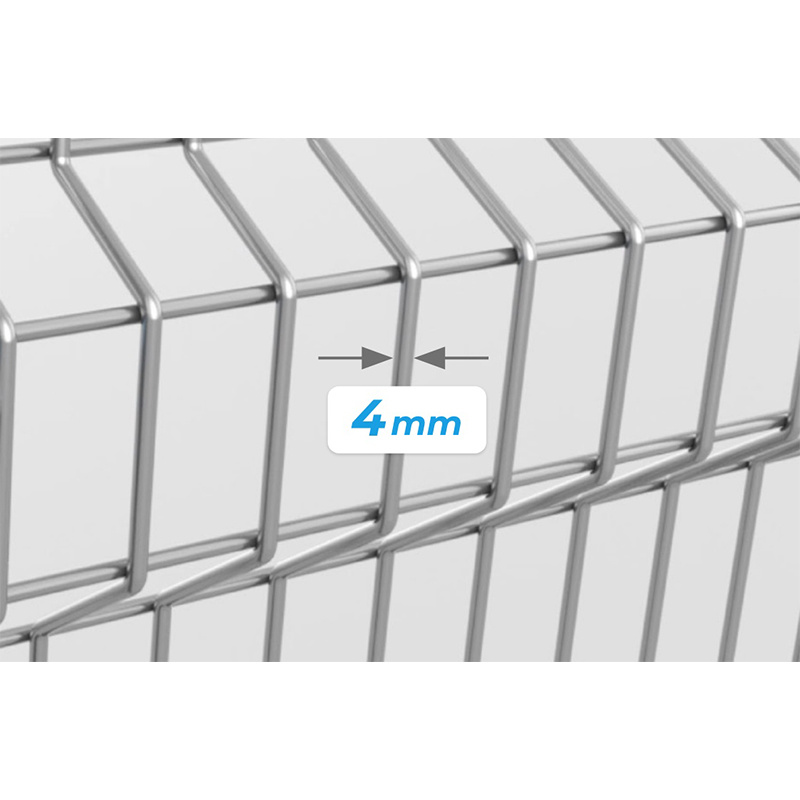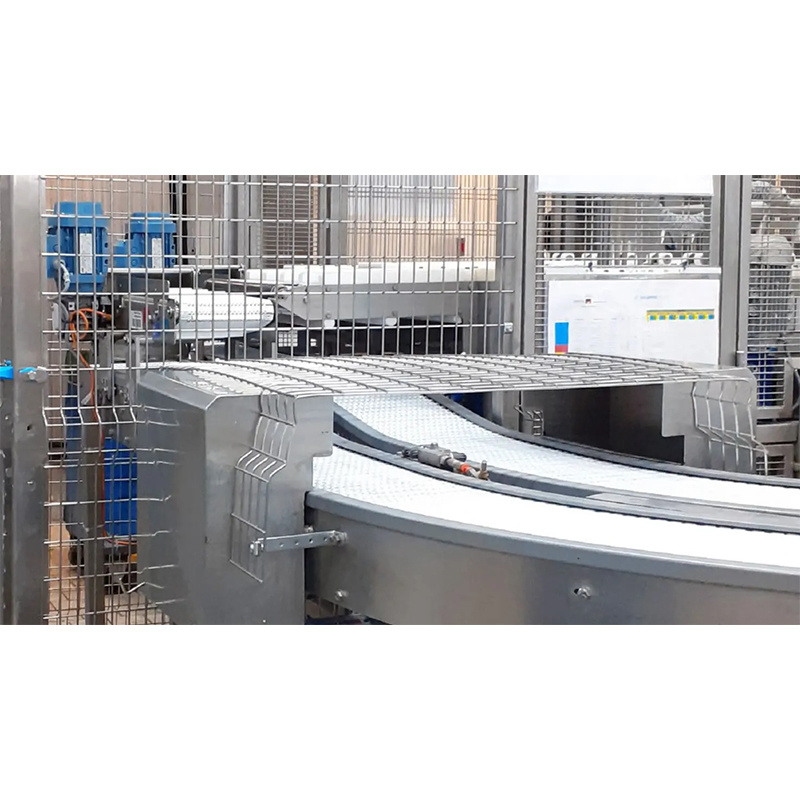

The Importance of Modular Safety Railings in Traffic Safety Equipment
Release Time:
Oct 22,2025
Modular safety railings are an essential component in the realm of traffic safety equipment, particularly in protecting both pedestrians and vehicles in various settings. These railings are designed to provide a flexible and effective solution for safety concerns across roadways, construction sites, and other high-risk areas where the potential for accidents is elevated. One of the primary advanta
Modular safety railings are an essential component in the realm of traffic safety equipment, particularly in protecting both pedestrians and vehicles in various settings. These railings are designed to provide a flexible and effective solution for safety concerns across roadways, construction sites, and other high-risk areas where the potential for accidents is elevated.
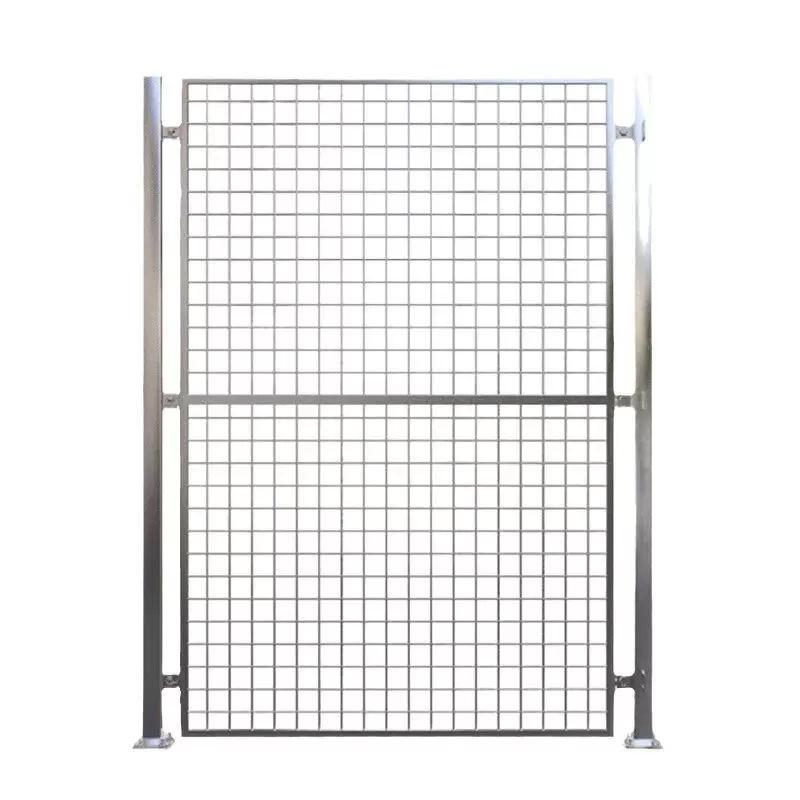
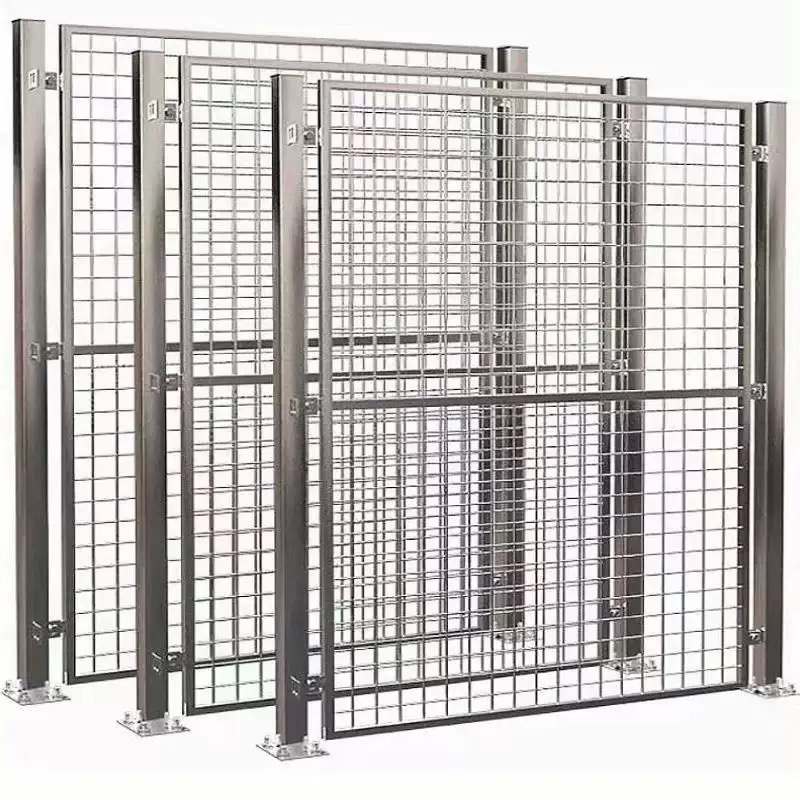
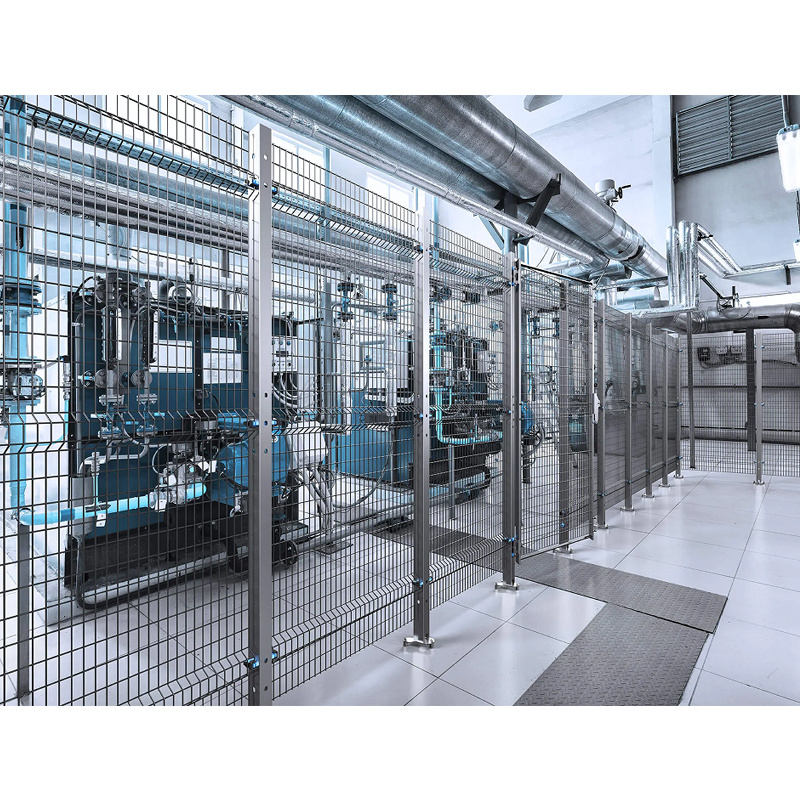
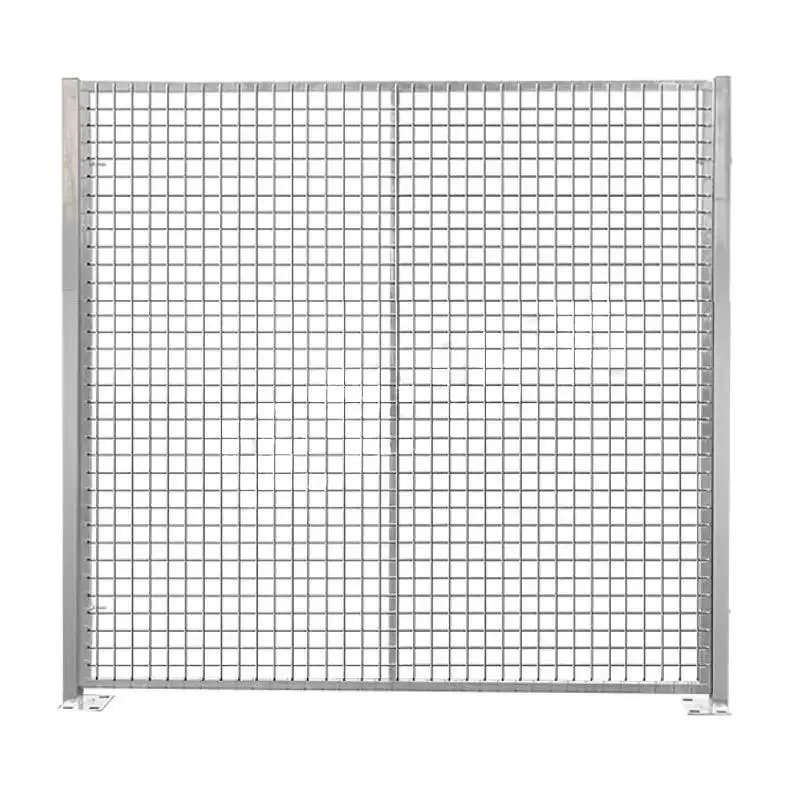
One of the primary advantages of modular safety railings is their adaptability. Unlike traditional railings, which can be difficult to install or require extensive modifications to existing infrastructure, modular systems can be easily customized and configured to suit the specific needs of a site. This versatility allows for quick deployment and reconfiguration as project requirements change or evolve. For instance, in construction zones, where traffic patterns may shift frequently, modular railings can be moved and adjusted to ensure ongoing safety without significant downtime or expense.
Moreover, modular safety railings are typically designed with materials that enhance durability and weather resistance, ensuring they can withstand harsh environmental conditions. This longevity not only contributes to reduced maintenance costs but also guarantees long-term safety for road users. Additionally, many modular railing systems incorporate reflective or brightly colored elements, increasing visibility and awareness for drivers, especially in low-light conditions.
Another critical aspect of modular safety railings is their compliance with safety standards and regulations. Different regions may have specific requirements for safety barriers, particularly in areas with high foot traffic or near roadways. Modular systems can be engineered to meet these regulations, offering peace of mind to project managers and stakeholders. By adhering to safety guidelines, these railings help avert accidents that could lead to injuries or fatalities.
In terms of installation, modular safety railings are designed for efficiency. Many systems come with straightforward assembly instructions, making it possible for teams to install them quickly without specialized equipment. This ease of installation is particularly beneficial in emergency situations where immediate safety measures are necessary.
Furthermore, the use of modular safety railings can positively impact the overall design of a space. They can be integrated into various aesthetic and functional designs, enhancing not just safety but also the visual appeal of the environment. This is particularly relevant in urban planning, where safety measures must blend seamlessly with the surrounding architecture.
In conclusion, the significance of modular safety railings in traffic safety equipment cannot be understated. Their adaptability, durability, compliance with safety standards, ease of installation, and potential for aesthetic integration make them an invaluable asset in promoting safety in diverse environments. By investing in modular safety railings, organizations can enhance protection for pedestrians and drivers alike, ultimately contributing to safer transportation infrastructure.
Hot Products