
Understanding Temporary Safety Fencing: A Crucial Element for Event Management
Release Time:
Oct 26,2025
Temporary safety fencing serves as a vital component in the realm of event management, particularly in contexts where public safety and order are paramount. Designed to create boundaries, this type of fencing is commonly used in a variety of settings, including festivals, construction sites, sporting events, and public gatherings. Its primary purpose is to safeguard attendees and participants whil
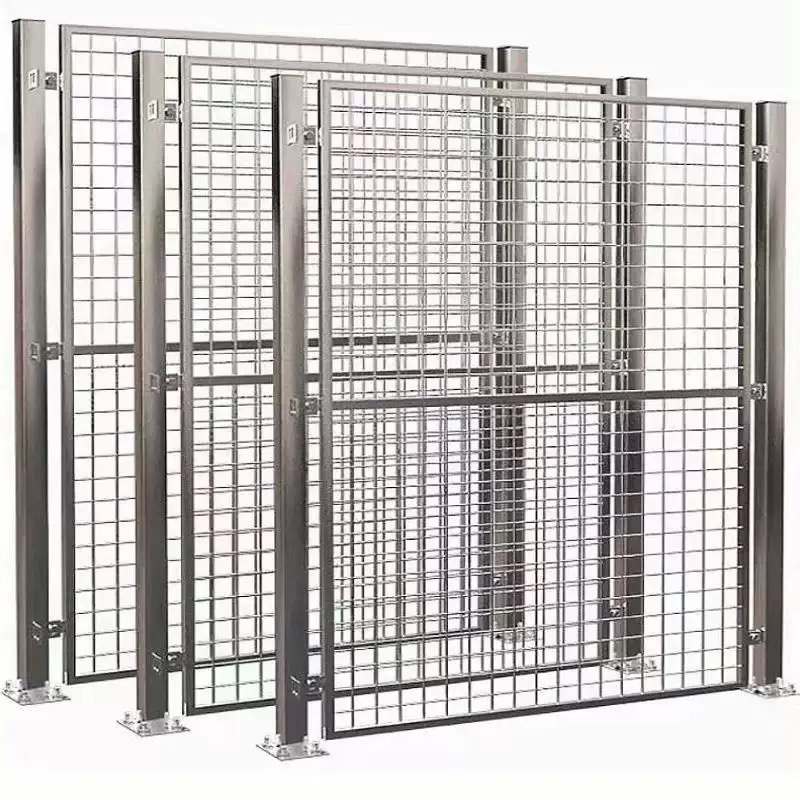
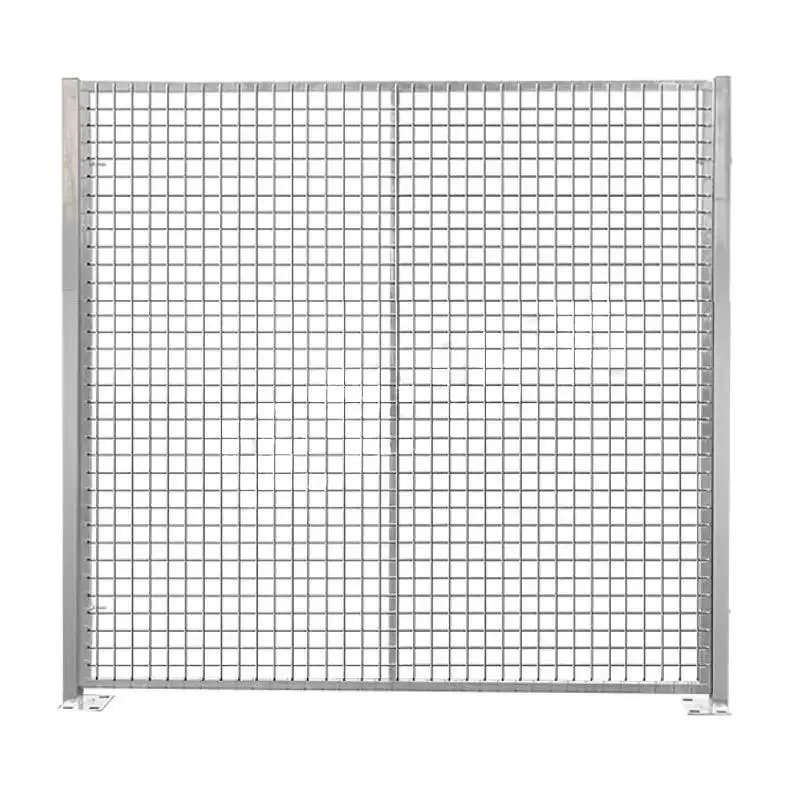
Temporary safety fencing serves as a vital component in the realm of event management, particularly in contexts where public safety and order are paramount. Designed to create boundaries, this type of fencing is commonly used in a variety of settings, including festivals, construction sites, sporting events, and public gatherings. Its primary purpose is to safeguard attendees and participants while also directing foot traffic effectively.
One of the leading advantages of temporary safety fencing is its ease of installation and removal. Unlike permanent fencing solutions, which can be cost-prohibitive and time-consuming to set up, temporary fencing can be erected quickly, making it an ideal choice for events with tight timelines. This adaptability allows event organizers to respond flexibly to changing needs, such as altering crowd control measures based on attendance or specific event requirements.
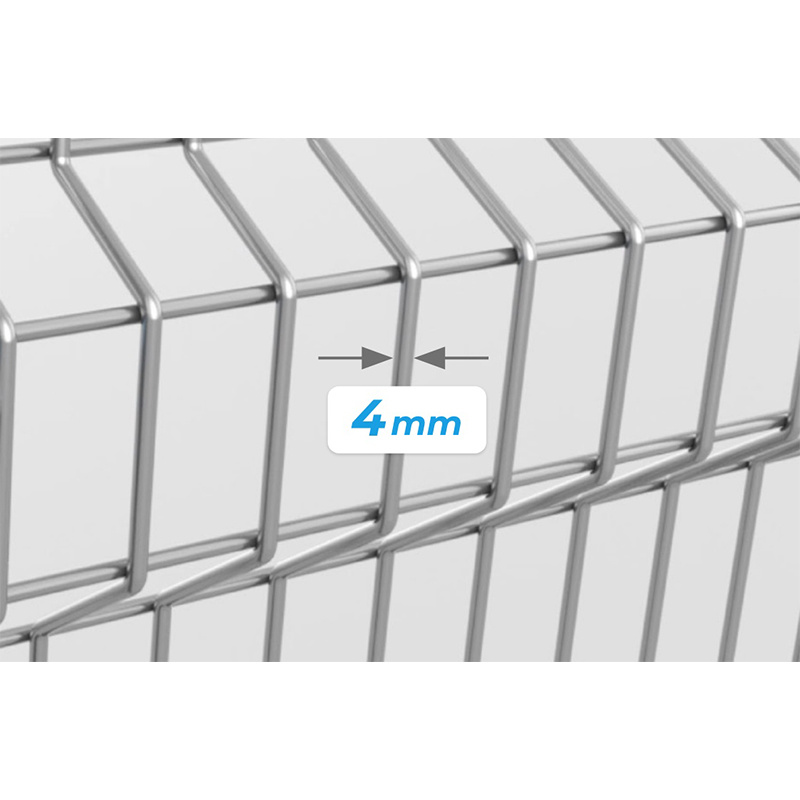
Moreover, the versatility of temporary safety fencing extends to its materials and designs. Commonly made from durable yet lightweight materials, such as plastic or metal, these fences can be tailored to suit the aesthetic and functional needs of an event. For instance, some temporary fences are designed to be visually appealing, blending seamlessly with the event's theme, while others prioritize sturdiness to withstand potential disturbances, ensuring that safety remains uncompromised.
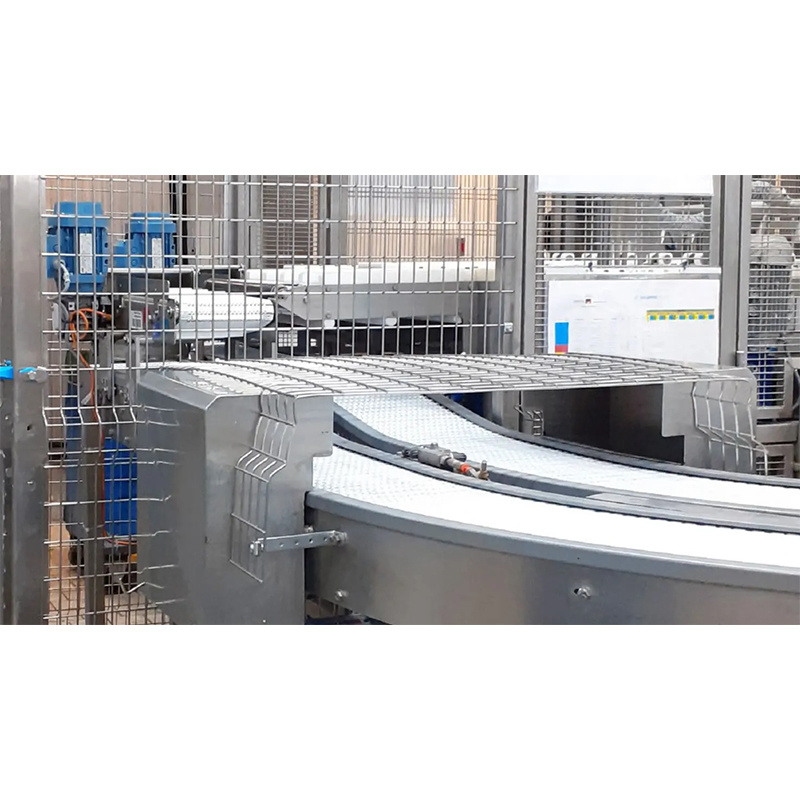
In addition to offering physical barriers, temporary safety fencing also plays a crucial role in risk management. By establishing clear boundaries, it minimizes the risk of accidents and ensures that attendees remain within designated areas. This is particularly important in high-traffic zones or near hazardous areas, such as construction sites or stages. Furthermore, the presence of fencing can serve as a psychological deterrent, signaling to both attendees and potential intruders that certain areas are off-limits, thereby enhancing overall security.
Another vital aspect of temporary safety fencing is its compliance with local regulations and safety standards. Depending on the nature of the event and its location, specific guidelines may dictate the type and height of fencing required. Event organizers must familiarize themselves with these regulations to ensure that their safety measures are not only effective but also lawful.
In conclusion, temporary safety fencing is an essential tool in the arsenal of event management, providing security, order, and compliance. Its ease of installation, adaptability, and ability to enhance safety make it a preferred choice for various events. Understanding the importance and functionality of temporary safety fencing can empower event planners and organizers to create safe and enjoyable experiences for all participants.
Hot Products