
Why Every Business Needs Industrial Compartment Barriers for Traffic Control
Release Time:
Nov 05,2025
Why Every Business Needs Industrial Compartment Barriers for Traffic Control Introduction to Industrial Compartment Barriers In today’s fast-paced industrial environments, ensuring safety and efficiency is paramount. **Industrial compartment barriers** play a crucial role in controlling traffic flow and protecting both employees and equipment. These barriers are designed to separate pedestrian pat
Why Every Business Needs Industrial Compartment Barriers for Traffic Control
Introduction to Industrial Compartment Barriers
In today’s fast-paced industrial environments, ensuring safety and efficiency is paramount. **Industrial compartment barriers** play a crucial role in controlling traffic flow and protecting both employees and equipment. These barriers are designed to separate pedestrian pathways from vehicular routes, creating a safer workspace. In this article, we will delve into the myriad reasons why every business should consider investing in these essential safety measures.
The Importance of Traffic Control in Industrial Settings
Traffic control is not merely about maintaining order; it's about safeguarding lives and property. In industrial settings, where heavy machinery and vehicles operate in close proximity to pedestrians, the risk of accidents increases significantly. The implementation of structured traffic control measures, including compartment barriers, reduces the likelihood of collisions and enhances operational productivity.
Understanding Industrial Compartment Barriers
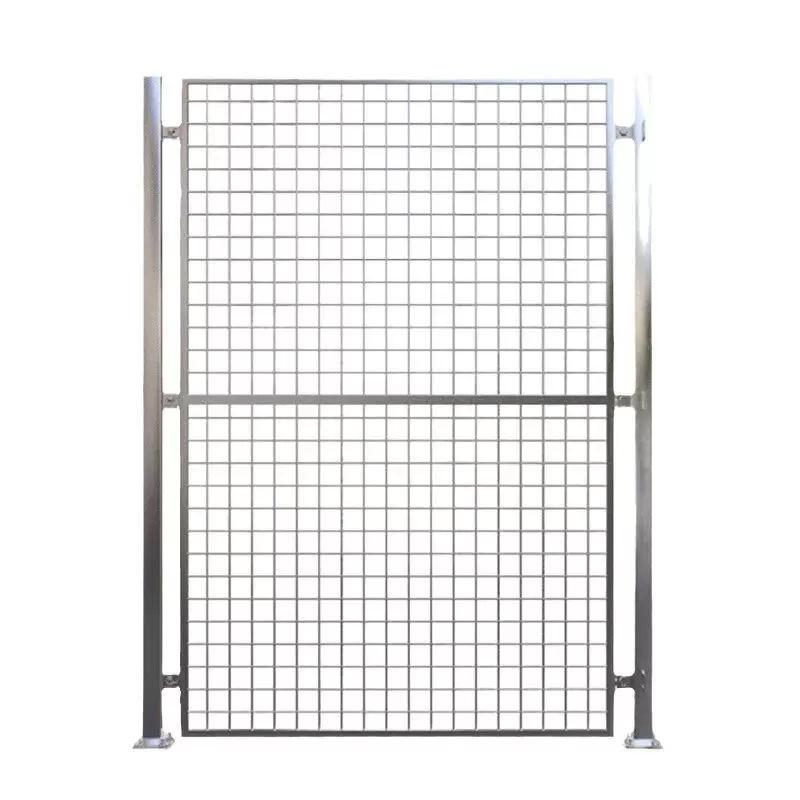
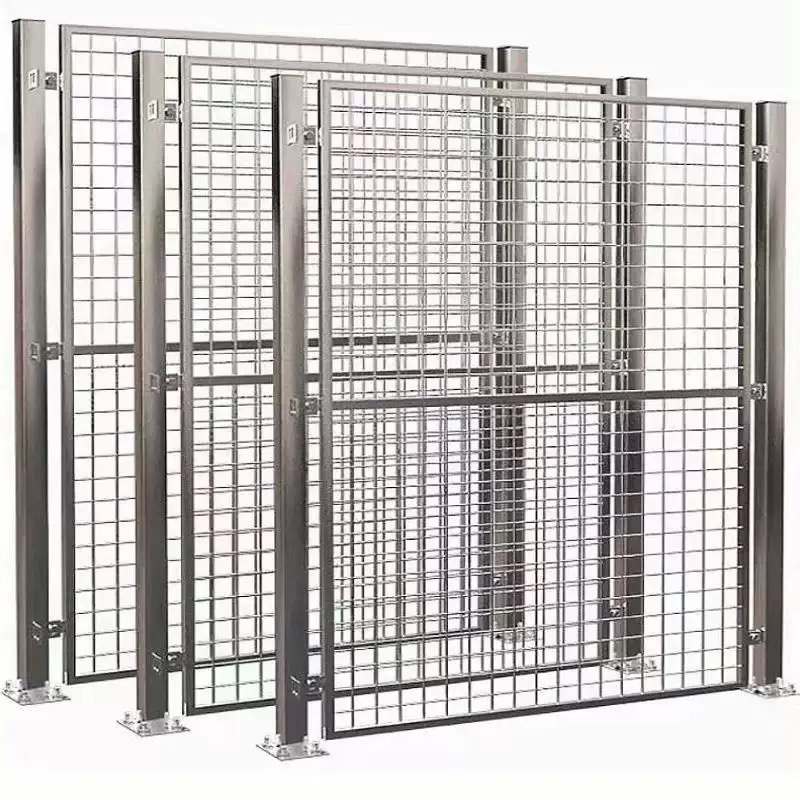
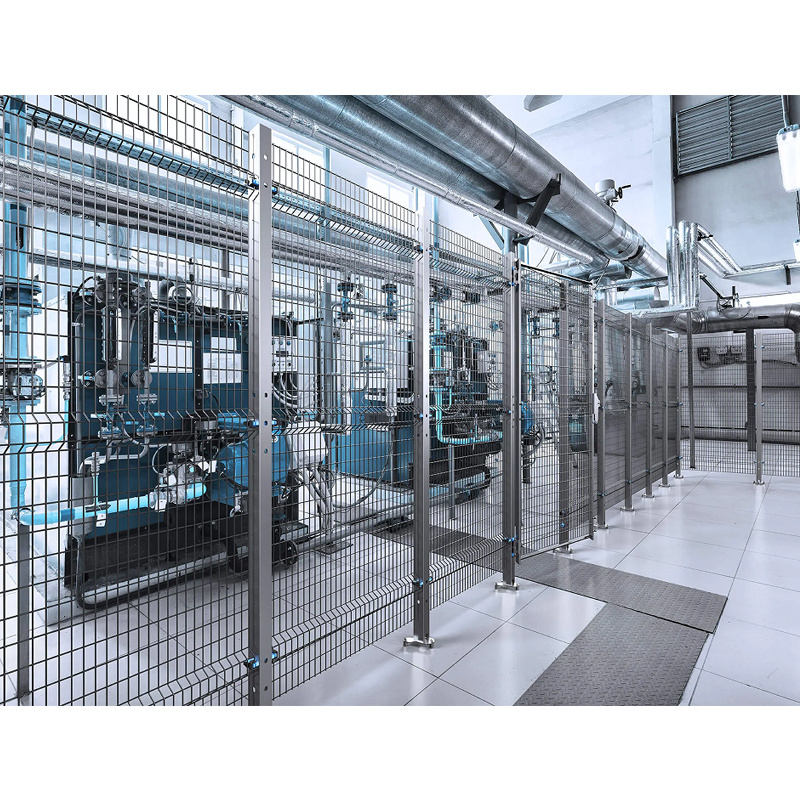
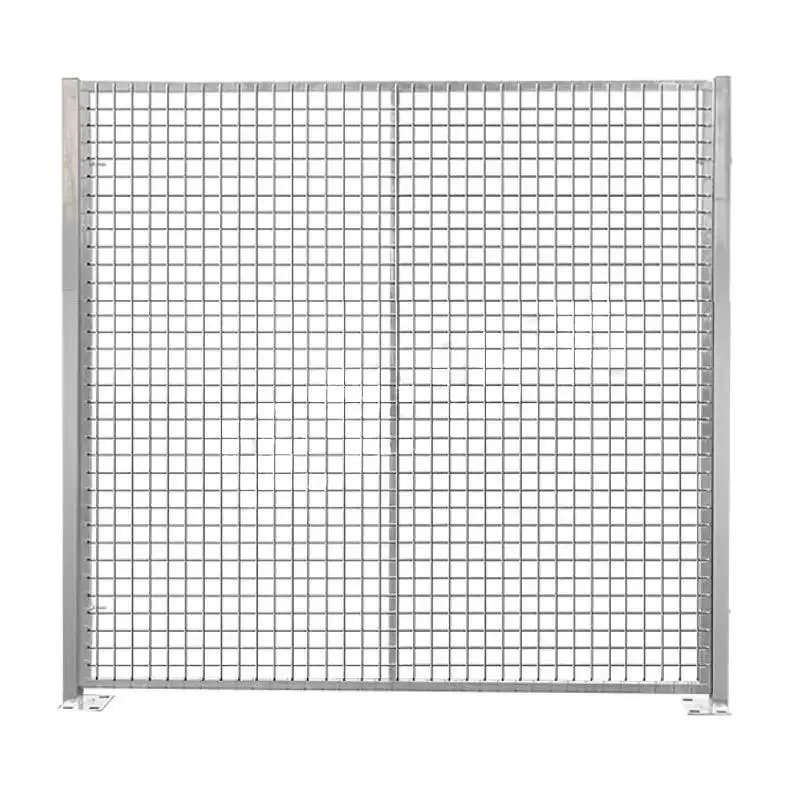
Industrial compartment barriers are physical structures that delineate areas within a facility, guiding traffic and preventing unauthorized access. They come in various forms, including:
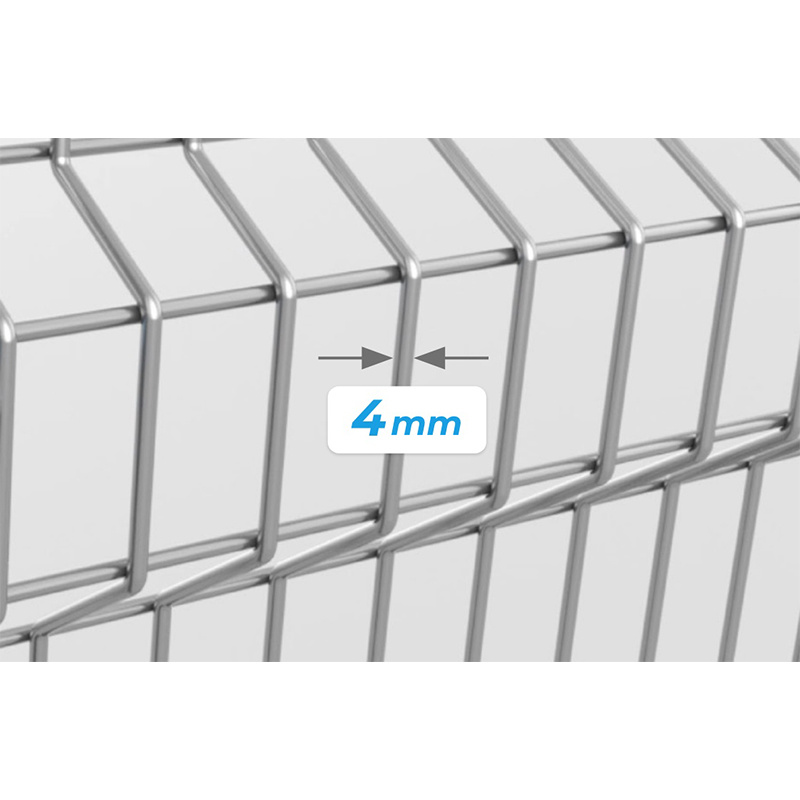
- **Steel Barriers**: Durable and robust, ideal for high-traffic areas.
- **Plastic Barriers**: Lightweight and flexible, suitable for temporary setups.
- **Retractable Barriers**: Versatile options that can be adjusted based on shifting needs.
Each type serves its unique purpose, but all share the common goal of improving safety and traffic management.
Key Benefits of Industrial Compartment Barriers
Enhanced Safety for Employees and Visitors
One of the most significant advantages of implementing industrial compartment barriers is the **enhanced safety** they provide. By clearly defining pedestrian and vehicular zones, these barriers minimize the risk of accidents involving employees or visitors. Businesses can create a safer environment that prioritizes the wellbeing of everyone on-site.
Increased Operational Efficiency
When traffic flows smoothly, operations become more efficient. Compartment barriers help streamline processes by organizing vehicle movement and reducing traffic congestion. This organization allows employees to focus on their tasks without the distraction of potential hazards, ultimately leading to increased productivity.
Compliance with Safety Regulations
Many industries are subject to strict safety regulations. By installing industrial compartment barriers, businesses demonstrate their commitment to **regulatory compliance**. This proactive approach not only protects employees but also mitigates the risk of costly fines and legal liabilities.
Applications of Industrial Compartment Barriers
Industrial compartment barriers find applications across a range of environments:
Manufacturing Facilities
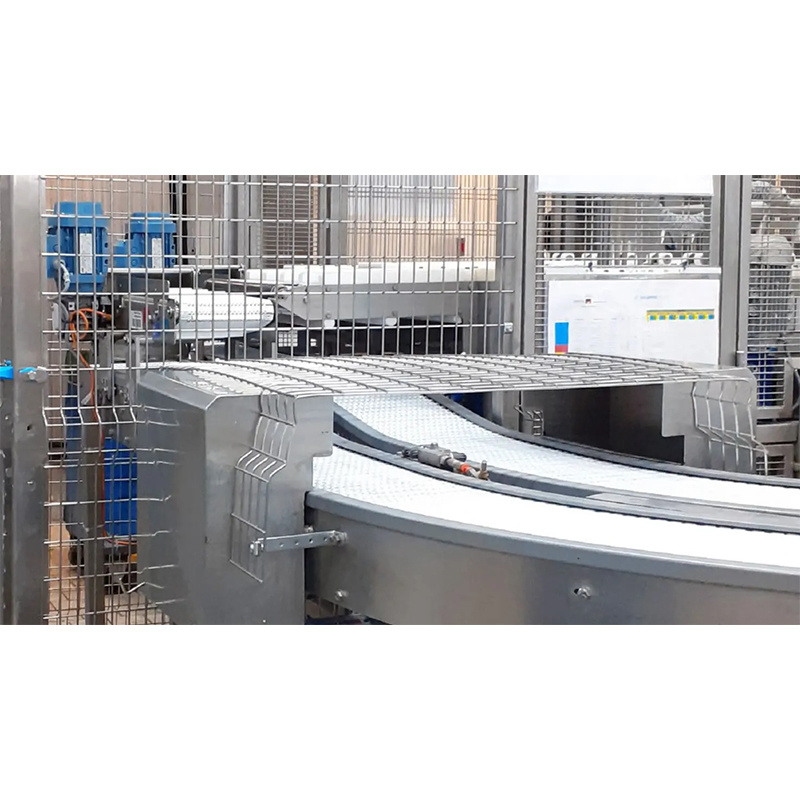
In manufacturing settings, where machinery and materials are constantly moving, barriers are essential for ensuring safety. They can protect workers from heavy equipment and designate loading and unloading zones.
Warehouses and Distribution Centers
In warehouses, effective traffic control is vital for maintaining order. Compartment barriers help in managing the flow of both foot and vehicle traffic, ensuring that goods are moved safely and efficiently.
Construction Sites
Construction sites are often chaotic, with different types of vehicles and workers cohabiting the space. Barriers can create safe zones and guide traffic, thereby preventing accidents and improving overall site management.
Choosing the Right Industrial Compartment Barriers
Selecting the appropriate barriers for your business requires careful consideration of several factors:
Assessing Your Facility's Needs
Begin by evaluating the specific needs of your facility. Consider the volume of traffic, types of vehicles, and pedestrian traffic patterns. This assessment will help determine the most suitable barrier type and placement.
Material Selection
The material of the barriers is crucial for durability and effectiveness. **Steel barriers** offer strength for high-traffic areas, while **plastic barriers** provide flexibility and ease of movement. Choose materials that align with your operational demands.
Customization Options
Many manufacturers offer customizable solutions that can be tailored to your specific requirements. Consider features such as color coding, signage integration, and branding opportunities to enhance visibility and communication within your traffic management system.
Installation and Maintenance of Industrial Compartment Barriers
The Installation Process
Installing industrial compartment barriers should be handled by professionals to ensure compliance with safety standards. A proper installation includes:
- **Site Assessment**: Evaluating the area for optimal barrier placement.
- **Clearance for Access**: Ensuring that the barriers do not obstruct traffic flow or access points.
- **Marking Zones**: Clearly marking pedestrian and vehicle zones for visibility.
Regular Maintenance for Longevity
To maximize the lifespan of your barriers, regular maintenance is essential. This includes:
- **Routine Inspections**: Checking for wear and tear or damage.
- **Cleaning**: Keeping barriers clean to maintain visibility and effectiveness.
- **Repairs**: Addressing any damage promptly to ensure ongoing safety.
Cost Considerations for Industrial Compartment Barriers
Investing in industrial compartment barriers can yield significant returns in safety and efficiency. However, businesses should also consider the following cost factors:
Initial Expenses
The upfront cost of purchasing and installing barriers may vary depending on the type and material. It’s important to obtain quotes from multiple suppliers to ensure you get the best value.
Long-term Savings
While the initial investment may seem substantial, the long-term savings related to reduced accidents, increased productivity, and compliance with safety regulations can far outweigh these costs.
Insurance Benefits
Many insurance providers recognize the preventive measures businesses take to ensure safety. Installing industrial compartment barriers can potentially lead to lower premiums, providing additional financial incentives for implementation.
Frequently Asked Questions (FAQs)
1. What are industrial compartment barriers made of?
Industrial compartment barriers can be made from various materials, including steel, plastic, and concrete. The choice of material typically depends on the specific needs of the facility and the level of durability required.
2. How do I determine the right type of barrier for my business?
Assess your facility's specific needs, including traffic patterns, vehicle types, and safety regulations. Consult with a barrier specialist to determine the most suitable option for your environment.
3. Are there customizable options for industrial compartment barriers?
Yes, many manufacturers offer customizable barriers that can be tailored to fit your business's unique safety requirements and branding needs.
4. How often should industrial compartment barriers be inspected?
It is advisable to conduct routine inspections of your barriers at least once a month. Regular checks can help identify any wear and ensure continued effectiveness.
5. Will installing barriers affect the flow of traffic in my facility?
On the contrary, properly installed barriers can improve the flow of traffic by clearly defining pedestrian and vehicle pathways, reducing congestion and enhancing overall safety.
Conclusion
Incorporating industrial compartment barriers into your business's traffic control strategy is not just a precaution—it's a necessity. These barriers enhance safety, improve operational efficiency, and ensure compliance with safety regulations. By understanding the importance of these barriers and choosing the right type for your facility, you can create a safer working environment that benefits everyone involved. As safety continues to be a top priority in industrial settings, investing in industrial compartment barriers will pay dividends in the long run.
Hot Products