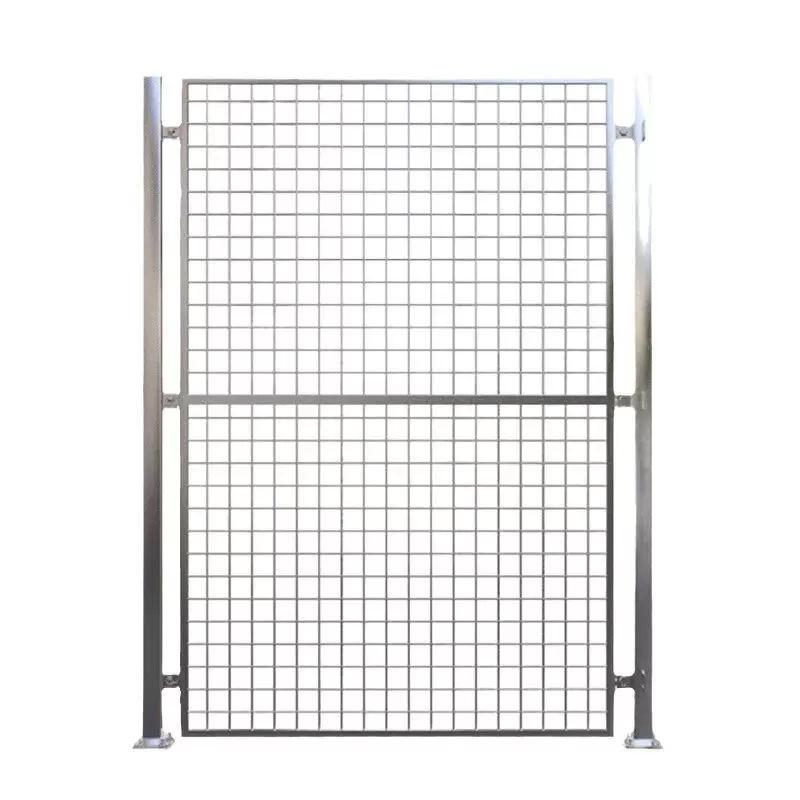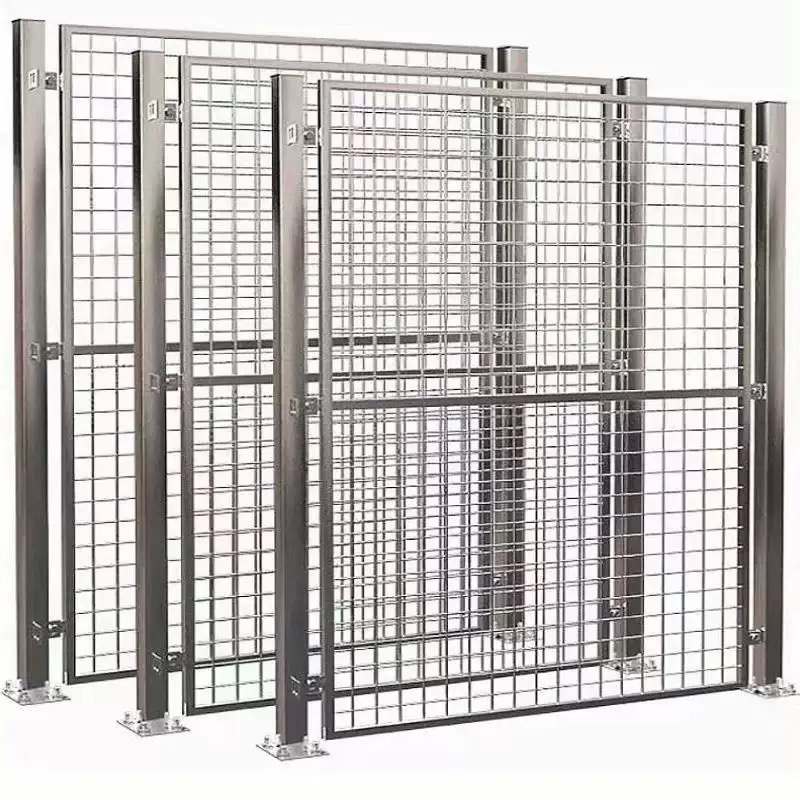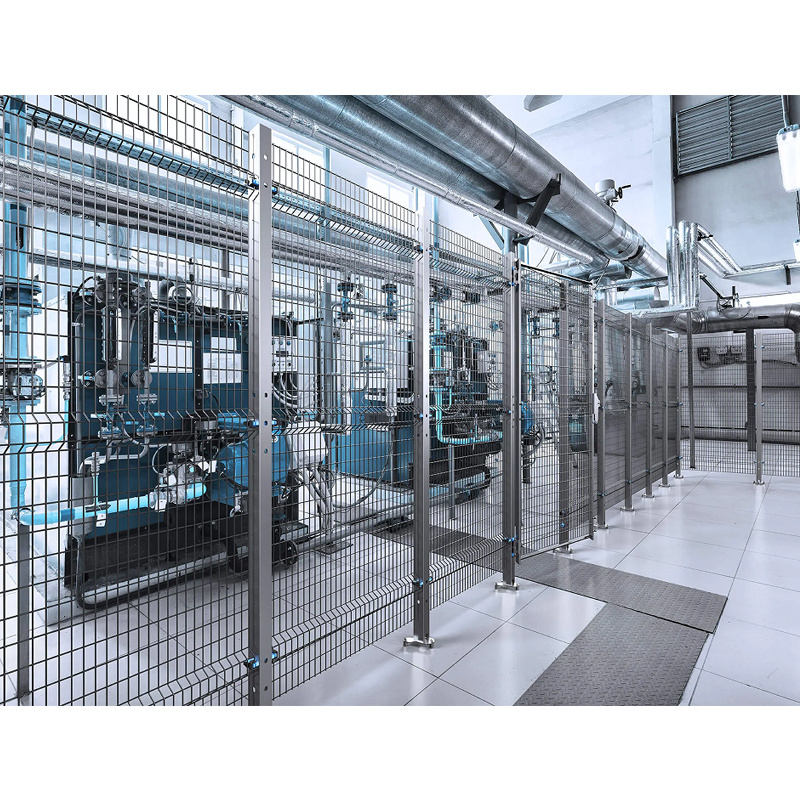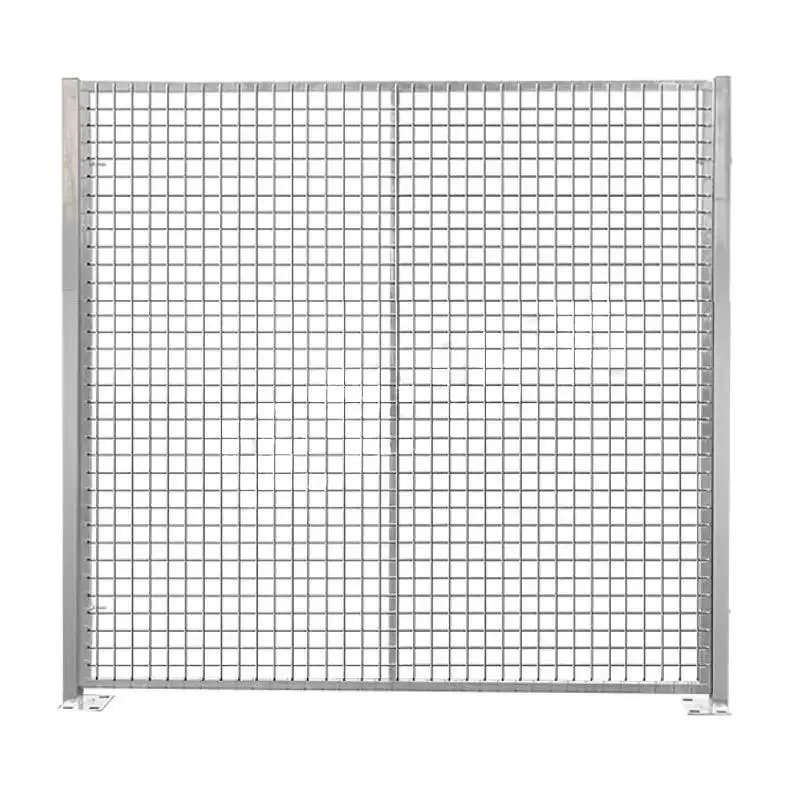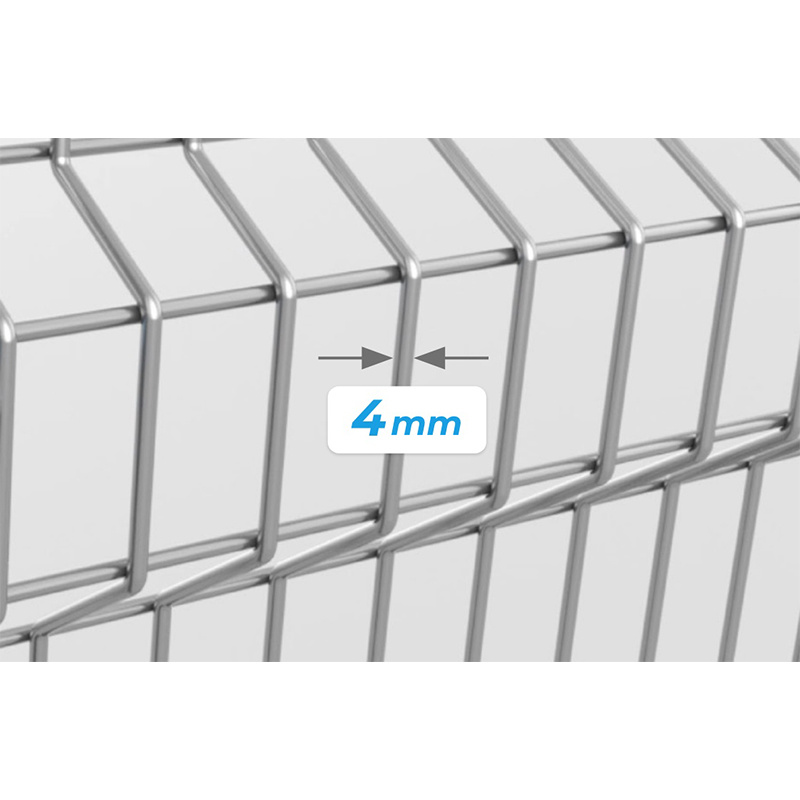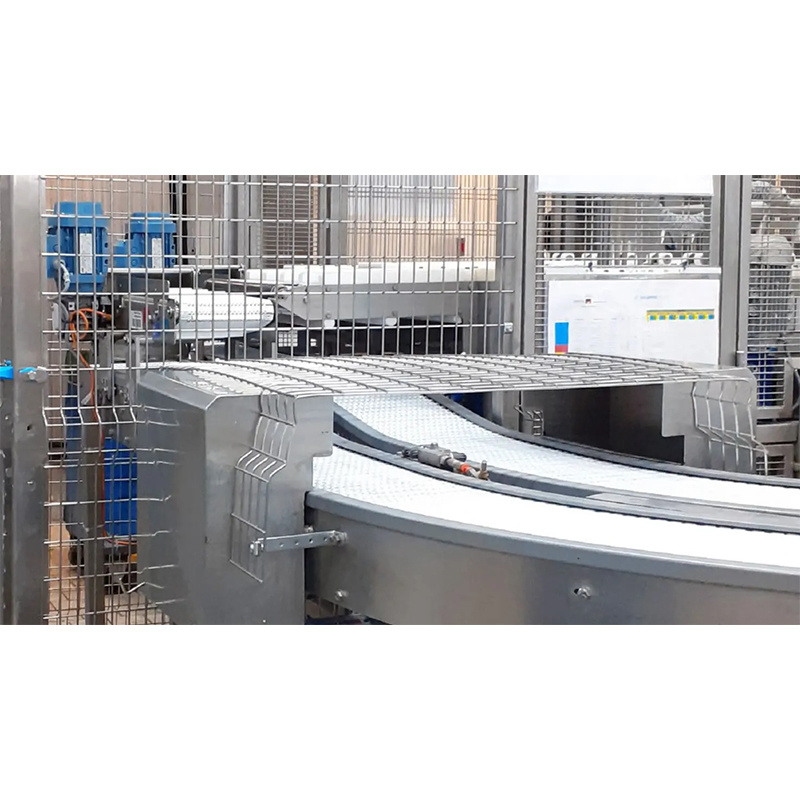

Machine Guarding Safety Fences: Protecting Workers in High-Risk Environments
Release Time:
Nov 17,2025
Machine Guarding Safety Fences: Protecting Workers in High-Risk Environments Table of Contents 1. Introduction to Machine Guarding Safety Fences 2. Importance of Machine Guarding Safety Fences in the Workplace 3. Types of Machine Guarding Safety Fences 3.1 Fixed Safety Fences 3.2 Removable Safety Fences 3.3 Adjustable Safety Fences
Machine Guarding Safety Fences: Protecting Workers in High-Risk Environments
Table of Contents
- 1. Introduction to Machine Guarding Safety Fences
- 2. Importance of Machine Guarding Safety Fences in the Workplace
- 3. Types of Machine Guarding Safety Fences
- 4. Benefits of Implementing Machine Guarding Safety Fences
- 5. Compliance with Safety Regulations
- 6. Best Practices for Installing Machine Guarding Safety Fences
- 7. Case Studies: Successful Implementation of Safety Fences
- 8. Future Trends in Machine Guarding Solutions
- 9. Frequently Asked Questions (FAQs)
- 10. Conclusion
1. Introduction to Machine Guarding Safety Fences
In the realm of industrial safety, **machine guarding safety fences** play a pivotal role in protecting workers from the inherent dangers present in high-risk environments. These environments often involve heavy machinery, moving parts, and potential hazards that could lead to severe injuries or fatalities. By creating physical barriers, safety fences effectively minimize the risk of accidents and ensure a safer workplace for employees.
2. Importance of Machine Guarding Safety Fences in the Workplace
Employers have a legal and ethical obligation to safeguard their employees. Implementing **machine guarding safety fences** is not merely a regulatory requirement; it serves a fundamental purpose in fostering a culture of safety. These barriers help delineate safe zones, provide clear visibility for operators, and significantly reduce the likelihood of unauthorized access to dangerous areas.
Furthermore, when employees feel secure, their morale and productivity tend to improve. This assurance of safety contributes to a positive workplace atmosphere, which can be particularly important in industries with high-stakes operations.
3. Types of Machine Guarding Safety Fences
Understanding the different types of **machine guarding safety fences** allows employers to select the right solutions for their unique needs. Below are the three primary types:
3.1 Fixed Safety Fences
Fixed safety fences are permanently installed structures designed to enclose hazardous areas. These fences are typically made from robust materials such as steel and can withstand significant impact. Their strength makes them ideal for high-traffic industrial environments where constant protection is required.
3.2 Removable Safety Fences
Removable safety fences offer the flexibility of being relocated or disassembled easily. They are beneficial in settings where machinery is frequently moved or when work areas need to be adapted for various projects. While they provide adequate protection, it’s crucial to ensure they are properly secured when in use.
3.3 Adjustable Safety Fences
Adjustable safety fences are versatile and can be modified to fit different layouts and machinery configurations. These fences are particularly useful in environments where equipment setups change regularly, allowing for efficient use of space without compromising safety.
4. Benefits of Implementing Machine Guarding Safety Fences
The advantages of installing **machine guarding safety fences** extend beyond mere compliance with safety regulations. Some notable benefits include:
- **Injury Prevention**: By providing a physical barrier, these fences significantly reduce the risk of accidents involving moving machinery, thus minimizing injury rates.
- **Enhanced Visibility**: Safety fences can be designed with transparent materials, allowing operators to maintain visibility of work areas while ensuring protection.
- **Cost-Effective Safety Solution**: Investing in safety fences can lead to long-term savings by preventing workplace injuries, which can result in costly medical expenses and potential litigation.
- **Employee Confidence**: A safe work environment enhances employee confidence and job satisfaction, leading to better performance and reduced turnover.
5. Compliance with Safety Regulations
Compliance with occupational safety regulations is paramount for any organization. Safety fences are often mandated by various regulatory bodies, including OSHA (Occupational Safety and Health Administration) in the United States. Implementing these fences not only ensures adherence to legal standards but also reflects a company’s commitment to prioritizing employee safety.
6. Best Practices for Installing Machine Guarding Safety Fences
To maximize the effectiveness of machine guarding safety fences, it is essential to follow best practices during installation:
1. **Site Assessment**: Conduct a thorough evaluation of the work environment to identify areas that require fencing.
2. **Select Appropriate Materials**: Choose fencing materials that withstand the specific industrial conditions and potential impacts.
3. **Engage Qualified Personnel**: Hire experienced professionals for installation to ensure that fences are secure and compliant with safety standards.
4. **Regular Maintenance**: Conduct routine inspections and maintenance of safety fences to ensure they remain in optimal condition and continue to provide effective protection.
7. Case Studies: Successful Implementation of Safety Fences
Examining real-world examples of successful safety fence implementations provides valuable insights into their effectiveness.
- **Case Study 1: Automotive Manufacturing Plant**
An automotive manufacturing facility faced challenges with employee injuries near assembly lines. By installing fixed safety fences, they reduced accidents by over 40% within the first year.
- **Case Study 2: Construction Site**
A construction site implemented removable safety fences around high-risk areas. This flexible solution allowed for rapid adaptation to changing site conditions while ensuring worker safety, leading to zero injuries during project completion.
8. Future Trends in Machine Guarding Solutions
The industrial landscape is continuously evolving, driven by technological advancements. Future trends in machine guarding solutions may include:
- **Smart Safety Fences**: Integration of sensors and IoT technology to monitor and alert workers of potential hazards in real time.
- **Modular Designs**: Development of modular fencing systems that can be easily adjusted or expanded based on operational needs.
- **Enhanced Training Programs**: Focus on training employees about the importance of machine guarding and best practices for using safety fences effectively.
9. Frequently Asked Questions (FAQs)
FAQ 1: What materials are machine guarding safety fences made of?
**Machine guarding safety fences** are typically made of durable materials such as steel, aluminum, or high-density plastic, chosen for their strength and resistance to wear.
FAQ 2: How do I determine if my facility needs safety fences?
Conduct a risk assessment to identify areas where moving machinery poses a threat to employees. If hazards are present, implementing safety fences is advisable.
FAQ 3: Are removable safety fences as effective as fixed ones?
While removable safety fences provide flexibility, they must be properly secured to ensure effectiveness. Both types serve their purpose depending on the specific environment.
FAQ 4: How often should safety fences be inspected?
Regular inspections should be conducted at least once a month or after any significant changes in the work environment to ensure they remain functional and compliant.
FAQ 5: Can safety fences be customized for specific machinery?
Yes, safety fences can be customized to fit the unique requirements of various machinery and workspaces, ensuring optimal protection.
10. Conclusion
Implementing **machine guarding safety fences** is a crucial step in protecting workers within high-risk environments. By understanding their types, benefits, and best practices, organizations can create safer workplaces that not only comply with regulations but also foster a culture of safety. As industries continue to advance, evolving solutions will enhance protection measures, ensuring that the safety of workers remains a top priority. Embracing these advancements today sets the foundation for a safer tomorrow in the workplace.
Hot Products