
Enhancing Workplace Security: The Importance of Warehouse Safety Barriers
Release Time:
Dec 29,2025
Enhancing Workplace Security: The Importance of Warehouse Safety Barriers Table of Contents Introduction to Warehouse Safety Barriers Understanding Warehouse Safety Barriers Types of Warehouse Safety Barriers Guard Rails Bollards Safety Fencing Benefits of Implementing Safety Barriers Accident Prevention
Enhancing Workplace Security: The Importance of Warehouse Safety Barriers
Table of Contents
- Introduction to Warehouse Safety Barriers
- Understanding Warehouse Safety Barriers
- Types of Warehouse Safety Barriers
- Benefits of Implementing Safety Barriers
- Best Practices for Warehouse Safety Barriers
- Case Studies: Success Stories
- Regulatory Compliance and Safety Standards
- Future Innovations in Warehouse Safety Barriers
- Conclusion
- FAQs
Introduction to Warehouse Safety Barriers
In today's fast-paced industrial environment, ensuring workplace safety is paramount. **Warehouse safety barriers** are essential measures that protect both employees and assets within a bustling warehouse setting. These barriers serve as physical demarcations that guide pedestrian traffic, shield equipment, and safeguard high-value items from potential accidents.
Understanding the importance of these barriers is crucial for businesses striving to enhance their security protocols. In this article, we will delve into the various types of safety barriers, their benefits, and best practices to implement these systems effectively.
Understanding Warehouse Safety Barriers
Warehouse safety barriers are designed to mitigate risks associated with industrial operations. By creating defined spaces, these barriers help in managing the flow of both pedestrians and vehicles. They play a vital role in accident prevention and asset protection, ensuring that the warehouse functions efficiently and safely.
Safety barriers can come in various forms and materials, and their design often depends on the specific needs of the warehouse. Depending on the workflow and layout, businesses can select from multiple types of barriers to ensure optimal safety.
Types of Warehouse Safety Barriers
Understanding the different types of safety barriers available is essential for making informed decisions about warehouse safety.
Guard Rails
**Guard rails** are one of the most common forms of warehouse safety barriers. They are typically made from steel and are designed to absorb impact from vehicles or equipment. Positioned along walkways and near loading docks, guard rails provide a protective barrier that keeps pedestrians safe from moving machinery.
Bollards
**Bollards** are short, sturdy posts used to prevent unauthorized vehicle access and protect sensitive areas. They can be made from various materials, including concrete, metal, and plastic. Bollards are often placed at entry points or around valuable assets to deter collisions and ensure that pedestrian pathways remain clear.
Safety Fencing
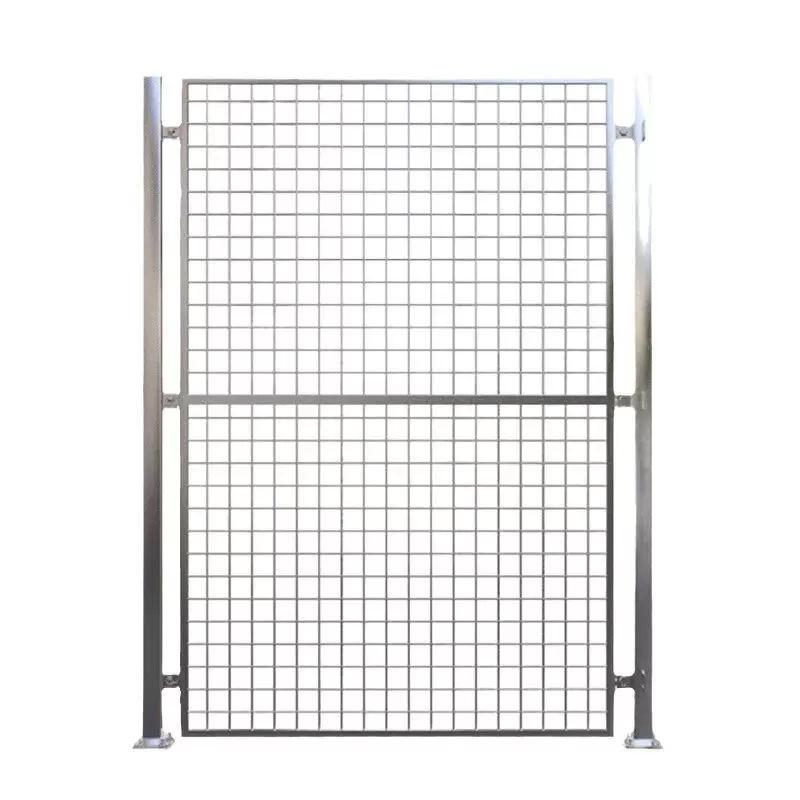
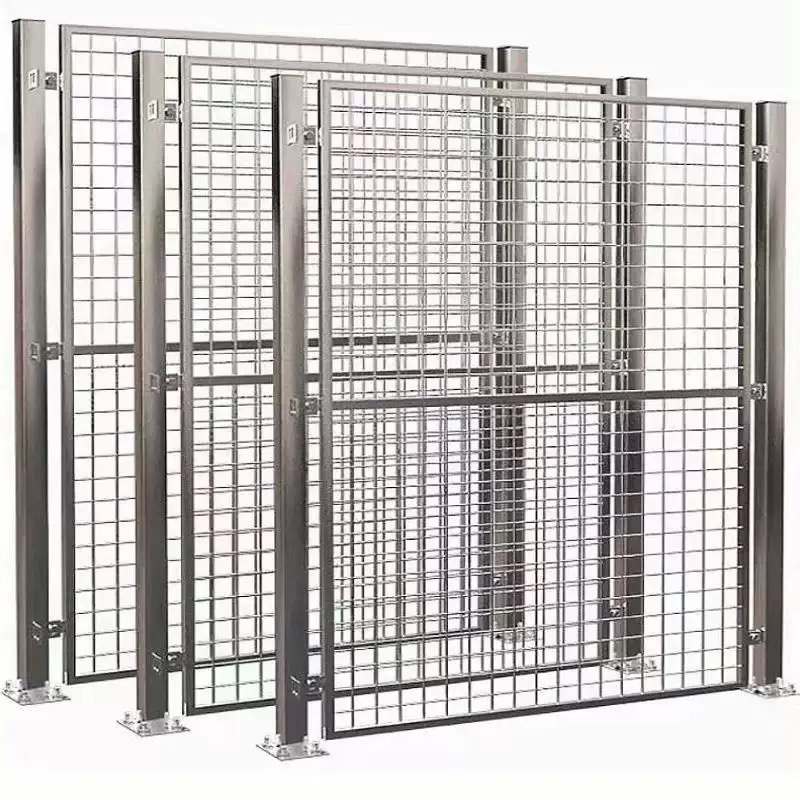
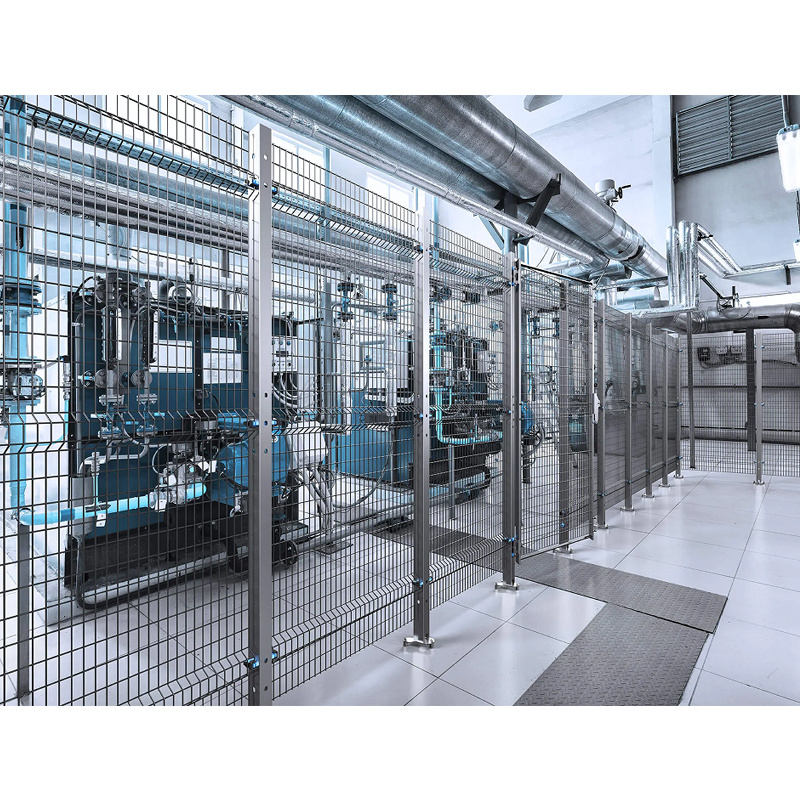
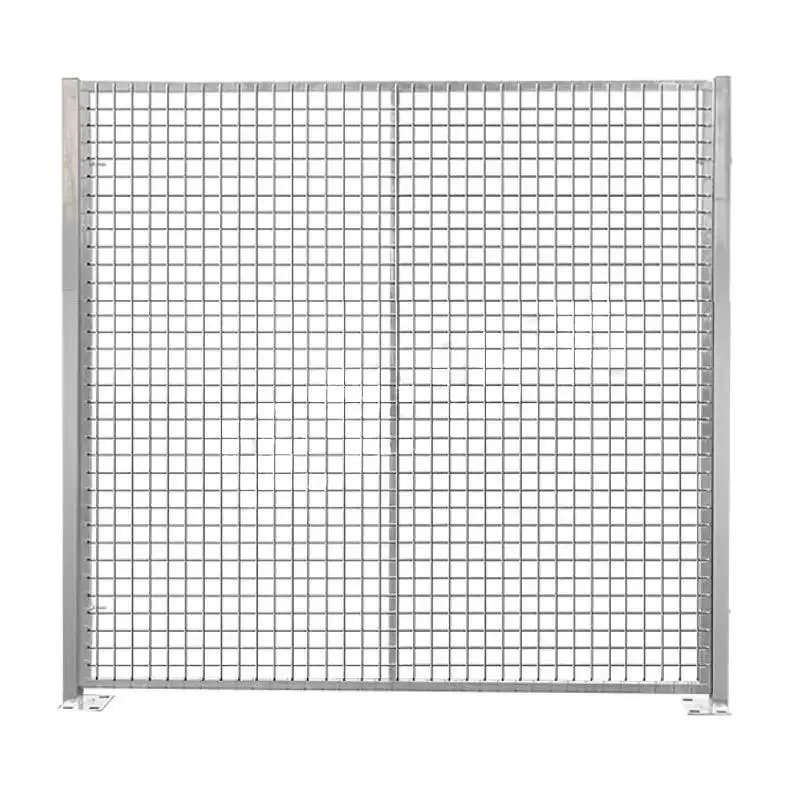
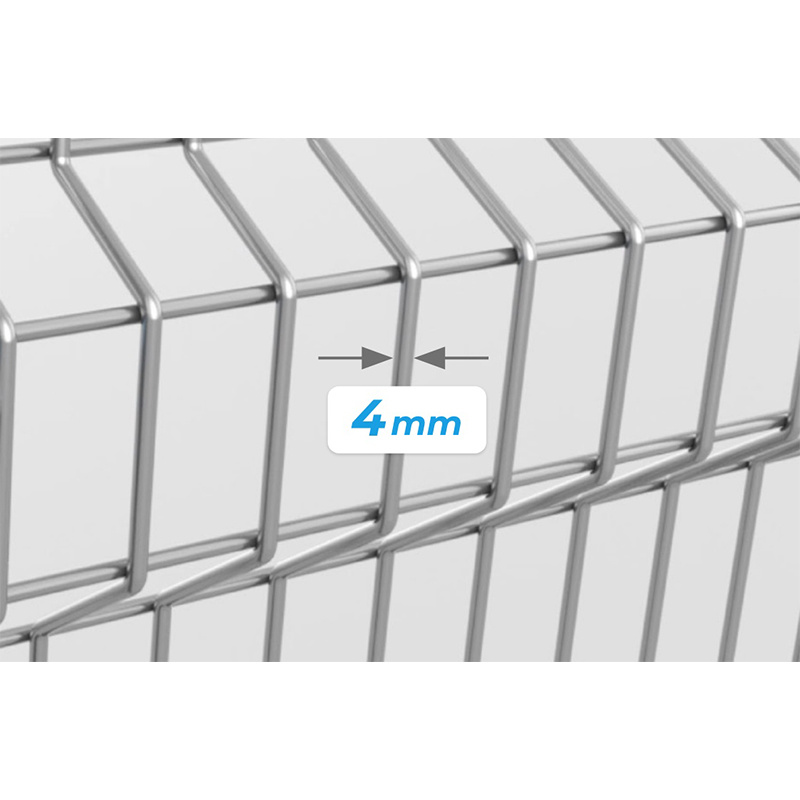
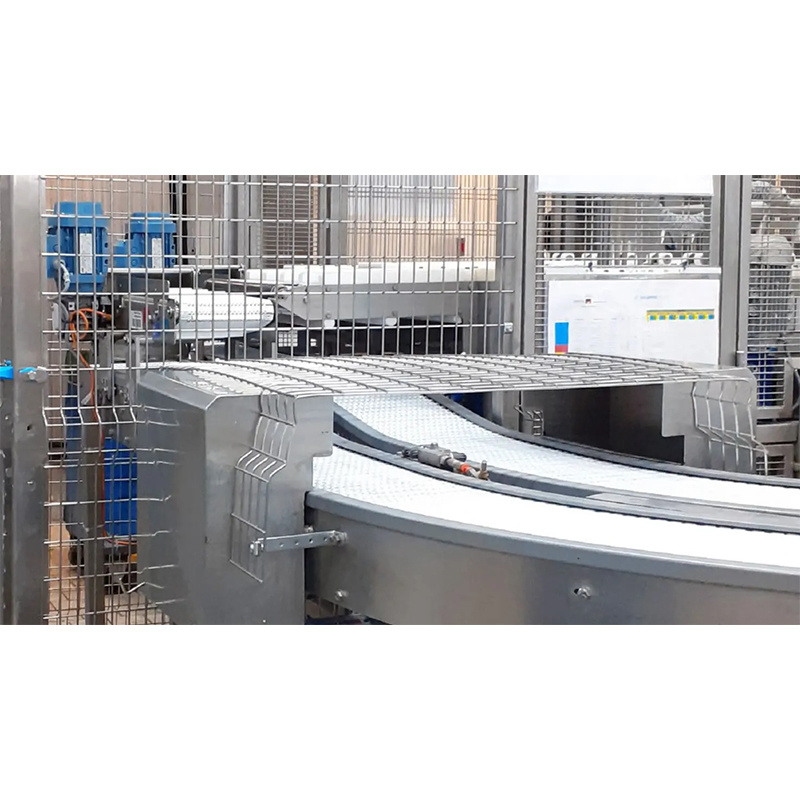
**Safety fencing** is another essential type of warehouse barrier. It is used to enclose areas that require restricted access, such as hazardous zones or high-value storage. Safety fencing offers a versatile solution for controlling movement and ensuring that employees adhere to safety protocols.
Benefits of Implementing Safety Barriers
Integrating safety barriers into warehouse environments comes with several significant advantages.
Accident Prevention
One of the most significant benefits of warehouse safety barriers is their role in accident prevention. By clearly defining pedestrian pathways and protecting vulnerable areas, safety barriers reduce the likelihood of collisions between personnel and machinery. This proactive approach helps create a safer work environment for everyone.
Asset Protection
In addition to protecting employees, safety barriers also safeguard valuable assets. By preventing unauthorized access and minimizing the risk of damage from moving equipment, businesses can save costs associated with repairs and replacements. Moreover, ensuring that high-value items are secured contributes to overall operational efficiency.
Workflow Improvement
Implementing safety barriers can also enhance workflow efficiency. By clearly marking pathways and work areas, employees can navigate the warehouse more easily. This organized environment not only streamlines operations but also contributes to improved productivity.
Best Practices for Warehouse Safety Barriers
To maximize the effectiveness of safety barriers, businesses should follow these best practices:
1. **Conduct Regular Safety Audits**: Regular inspections of safety barriers are essential to identify wear and tear, ensuring that they remain effective over time.
2. **Train Employees**: Providing training for employees on the proper use of safety barriers and understanding the layout of the warehouse can significantly enhance safety awareness.
3. **Customize Barriers to Fit Your Needs**: Assess the specific requirements of your warehouse, and choose safety barriers that suit those needs effectively.
4. **Integrate Technology**: Consider incorporating technology, such as sensors and alarms, to enhance the effectiveness of safety barriers.
5. **Stay Compliant with Regulations**: Always ensure that your safety barriers meet local safety regulations and standards.
Case Studies: Success Stories
Examining real-world examples can provide valuable insights into the effectiveness of warehouse safety barriers.
**Case Study 1: ABC Logistics**
ABC Logistics implemented guard rails and bollards in their warehouse to protect employees and high-value inventory. After the installation, they reported a **30% reduction** in workplace accidents and improved overall efficiency.
**Case Study 2: XYZ Distribution Center**
XYZ Distribution Center utilized safety fencing to secure hazardous areas. Following the implementation, they noticed a significant decrease in unauthorized access, leading to enhanced safety and compliance with industry regulations.
Regulatory Compliance and Safety Standards
Compliance with safety regulations is critical for any warehouse operation. Understanding the various safety standards, such as OSHA guidelines, can help businesses make informed choices about implementing safety barriers. Regular audits and maintaining updated knowledge of regulations will ensure that your warehouse remains compliant, safeguarding both employees and assets.
Future Innovations in Warehouse Safety Barriers
The landscape of warehouse safety is continuously evolving. Innovations such as smart safety barriers that integrate IoT technology and advanced materials that offer better durability are becoming increasingly prevalent. Keeping an eye on these trends will enable businesses to stay ahead of the curve and ensure optimal safety in their operations.
Conclusion
Enhancing workplace security through the implementation of warehouse safety barriers is not just a regulatory requirement but a fundamental aspect of operational efficiency. By investing in the right types of barriers and adhering to best practices, businesses can create a safer environment for employees while protecting their valuable assets.
As we continue to innovate and adapt to the evolving landscape of workplace safety, it is essential to remain proactive and committed to maintaining high standards of security. Ultimately, a well-structured safety barrier system will not only protect your workforce but also contribute to the long-term success of your warehouse operations.
FAQs
1. What are warehouse safety barriers?
Warehouse safety barriers are physical structures designed to protect employees and assets by demarcating safe zones and preventing accidents.
2. What types of safety barriers are most effective?
The effectiveness of safety barriers can depend on the specific needs of a warehouse. Common types include guard rails, bollards, and safety fencing.
3. How do safety barriers improve workflow?
By clearly marking paths and work areas, safety barriers help employees navigate the warehouse efficiently, reducing confusion and enhancing productivity.
4. Are there regulatory requirements for warehouse safety barriers?
Yes, compliance with local safety regulations, such as OSHA guidelines, is essential for ensuring that warehouse safety barriers meet industry standards.
5. Can technology enhance the effectiveness of safety barriers?
Incorporating technology, such as sensors and alarms, can significantly enhance the effectiveness of safety barriers by providing real-time alerts and data.
Hot Products