
The Cost-Effectiveness of Investing in Safety Fencing Solutions: Maximizing Safety and Reducing Risks
Release Time:
Jan 16,2026
The Cost-Effectiveness of Investing in Safety Fencing Solutions In today's fast-paced industrial world, ensuring the safety of employees and the integrity of work environments is paramount. Safety fencing solutions, often overlooked, play a critical role in achieving these objectives. This article delves into the cost-effectiveness of investing in safety fencing and explores how it can lead to sig
The Cost-Effectiveness of Investing in Safety Fencing Solutions
In today's fast-paced industrial world, ensuring the safety of employees and the integrity of work environments is paramount. Safety fencing solutions, often overlooked, play a critical role in achieving these objectives. This article delves into the cost-effectiveness of investing in safety fencing and explores how it can lead to significant long-term benefits for businesses.
Understanding Safety Fencing Solutions
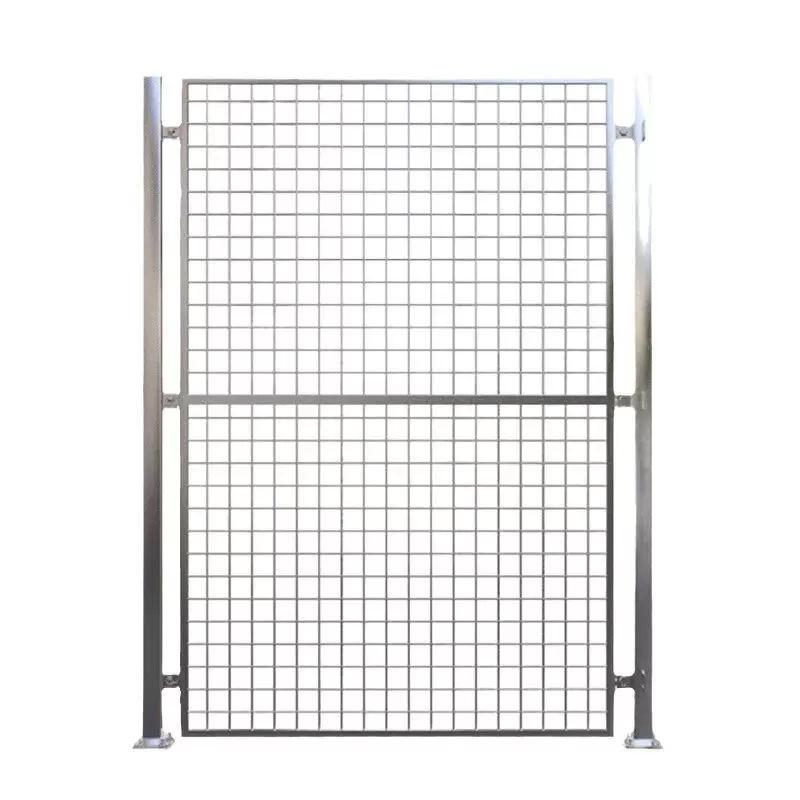
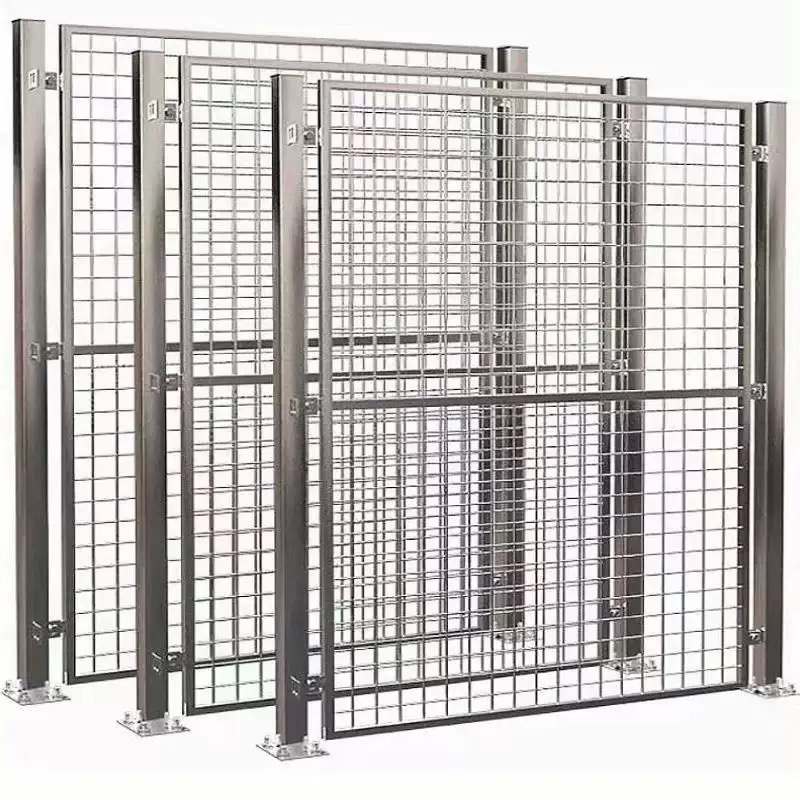
Safety fencing, designed to protect workers and secure hazardous areas, comes in various forms, including mesh, chain-link, and solid barriers. These structures are essential for defining perimeters, enhancing visibility, and preventing unauthorized access to dangerous zones.
Types of Safety Fencing
There are several types of safety fencing solutions available, each tailored to meet specific safety requirements:
1. Mesh Fencing
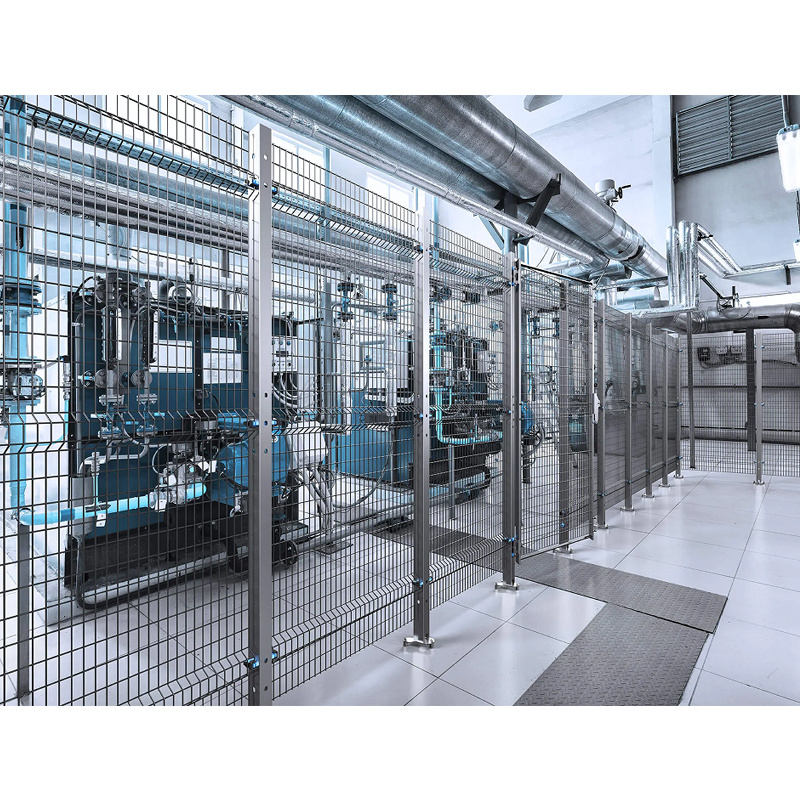
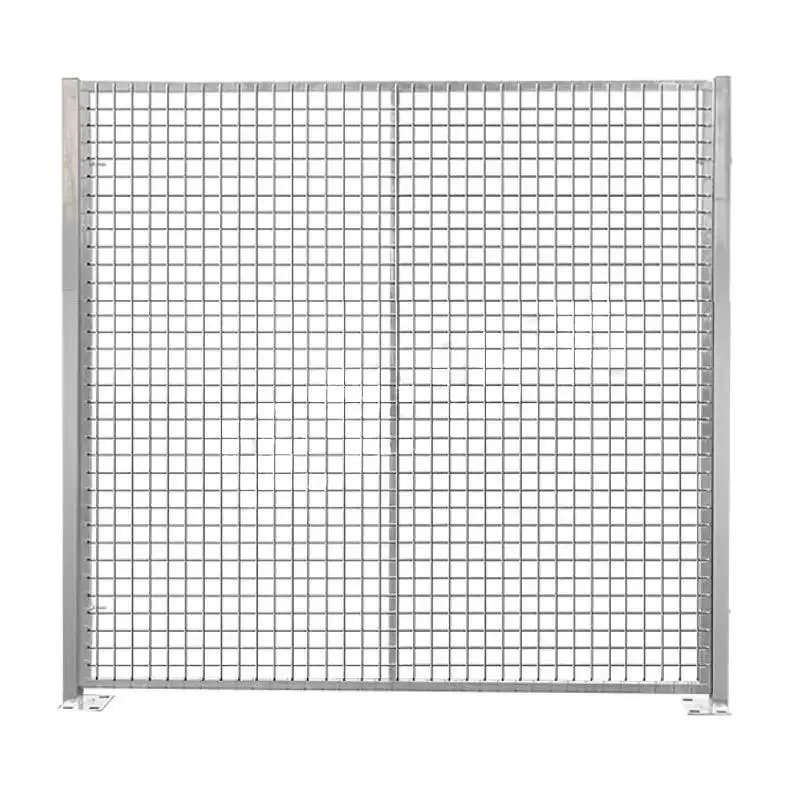
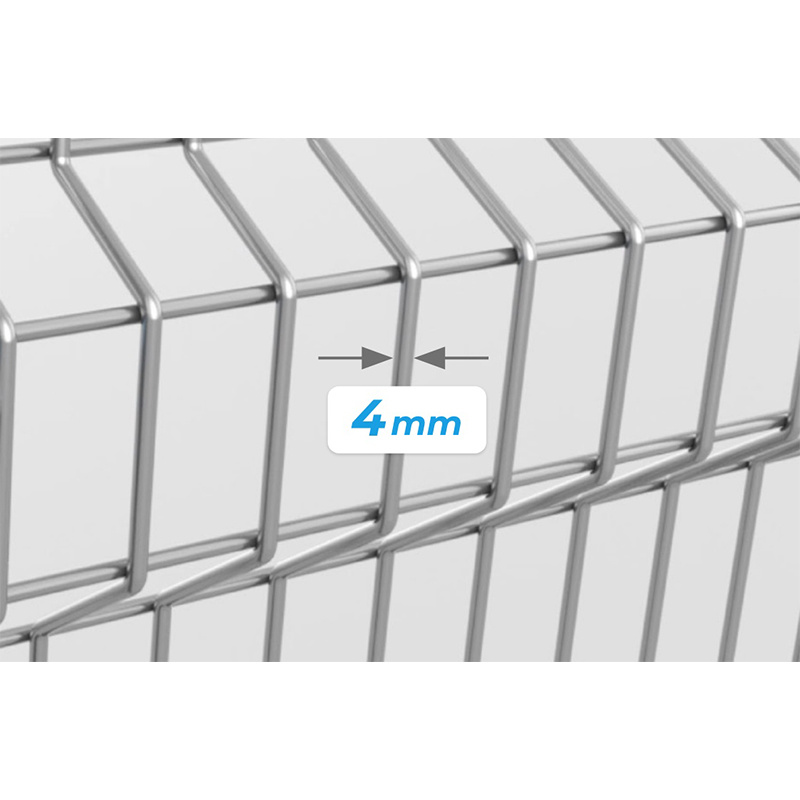
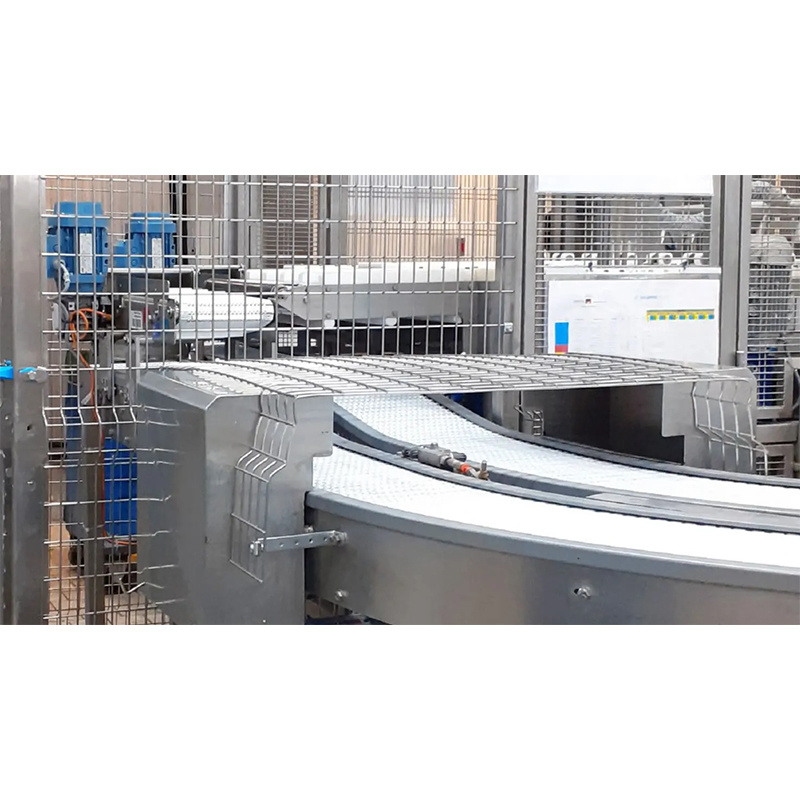
Mesh fencing provides a versatile option for construction sites and industrial facilities. Its transparent nature allows visibility while ensuring that individuals remain within safe zones.
2. Chain-Link Fencing
Chain-link fencing is cost-effective and easy to install. It is often used for larger areas that require perimeter security without obstructing visibility.
3. Solid Barriers
Solid barriers offer maximum protection by enclosing hazardous areas completely. These are ideal for environments with high-risk activities.
Why Invest in Safety Fencing?
Investing in safety fencing is not merely a regulatory requirement; it is a strategic decision that can lead to significant advantages for an organization.
1. Enhancing Workplace Safety
The primary goal of safety fencing solutions is to enhance workplace safety. By clearly delineating hazardous zones, businesses can reduce the risk of accidents, thereby protecting employees and minimizing liability.
2. Reducing Insurance Costs
Many insurance providers offer discounts for businesses that implement effective safety measures, including safety fencing. This reduction in premiums can offset the initial investment cost over time.
3. Complying with Regulations
Industry regulations often mandate specific safety measures, including fencing solutions. Investing in safety fencing ensures compliance, helping businesses avoid fines and legal issues.
4. Improving Employee Morale
A safe working environment contributes to employee morale. When workers feel protected, they are more likely to be productive and engaged, ultimately benefiting the organization.
Cost Analysis of Safety Fencing Solutions
Understanding the cost-effectiveness of safety fencing involves analyzing both direct and indirect costs associated with workplace safety.
1. Initial Investment and Installation Costs
The upfront costs of safety fencing can vary based on materials and installation complexity. However, these costs should be viewed within the context of long-term savings.
2. Long-Term Maintenance Costs
While some fencing solutions may require ongoing maintenance, many modern materials are designed for durability and low upkeep. Factor in these costs when evaluating the overall investment.
3. Potential Cost Savings from Accident Prevention
The financial impact of workplace accidents can be staggering. According to industry reports, the average cost of a workplace injury can exceed thousands of dollars, not including lost productivity. Investing in safety fencing can significantly reduce these occurrences.
Real-World Examples of Cost-Effectiveness
To illustrate the cost-effectiveness of safety fencing solutions, consider several case studies:
1. Construction Site Case Study
At a large construction site, the installation of mesh fencing around hazardous areas resulted in a **40% decrease** in accidents. The initial installation cost was recouped within the first year through reduced insurance premiums and fewer workplace injuries.
2. Manufacturing Facility Case Study
A manufacturing facility that implemented solid barriers to enclose machinery saw a **50% reduction** in safety incidents. The return on investment was realized through improved employee morale and lower worker’s compensation claims.
Choosing the Right Safety Fencing Solution
Selecting the appropriate safety fencing solution is crucial for maximizing benefits. Consider the following factors:
1. Assessing Risk Levels
Evaluate the specific risks present in your environment. High-risk areas may require more robust fencing solutions, while lower-risk zones might benefit from lighter options.
2. Budget Considerations
Establish a clear budget for your safety fencing project. Weigh the costs against potential savings to determine the most viable solution.
3. Compliance Requirements
Understand the regulations specific to your industry. Ensure that the selected fencing solution meets all necessary safety standards.
Implementing Safety Fencing Solutions: A Step-by-Step Guide
Implementing safety fencing requires careful planning and coordination. Follow these steps for successful installation:
1. Conduct a Safety Assessment
Begin with a comprehensive safety assessment to identify areas that require fencing.
2. Determine Fencing Types and Materials
Based on the assessment, select the appropriate fencing type and material to meet safety needs.
3. Plan the Installation
Schedule installation during off-peak hours to minimize disruption. Ensure that experienced professionals handle the installation.
4. Regularly Review and Maintain Fencing
Conduct periodic inspections to ensure the integrity of the fencing. Address any maintenance needs promptly to maintain safety standards.
FAQs about Safety Fencing Solutions
1. What are the most common types of safety fencing materials?
The most common materials include mesh, chain-link, and solid barriers, each serving different purposes based on visibility and security needs.
2. How can safety fencing reduce insurance costs?
Insurance providers often offer discounts for businesses that implement comprehensive safety measures, leading to lower premiums.
3. Are safety fencing solutions customizable?
Yes, many fencing solutions can be customized to fit specific site requirements and safety concerns.
4. How often should safety fencing be inspected?
It’s advisable to conduct inspections at least quarterly, or more frequently in high-traffic areas.
5. What is the ROI of investing in safety fencing?
The ROI can be significant, as reduced accidents lead to lower insurance costs, fewer claims, and improved productivity.
Conclusion
Investing in safety fencing solutions is not just a regulatory necessity; it is a strategic move that can yield substantial long-term benefits. With enhanced workplace safety, reduced insurance costs, and improved employee morale, the cost-effectiveness of these solutions becomes clear. By choosing the right fencing types and implementing them effectively, businesses can not only protect their employees but also secure a promising return on investment. Taking proactive steps towards safety fencing is a commitment to a safer workplace and a more successful future.
Hot Products