
Essential Tips for Effective Installation of Machine Guarding Safety Fences
Release Time:
Jan 22,2026
Essential Tips for Effective Installation of Machine Guarding Safety Fences Machine guarding safety fences are crucial to ensuring a secure and safe working environment, especially in industrial settings. As technologies evolve and workplace dynamics change, the necessity for effective safety measures becomes more paramount. This guide aims to provide in-depth insights and practical tips for the *
Essential Tips for Effective Installation of Machine Guarding Safety Fences
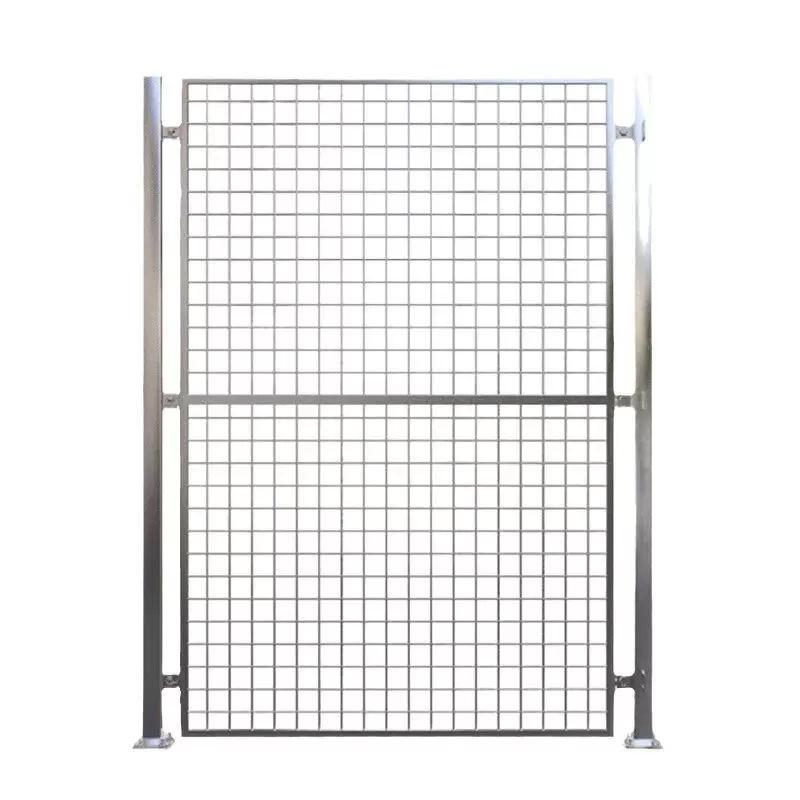
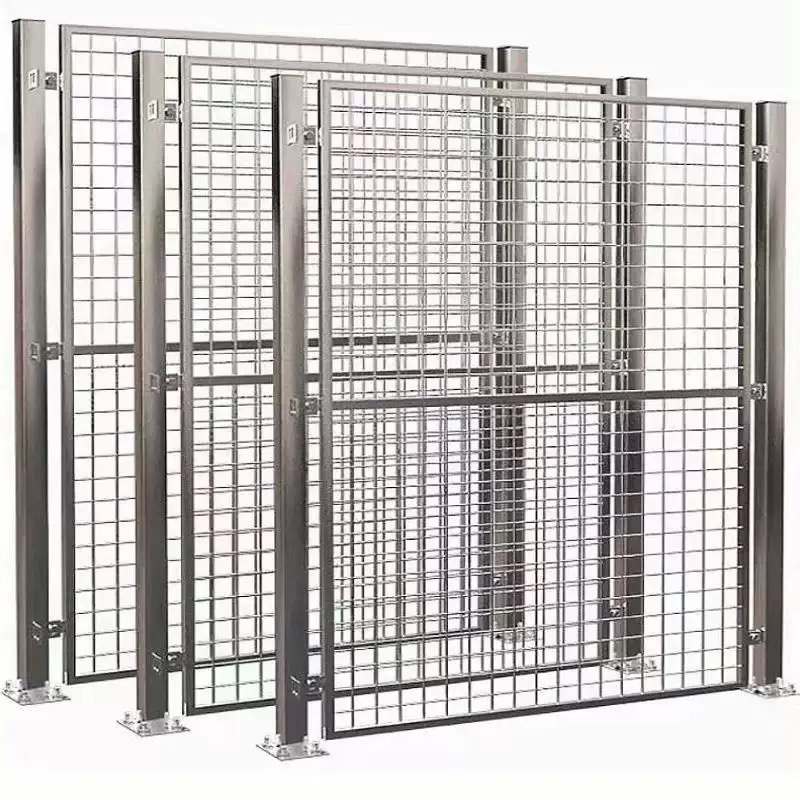
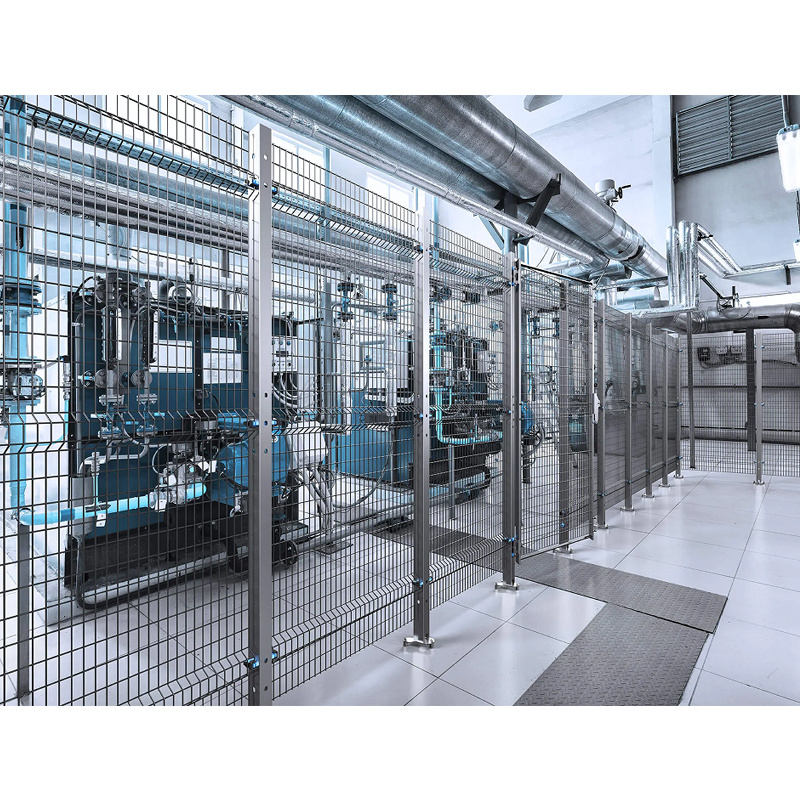
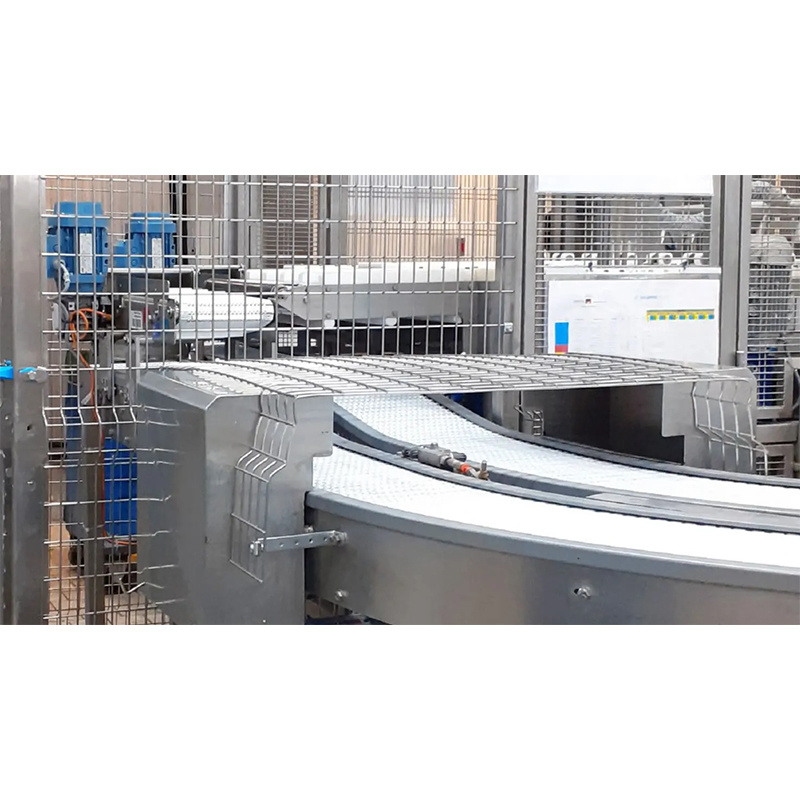
Machine guarding safety fences are crucial to ensuring a secure and safe working environment, especially in industrial settings. As technologies evolve and workplace dynamics change, the necessity for effective safety measures becomes more paramount. This guide aims to provide in-depth insights and practical tips for the **effective installation of machine guarding safety fences**, ensuring compliance and enhancing overall safety.
Understanding the Importance of Machine Guarding Safety Fences
Machine guarding safety fences are not just barriers; they are essential safety measures designed to protect workers from hazardous machinery. The primary purpose of these fences is to prevent unauthorized access to dangerous areas while allowing operators to perform their tasks safely.
The Role of Safety Fences in Compliance
Regulatory bodies, such as OSHA, mandate specific safety protocols to protect employees. Installing machine guarding safety fences is often a requirement for compliance with safety regulations. These fences serve as a physical barrier, ensuring that workers remain at a safe distance from moving parts and hazardous areas of machinery.
Benefits of Installing Machine Guarding Safety Fences
1. **Enhanced Safety**: The foremost benefit is increased safety for workers. By creating secure zones around machinery, the risk of accidents significantly decreases.
2. **Increased Productivity**: A safer environment leads to fewer accidents and disruptions, enhancing productivity.
3. **Compliance Assurance**: Proper installation ensures adherence to safety regulations, reducing the risk of fines and legal issues.
4. **Cost Efficiency**: Investing in safety measures can lead to long-term savings by preventing accidents and injuries that could result in costly downtime.
Key Considerations Before Installation
Before diving into the installation process, several crucial factors need to be assessed to ensure the effectiveness of the machine guarding safety fences.
Assessing the Machinery and Work Area
Evaluate the types of machinery in use, their operational processes, and potential hazards. Understanding the specific risks associated with each machine will aid in determining the most suitable type of safety fence.
Choosing the Right Materials
The materials used for safety fences should be durable and suitable for the environment. Common materials include:
- **Steel**: Known for its strength and durability, steel is ideal for high-risk areas.
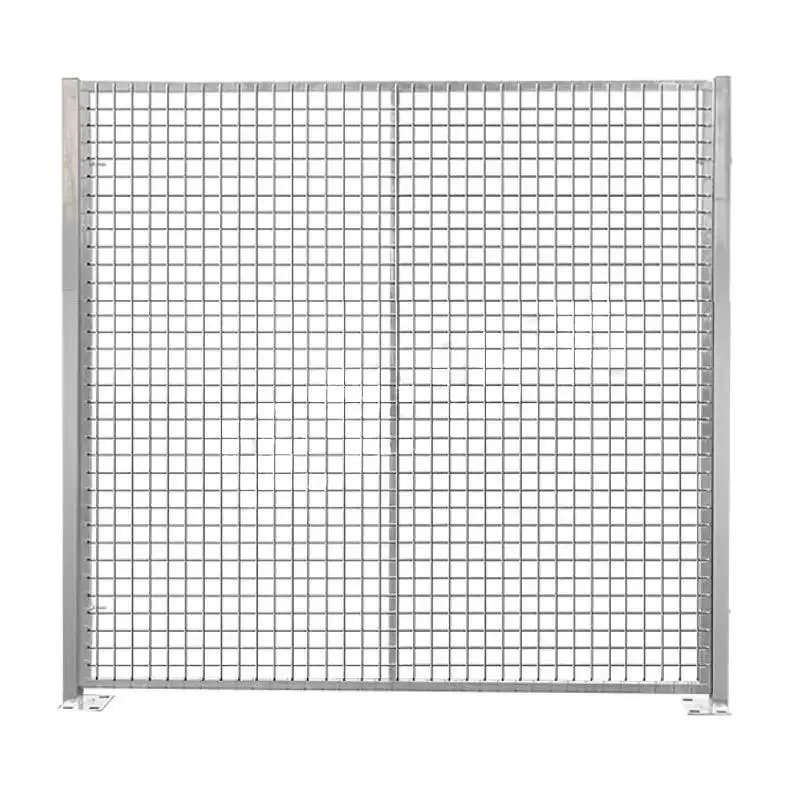
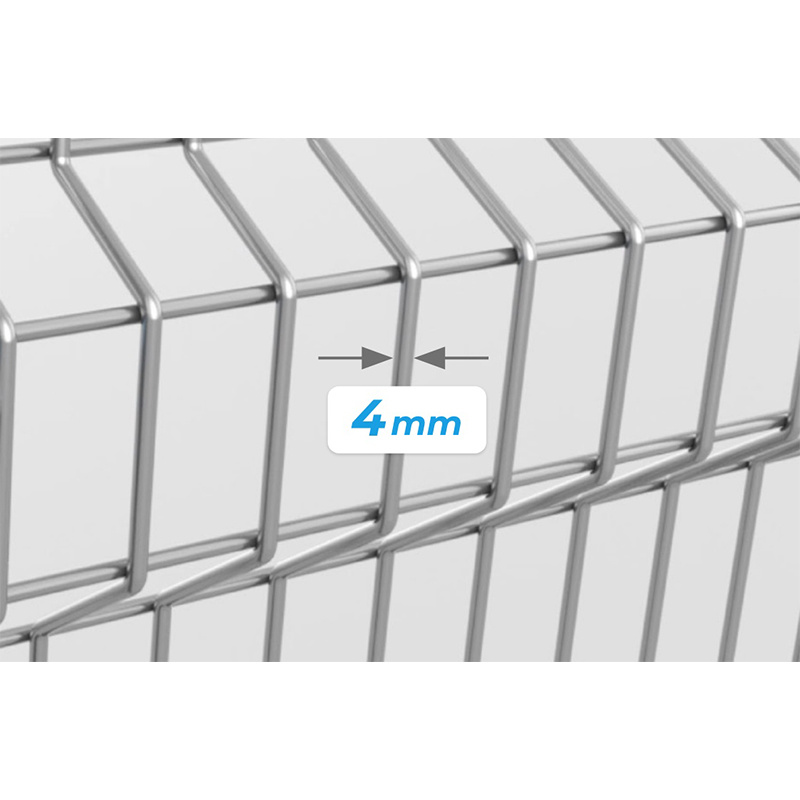
- **Wire Mesh**: A cost-effective solution that allows visibility while providing a barrier.
- **Plastic or Composite Materials**: Lightweight options suitable for less hazardous areas.
Defining Safety Zones
Identify and define the zones around machinery that require guarding. For example:
- **Restricted Zones**: Areas where only trained personnel should enter.
- **Warning Zones**: Areas that indicate caution but may allow limited access.
Steps for Effective Installation of Machine Guarding Safety Fences
Following a systematic approach will ensure effective installation.
Step 1: Planning and Designing the Layout
Start with a detailed plan that includes the layout of the safety fences. Use diagrams to visualize where each fence will be placed, considering machinery movement and workflow.
Creating a Blueprint
Develop a comprehensive blueprint that integrates the safety fence layout with existing machinery, pathways, and emergency exits.
Step 2: Gathering Necessary Tools and Equipment
Acquire all necessary tools and equipment for installation. Common tools may include:
- **Measuring Tape**: For accurate measurements.
- **Drills and Fasteners**: For securing the fencing.
- **Safety Gear**: Ensuring that all personnel involved in the installation are wearing appropriate safety gear.
Step 3: Preparing the Installation Site
Before installation begins, ensure the site is prepared:
- Clear any debris or obstacles from the installation area.
- Ensure the ground is level for proper fence alignment.
Step 4: Installing the Fence Posts
Securely install the fence posts according to the specifications in your blueprint. Ensure they are spaced appropriately for stability.
Tips for Installing Fence Posts
- **Depth**: Dig post holes deep enough to ensure stability, typically at least one-third of the total height of the post.
- **Alignment**: Use a level to ensure that all posts are aligned correctly for a uniform appearance and functionality.
Step 5: Attaching the Fence Panels
Once the posts are installed, attach the fence panels securely. If using wire mesh, ensure it is taut to prevent sagging or bending.
Step 6: Implementing Safety Signage
Add appropriate safety signage to alert personnel of the hazards associated with the machinery and the purpose of the safety fence. Signs should be clearly visible and easy to understand.
Step 7: Conducting a Safety Audit
After installation, conduct a thorough safety audit to ensure that the safety fence meets all regulatory standards and effectively protects workers from potential hazards.
Maintenance Practices for Machine Guarding Safety Fences
Regular maintenance is essential to ensure the ongoing effectiveness of machine guarding safety fences.
Routine Inspections
Schedule routine inspections to check for any signs of damage or wear. Inspecting the integrity of the fence, posts, and signage should be part of regular safety protocols.
Cleaning and Upkeep
Maintain the cleanliness of the safety fences to ensure visibility and effectiveness. Regularly remove any obstructions or debris that might hinder the fence’s purpose.
Common Challenges and Solutions in Installation
While the installation process is straightforward, several challenges may arise.
Challenge 1: Inadequate Space
In some facilities, space constraints may hinder the proper installation of safety fences.
Solution
Consider using modular fencing systems that can be adjusted as needed without compromising safety.
Challenge 2: Interference with Workflow
Safety fences may inadvertently disrupt workflow.
Solution
Involve employees in the planning process to understand their workflow and how to position the fences without hindering productivity.
Challenge 3: Compliance with Changing Regulations
Regulatory standards may change, necessitating adjustments to existing safety measures.
Solution
Stay informed about changes in safety regulations and ensure that all installations are compliant. Regular training will also keep employees updated on safety protocols.
Frequently Asked Questions (FAQs)
1. What materials are best suited for machine guarding safety fences?
The best materials include steel for high-risk areas, wire mesh for visibility, and plastic or composite materials for less hazardous environments.
2. How often should safety fences be inspected?
Safety fences should be inspected routinely, ideally every month, or after any significant changes or incidents in the work environment.
3. Are there specific regulations regarding the installation of safety fences?
Yes, regulations vary by region but typically involve compliance with OSHA standards and local safety codes. Always check with relevant authorities.
4. Can safety fences be customized?
Absolutely! Safety fences can be customized in terms of height, materials, and configurations to meet specific needs and comply with regulations.
5. What are the consequences of non-compliance with safety fence regulations?
Non-compliance can lead to significant penalties, legal issues, and increased risks of workplace accidents, which can negatively impact employee morale and productivity.
Conclusion
Implementing machine guarding safety fences is a vital step towards fostering a secure workplace environment. By following the outlined tips and best practices, businesses can ensure compliance with safety regulations while significantly reducing the risk of accidents. Regular maintenance, inspections, and employee involvement in the installation process will further enhance the effectiveness of these safety measures. Prioritizing safety not only protects your workers but also promotes a culture of responsibility and care within the organization. Embrace these practices today to create a safer tomorrow.
Hot Products