
How Temporary Safety Fencing Enhances Crowd Control: The Ultimate Guide
Release Time:
Jan 29,2026
How Temporary Safety Fencing Enhances Crowd Control Crowd control is a critical aspect of event management, construction sites, and public gatherings. With the increasing number of events held worldwide, ensuring the safety of participants has never been more important. **Temporary safety fencing** emerges as a vital tool in managing crowds effectively while safeguarding individuals from potential
How Temporary Safety Fencing Enhances Crowd Control
Crowd control is a critical aspect of event management, construction sites, and public gatherings. With the increasing number of events held worldwide, ensuring the safety of participants has never been more important. **Temporary safety fencing** emerges as a vital tool in managing crowds effectively while safeguarding individuals from potential hazards. In this detailed exploration, we will delve into how temporary safety fencing enhances crowd control in various environments.
Table of Contents
- 1. What is Temporary Safety Fencing?
- 2. The Benefits of Temporary Safety Fencing
- 3. Types of Temporary Safety Fencing
- 4. Applications of Temporary Safety Fencing
- 5. Best Practices for Implementing Temporary Fencing
- 6. Temporary Fencing in Industrial Settings
- 7. Regulatory Compliance and Safety Standards
- 8. Frequently Asked Questions
1. What is Temporary Safety Fencing?
Temporary safety fencing refers to barriers used to create a controlled environment for crowd management and safety. These fences are designed to be easily installed and removed, making them ideal for short-term uses such as festivals, construction sites, or emergency situations. Composed of materials like chain link, plastic, or mesh, temporary safety fencing provides a visual and physical barrier that helps direct pedestrian traffic and restrict access to certain areas.
The Importance of Visibility and Durability
A significant aspect of temporary safety fencing is its visibility. The bright colors and sturdy materials ensure that it stands out in various environments, alerting individuals to potential hazards or restricted areas. Additionally, its durability under various weather conditions means that it remains an effective tool for crowd control regardless of external factors.
2. The Benefits of Temporary Safety Fencing
The use of temporary safety fencing offers a multitude of benefits:
Enhanced Safety and Security
The primary advantage of temporary safety fencing is the **enhanced safety** it provides. By clearly defining boundaries, it reduces the risk of accidents, ensuring that individuals remain in designated areas. This is especially crucial during large events where the potential for crowd surges and accidents is heightened.
Efficient Crowd Management
Effective crowd management minimizes chaos and confusion, allowing for smooth navigation through busy areas. Temporary safety fencing can guide the flow of foot traffic, preventing bottlenecks and ensuring that attendees can move freely and safely.
Cost-Effectiveness
Temporary safety fencing is often more cost-effective compared to permanent solutions. It requires less investment while providing significant safety benefits. For event organizers and businesses, this translates into lower expenses without compromising safety.
Flexibility and Scalability
Another notable benefit is its flexibility. Temporary fencing can be adapted to different sizes and shapes, making it suitable for any event or site layout. Whether accommodating a small gathering or a large festival, it can be customized to meet specific needs.
3. Types of Temporary Safety Fencing
Several types of temporary safety fencing are utilized, each suited for specific applications:
Chain Link Fencing
Chain link fencing is a popular choice due to its strength and visibility. It is commonly used for larger events and construction sites where high durability is required.
Plastic Fencing
Lightweight and easy to install, plastic fencing is often used for events like marathons or festivals. It is less imposing but still serves its purpose in delineating spaces.
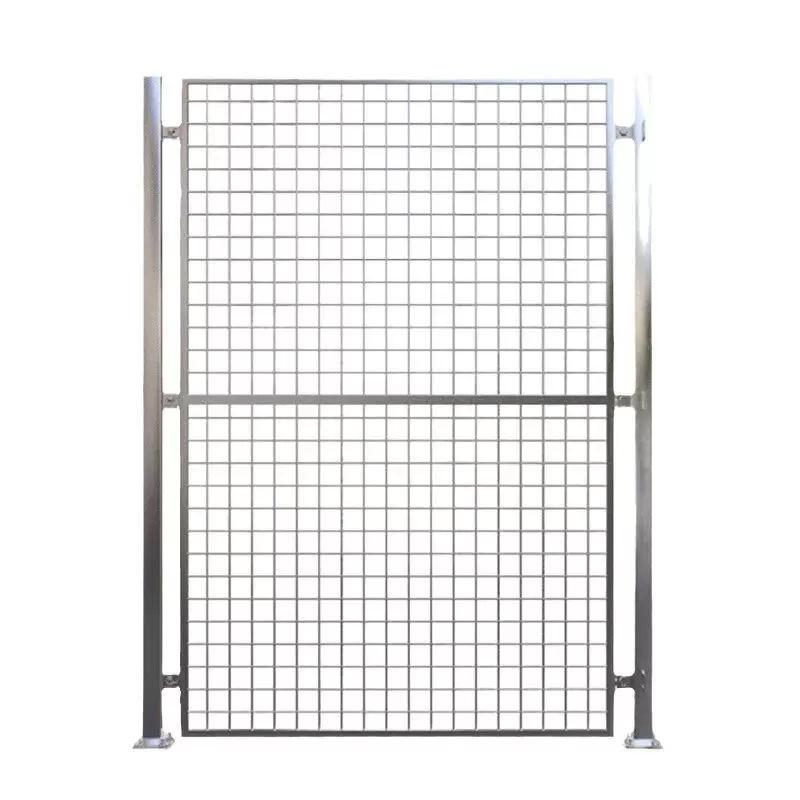
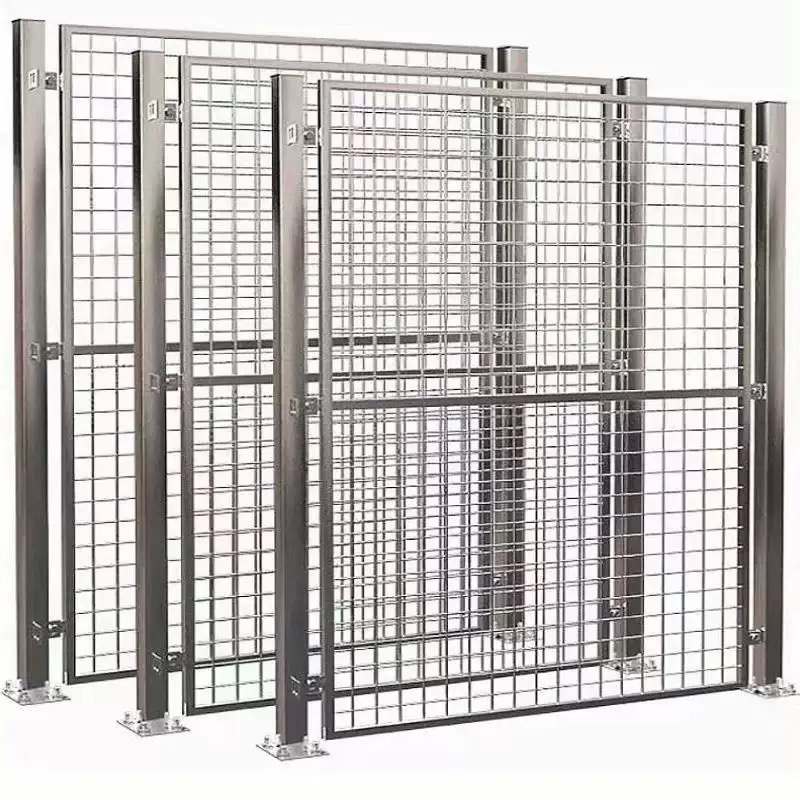
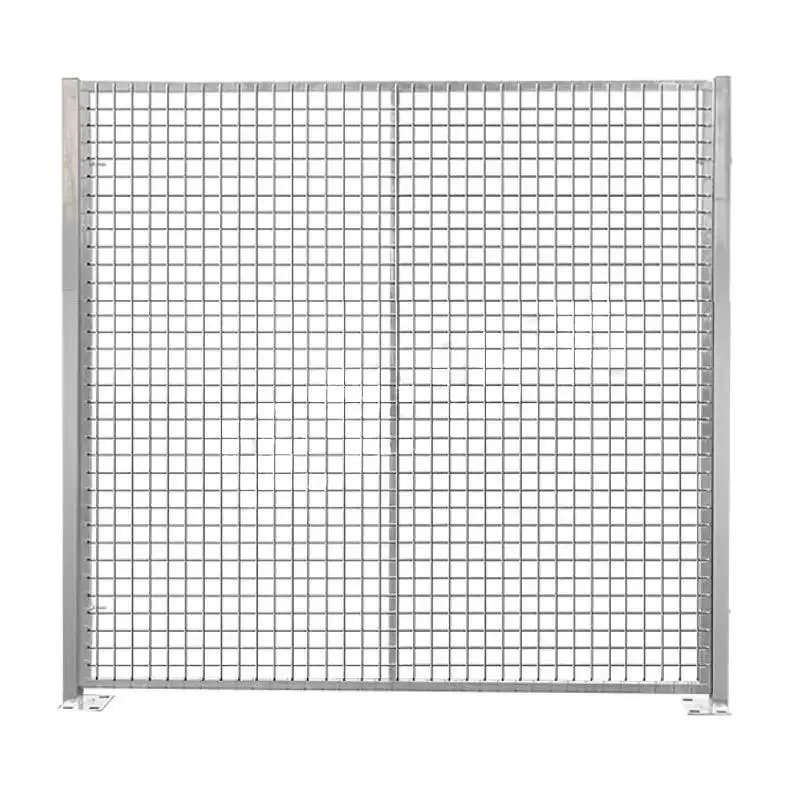
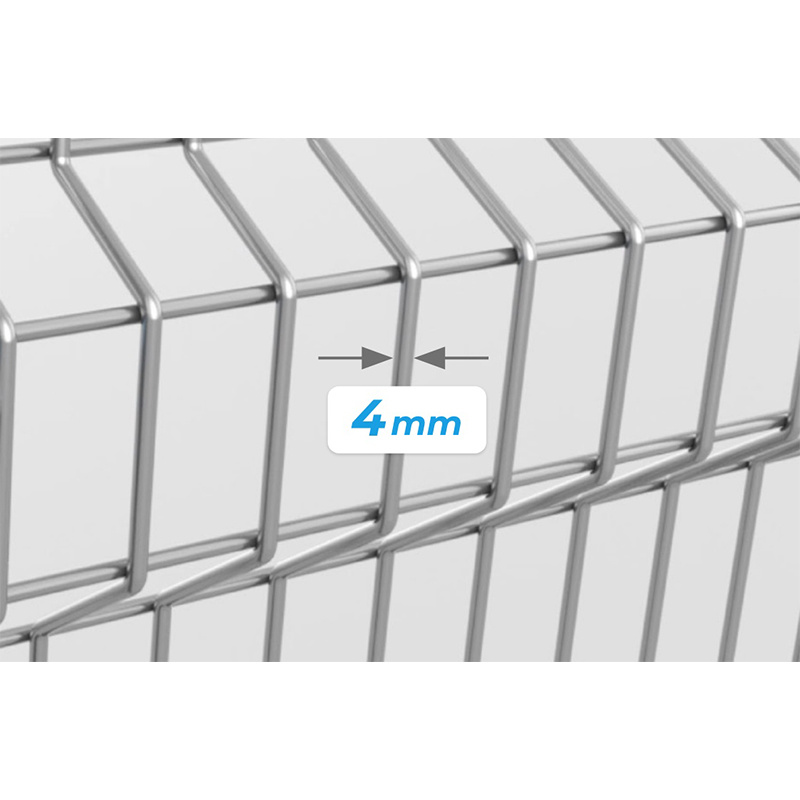
Mesh Fencing
Mesh fencing combines visibility and security, making it ideal for both crowd control and providing an unobstructed view of events. It is commonly used in sporting events and concerts.
Barrier Fencing
Barrier fencing, often made of heavy-duty materials like steel, is used for high-security areas and events where crowd control is critical. It is robust and can withstand significant pressure.
4. Applications of Temporary Safety Fencing
Temporary safety fencing has a wide range of applications across various industries:
Event Management
At concerts, festivals, and sporting events, temporary safety fencing helps manage crowds, creating safe zones for attendees and staff alike.
Construction Sites
In construction, fencing keeps unauthorized individuals out, ensuring safety for workers and the public. It also serves to delineate hazardous areas.
Emergency Situations
During emergencies, such as natural disasters or public health crises, temporary fencing can quickly establish safe zones, direct evacuations, or limit access to dangerous areas.
Public Gatherings
For public gatherings like parades and fairs, temporary fencing helps maintain safety and order, guiding pedestrians and vehicles safely.
5. Best Practices for Implementing Temporary Fencing
To maximize the effectiveness of temporary safety fencing, adhere to the following best practices:
Assessment of the Area
Before setting up fencing, conduct a thorough assessment of the area. Identify potential hazards, high-traffic zones, and areas that require restricted access.
Clear Communication
Ensure that all staff and participants understand the purpose of the fencing. Clear signage and communication are essential to avoid confusion.
Regular Inspections
Conduct regular inspections of the fencing throughout the event or project. This ensures that it remains secure, properly installed, and free from damage.
Adaptability
Be prepared to adjust the fencing layout as needed. Crowd dynamics can change, and flexibility is key to maintaining safety.
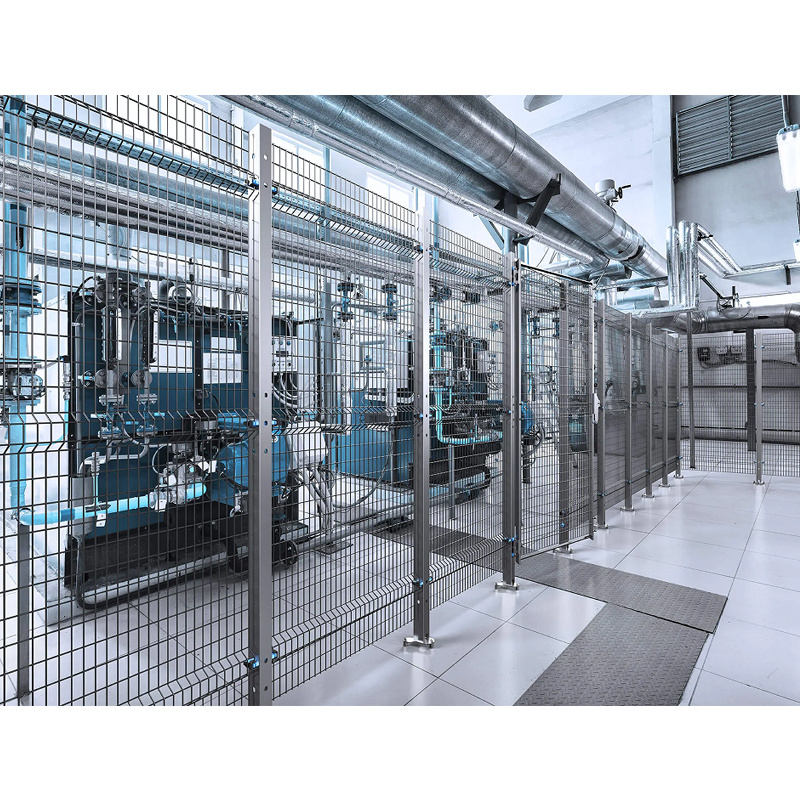
6. Temporary Fencing in Industrial Settings
In industrial environments, temporary fencing is beneficial for various safety protocols:
Hazardous Areas
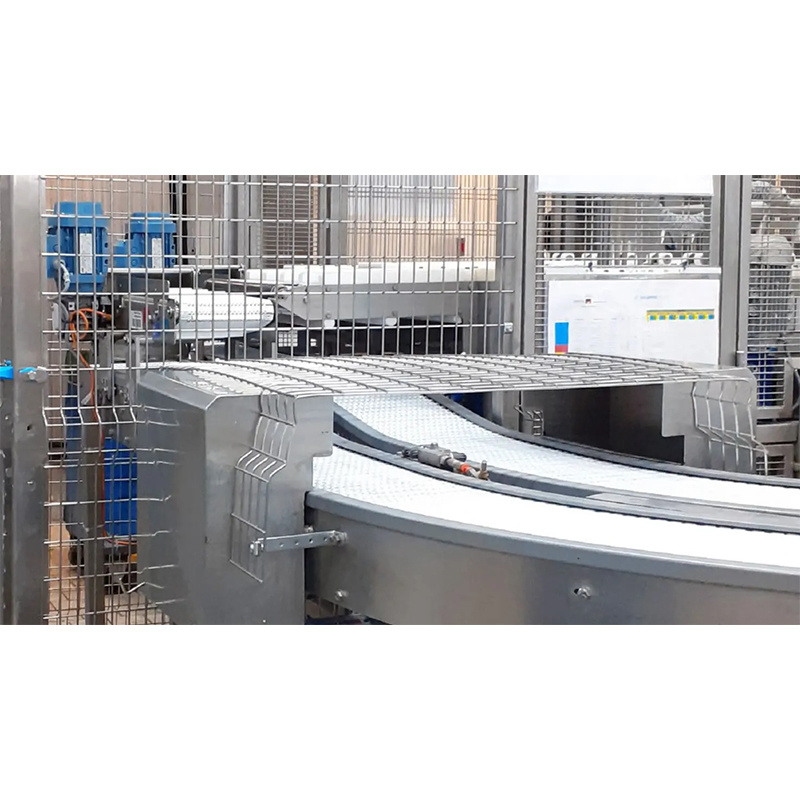
Temporary fencing can delineate hazardous areas, ensuring that workers and visitors stay clear of dangerous equipment or processes.
Workforce Management
It helps manage the flow of workers and restricts access to certain zones, promoting a safer work environment.
Compliance with Regulations
Using temporary fencing in compliance with safety regulations is crucial for industrial facilities. It helps meet OSHA requirements and reduce liability.
7. Regulatory Compliance and Safety Standards
Understanding and adhering to regulatory compliance is essential when implementing temporary safety fencing. Various standards govern its use, ensuring safety for events and construction sites. Familiarize yourself with local laws and guidelines to avoid potential fines or legal issues.
Using temporary fencing not only enhances safety but also demonstrates a commitment to responsible event management. Always consult with regulatory bodies to ensure compliance and make necessary adjustments based on evolving safety standards.
8. Frequently Asked Questions
1. How long can temporary fencing be used?
Temporary fencing can be utilized for various durations, depending on the event or need. Typically, it is designed for short-term use but can be deployed for extended periods as long as it remains compliant with safety standards.
2. Is temporary fencing safe for large crowds?
Absolutely. When properly installed and maintained, temporary fencing can significantly enhance safety for large crowds by directing foot traffic and preventing access to hazardous areas.
3. Can temporary fencing be customized?
Yes, temporary fencing can be customized in terms of height, materials, and styling to meet the specific needs of different events or environments.
4. What materials are temporary fences made of?
Temporary fences are typically made from materials like chain link, plastic, mesh, or heavy-duty steel, depending on the required strength and application.
5. How do I choose the right type of temporary fencing for my event?
Choosing the right type of temporary fencing depends on factors like the size of the crowd, the nature of the event, and specific safety requirements. Consulting with a professional can help identify the best option.
Conclusion
Temporary safety fencing is an invaluable asset for enhancing crowd control in various settings. Its ability to provide clear boundaries, promote safety, and manage pedestrian traffic ensures a secure environment for attendees, workers, and the public. By understanding the types, benefits, and best practices associated with temporary fencing, organizations can effectively implement this tool, ensuring successful events and safe work environments. Emphasizing safety through the appropriate use of temporary fencing not only protects individuals but also enhances the overall experience at any gathering or industrial setting.
Hot Products