
Enhancing Warehouse Safety: The Role of Safety Barriers
Release Time:
Feb 01,2026
In any warehousing environment, safety is of utmost importance. One critical element in achieving a safe working atmosphere is the implementation of warehouse safety barriers. These barriers serve as protective measures that help reduce the risk of accidents, injuries, and property damage, thereby fostering a safer workplace for all employees. Warehouse safety barriers come in various forms, inclu
In any warehousing environment, safety is of utmost importance. One critical element in achieving a safe working atmosphere is the implementation of warehouse safety barriers. These barriers serve as protective measures that help reduce the risk of accidents, injuries, and property damage, thereby fostering a safer workplace for all employees.
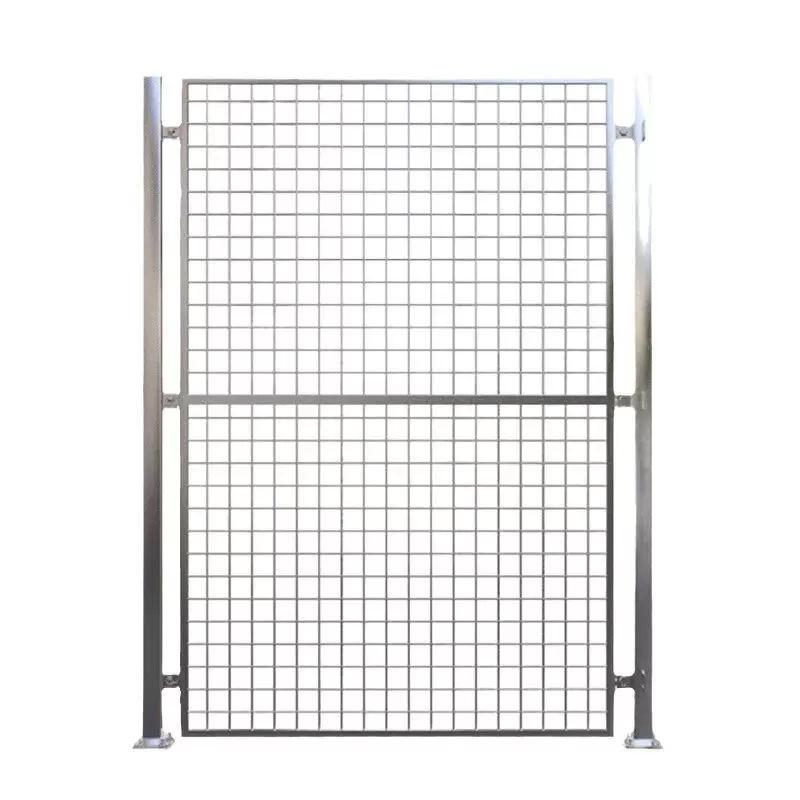
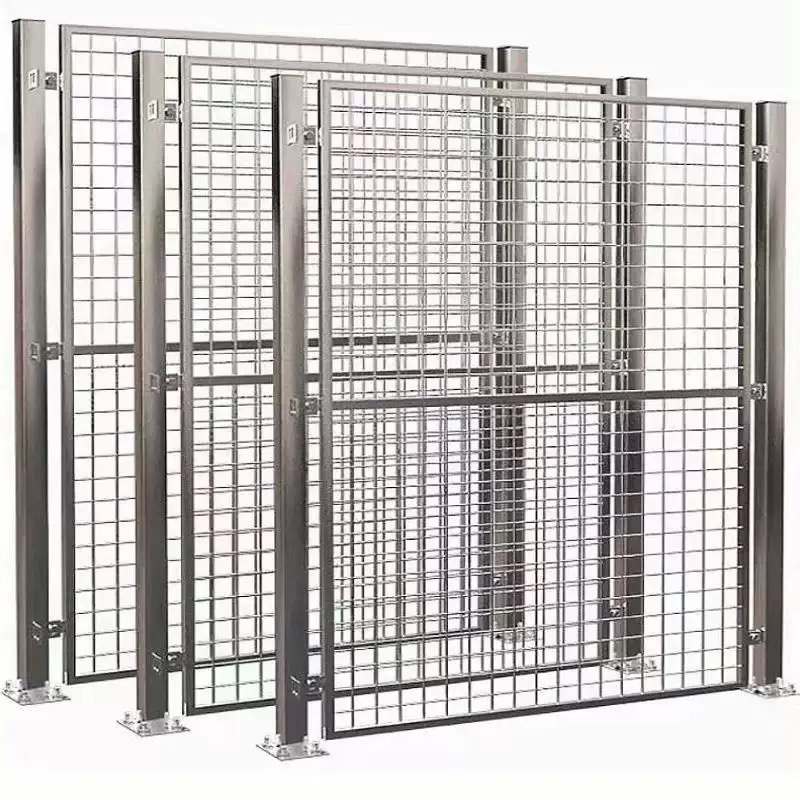
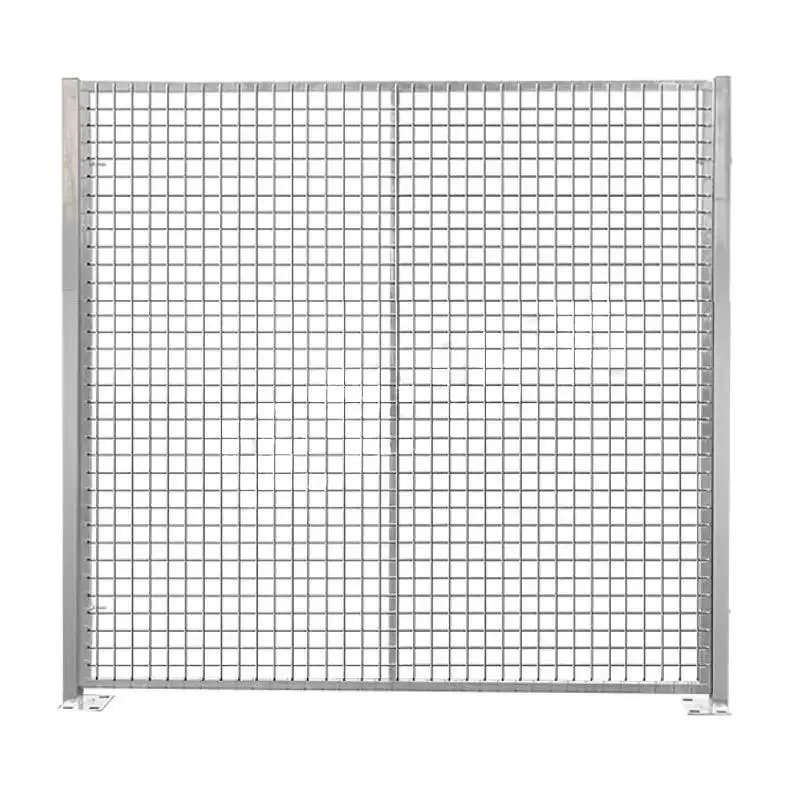
Warehouse safety barriers come in various forms, including bollards, guardrails, and flexible barriers. Each type is designed to address specific safety concerns. For instance, bollards are often used to protect equipment and structures from vehicles, while guardrails can prevent falls from elevated platforms. Flexible barriers, on the other hand, are ideal for delineating walkways and vehicle paths in dynamic warehouse settings.
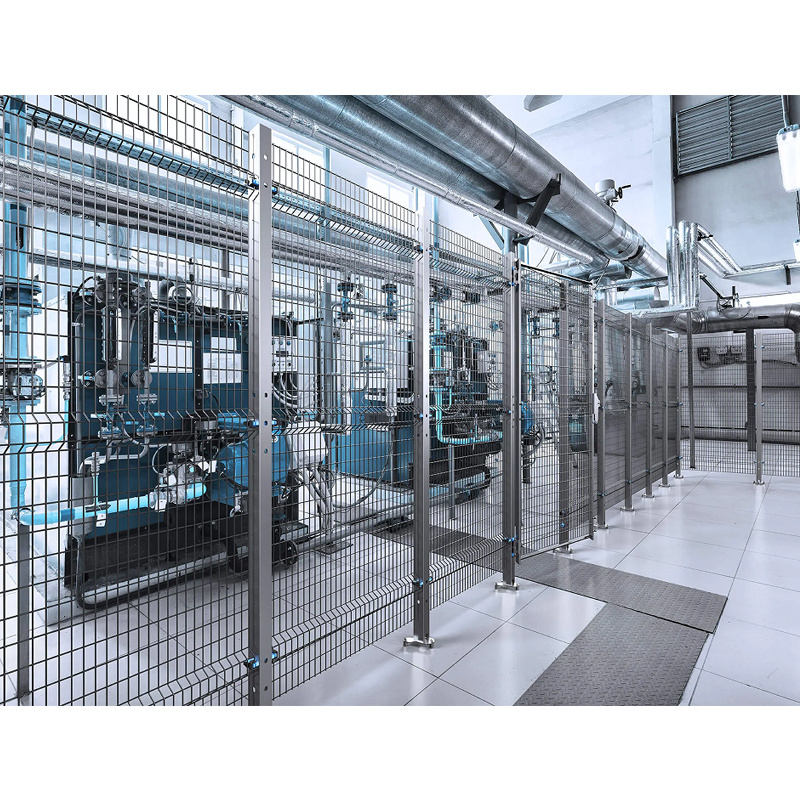
The primary function of these safety barriers is to create clear boundaries between pedestrian walkways and heavy machinery or vehicle traffic. This delineation is crucial in minimizing the chances of accidents, especially in busy warehouses where forklifts and hand trucks frequently operate. By clearly marking these areas, employees can navigate the workspace more confidently, knowing their safety is prioritized.
Moreover, warehouse safety barriers can protect valuable inventory and equipment from potential damage caused by accidental collisions. This not only safeguards physical assets but also helps reduce downtime and maintenance costs associated with damaged goods or equipment. When selecting safety barriers, it’s essential to consider the specific needs of your warehouse, such as the types of vehicles used and the overall layout of the facility.
Installing warehouse safety barriers is only the first step; regular inspections and maintenance are vital to ensure their effectiveness over time. Employees should be trained on the importance of these barriers and how to identify any wear or damage that may compromise their safety features. Implementing a routine safety audit can help maintain high safety standards within the warehouse.
In conclusion, warehouse safety barriers play a pivotal role in promoting safety and efficiency. By providing a clear distinction between pedestrian and vehicular areas, they not only protect employees but also safeguard the integrity of the facility's operations. Investing in high-quality safety barriers and prioritizing their maintenance can lead to a significantly safer work environment, which is essential in today’s fast-paced warehousing operations.
Hot Products