
Ensuring Safety in the Workplace: The Importance of Machine Safety Fencing
Release Time:
Feb 07,2026
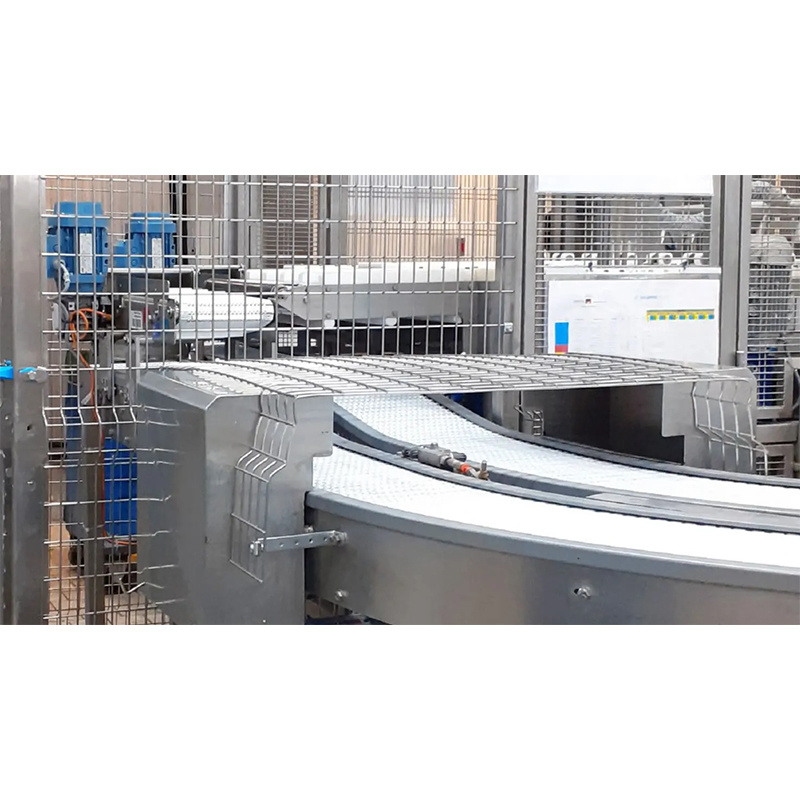
Machine safety fencing is a critical aspect of industrial safety that provides a physical barrier between workers and potentially hazardous machinery. These fences are designed to prevent unauthorized access to dangerous areas, thereby reducing the risk of accidents and injuries. By clearly delineating safe zones, machine safety fencing creates a controlled environment where operators can work wit
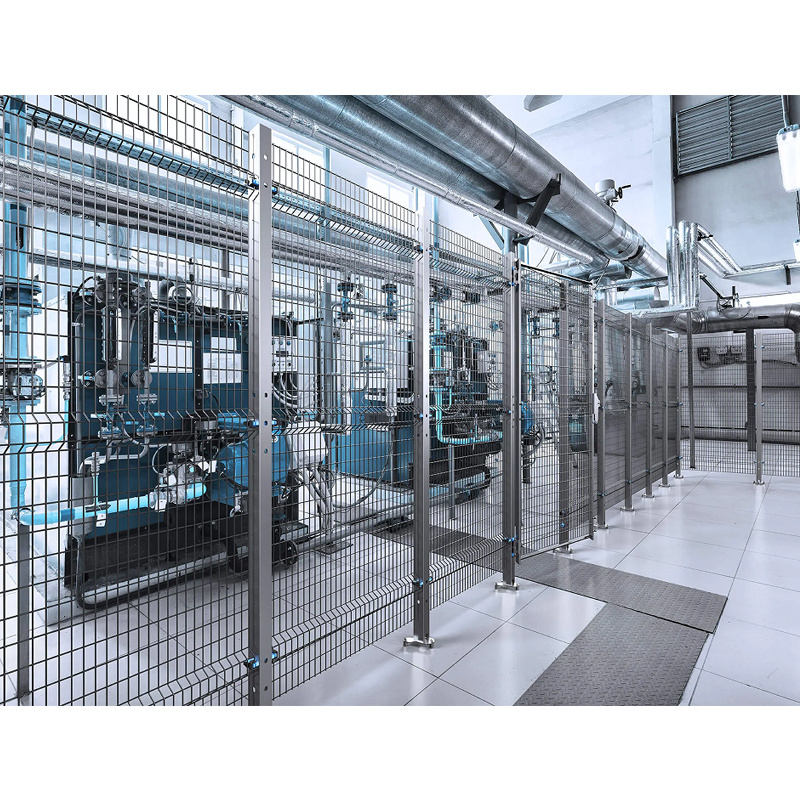
Machine safety fencing is a critical aspect of industrial safety that provides a physical barrier between workers and potentially hazardous machinery. These fences are designed to prevent unauthorized access to dangerous areas, thereby reducing the risk of accidents and injuries. By clearly delineating safe zones, machine safety fencing creates a controlled environment where operators can work with machinery without being exposed to unnecessary risks.
One of the primary benefits of machine safety fencing is its ability to enhance worker awareness. When employees notice the presence of safety barriers, they are more likely to remain vigilant and adhere to safety protocols. This heightened awareness not only protects individual workers but also fosters a culture of safety within the organization. Moreover, machine safety fencing can be customized to fit various layouts and operational requirements, making it a versatile solution for different industries, including financial and commercial electronics.
In addition to physical protection, machine safety fencing plays a crucial role in compliance with regulatory standards. Many industries are governed by specific safety regulations that mandate the use of protective measures around machinery. By incorporating machine safety fencing, businesses can demonstrate their commitment to adhering to these regulations, thus minimizing legal liabilities and potential fines. Moreover, compliance with safety standards can enhance a company's reputation and instill confidence among clients and stakeholders.
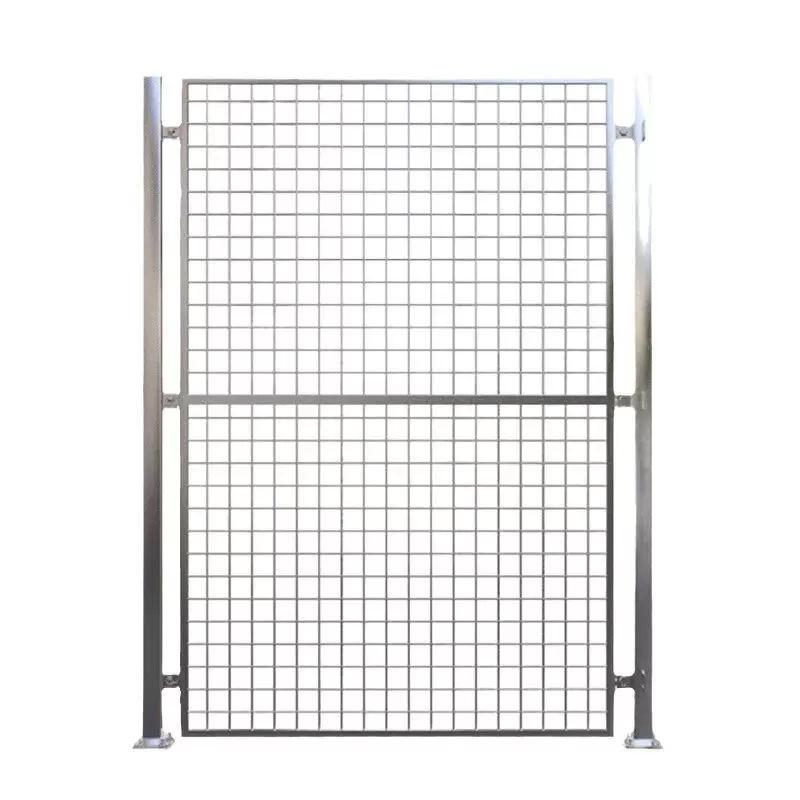
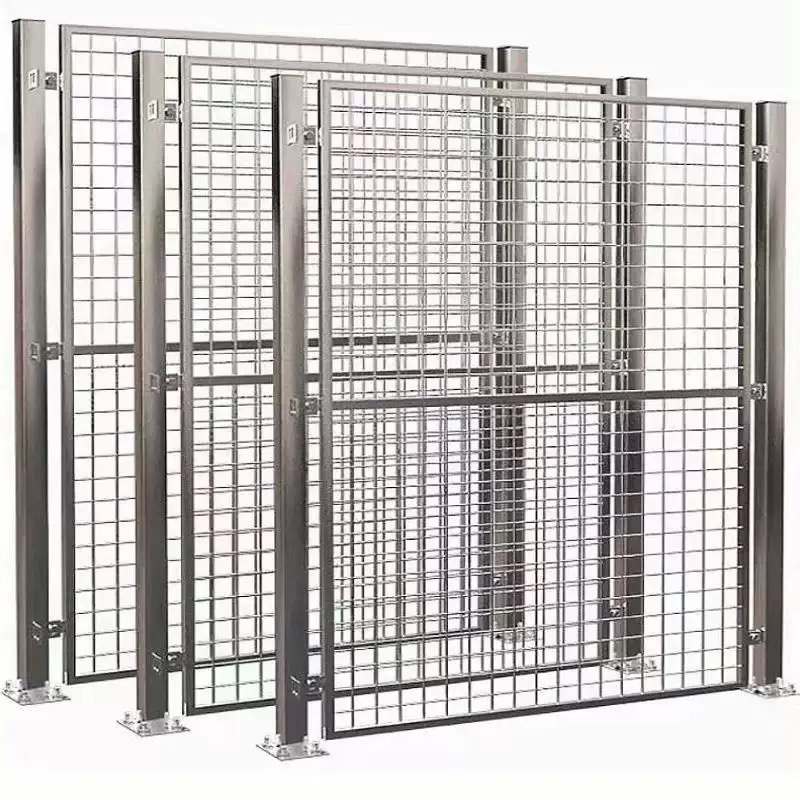
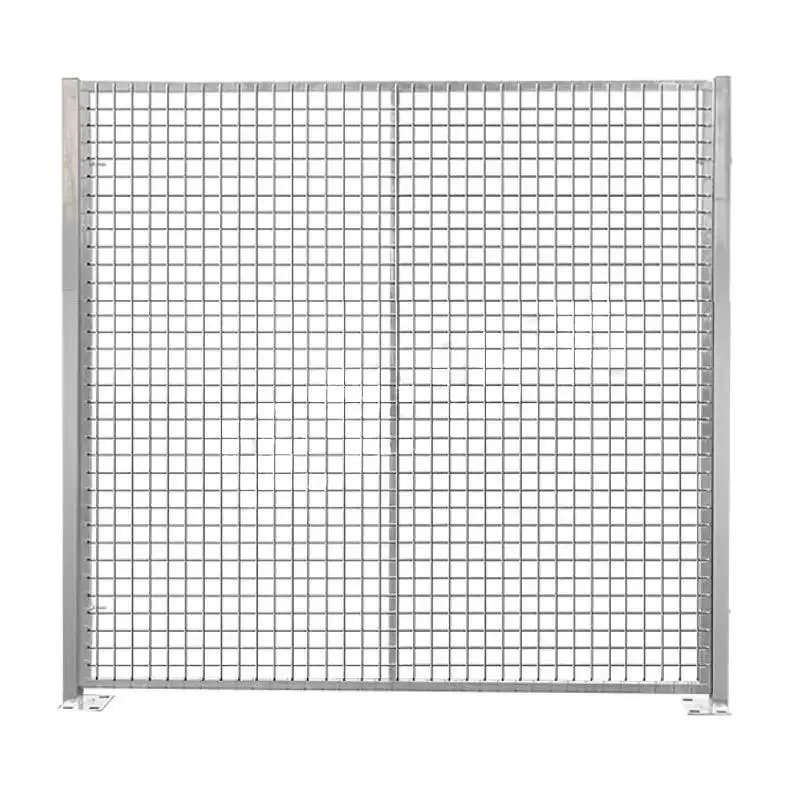
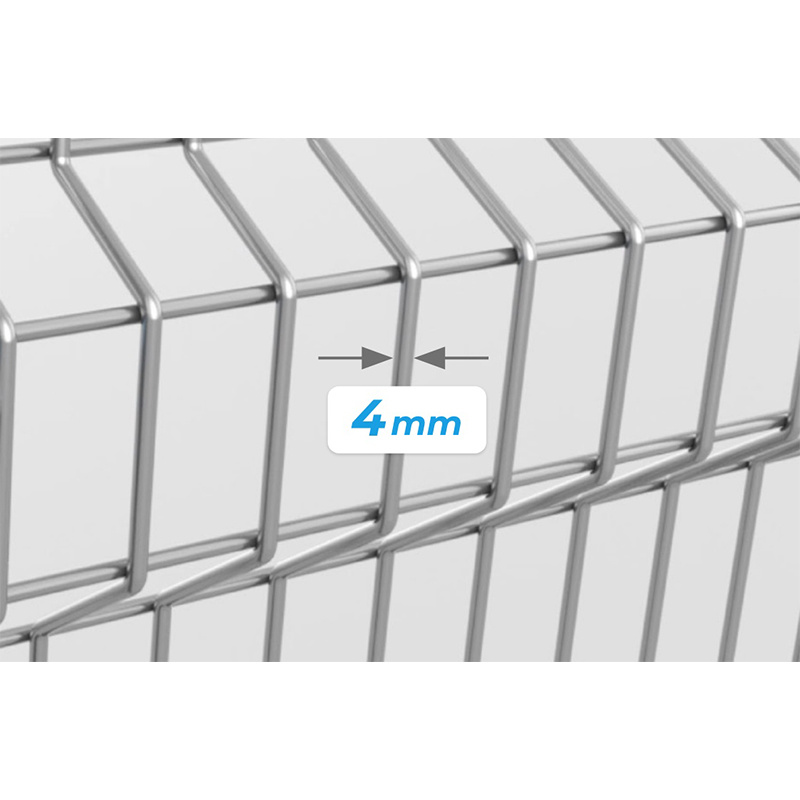
The design of machine safety fencing is another essential aspect to consider. These fences can be constructed from various materials, including metal, plastic, or wire mesh, depending on the specific safety needs of the operation. Features such as visibility panels, interlocking gates, and emergency access points can be integrated to improve functionality and safety. This adaptability ensures that machine safety fencing can be tailored to meet the unique demands of any workspace.
Furthermore, machine safety fencing can be an integral part of a comprehensive safety strategy. By combining these barriers with other safety measures, such as lockout/tagout systems and safety training programs, organizations can create a robust safety culture. This holistic approach not only protects employees but can also lead to increased productivity, reduced downtime, and improved employee morale.
In summary, machine safety fencing is an indispensable element of workplace safety in the industrial sector. By providing a physical barrier, enhancing worker awareness, ensuring regulatory compliance, and integrating with other safety measures, machine safety fencing contributes significantly to creating a safer work environment. Investing in these safety solutions is not just about adhering to regulations; it's about prioritizing the well-being of employees and fostering a culture of safety that benefits everyone involved.
Hot Products