
The Essential Guide to Equipment Guard Fencing for Secure Events
Release Time:
Mar 15,2026
--- Equipment guard fencing is an essential component in safeguarding equipment and assets during various events and commercial activities. Often overlooked, these barriers play a pivotal role in maintaining security, organizing spaces, and ensuring compliance with safety regulations. This guide aims to provide a comprehensive understanding of equipment guard fencing, its benefits, and how to util
---
Equipment guard fencing is an essential component in safeguarding equipment and assets during various events and commercial activities. Often overlooked, these barriers play a pivotal role in maintaining security, organizing spaces, and ensuring compliance with safety regulations. This guide aims to provide a comprehensive understanding of equipment guard fencing, its benefits, and how to utilize it effectively.
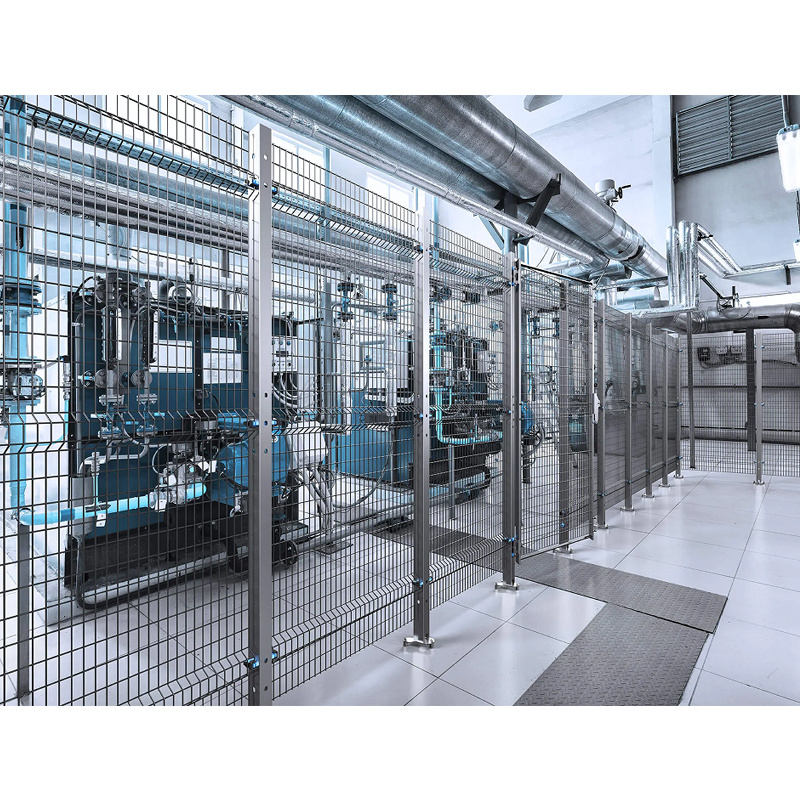
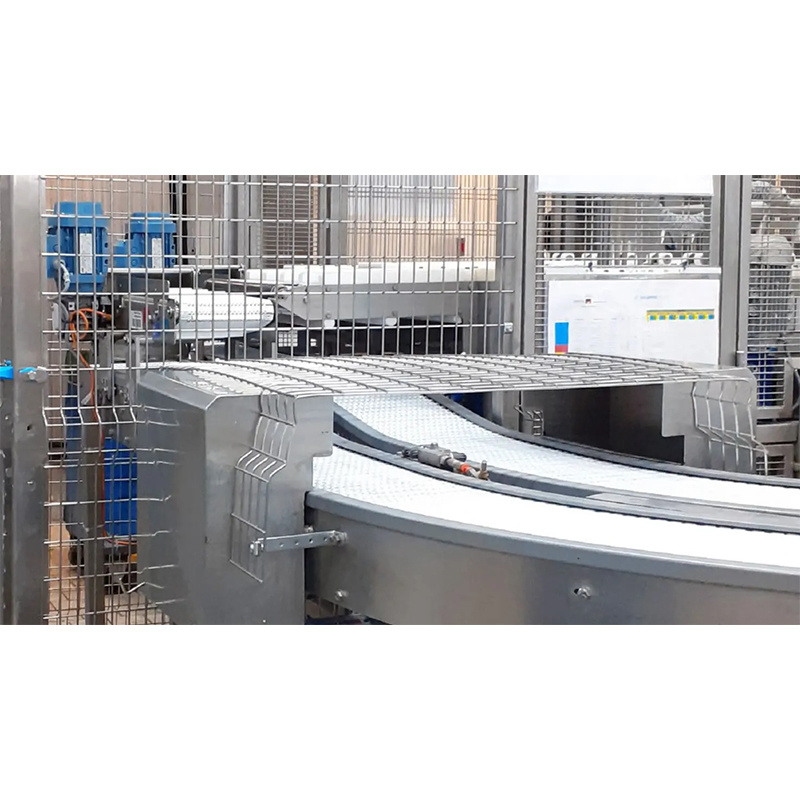
At its core, equipment guard fencing serves as a physical barrier to protect valuable items from unauthorized access or potential damage. In environments such as trade shows, festivals, or construction sites, where high-value electronic equipment is prevalent, robust fencing can deter theft and vandalism. By establishing clear boundaries, guard fencing helps to control the flow of foot traffic, ensuring that only authorized personnel can approach sensitive areas.
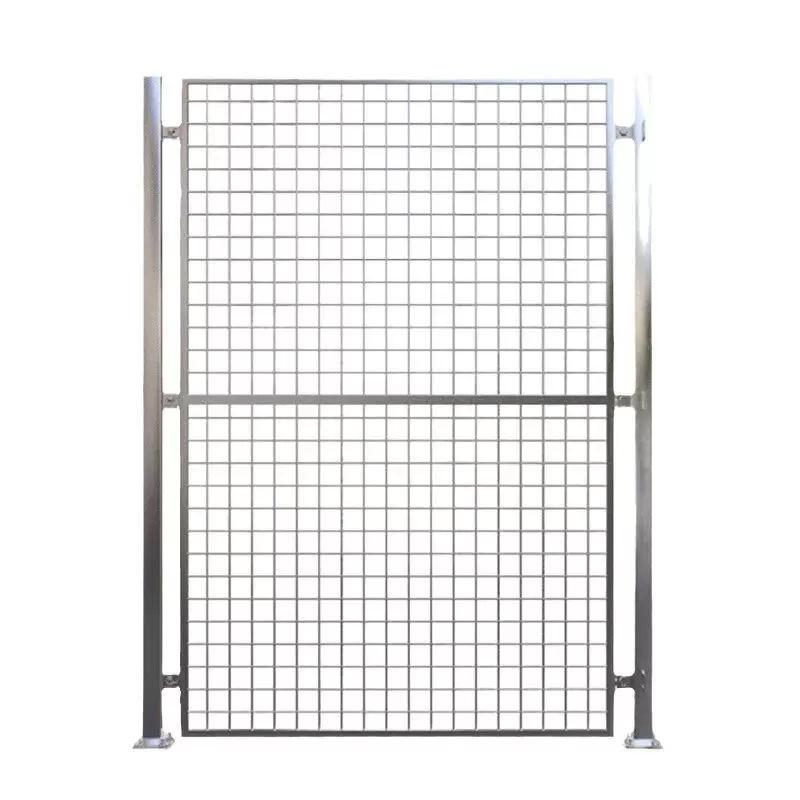
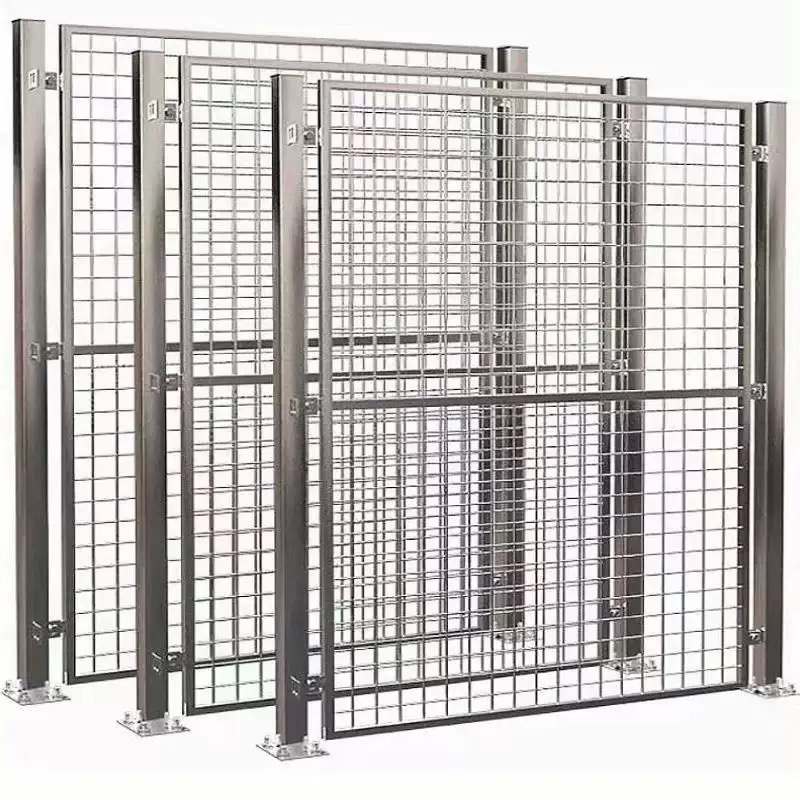
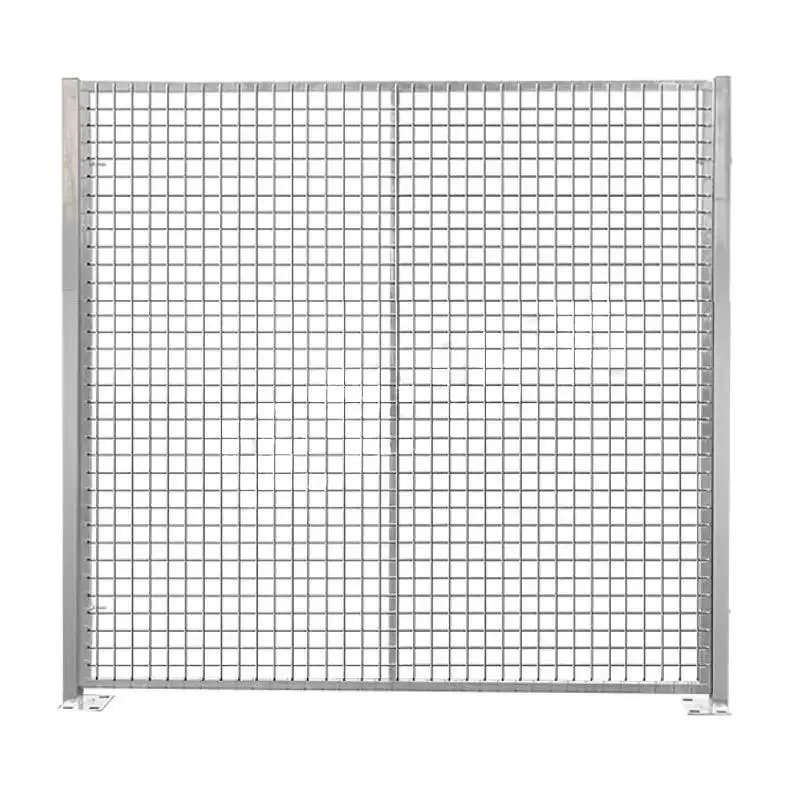
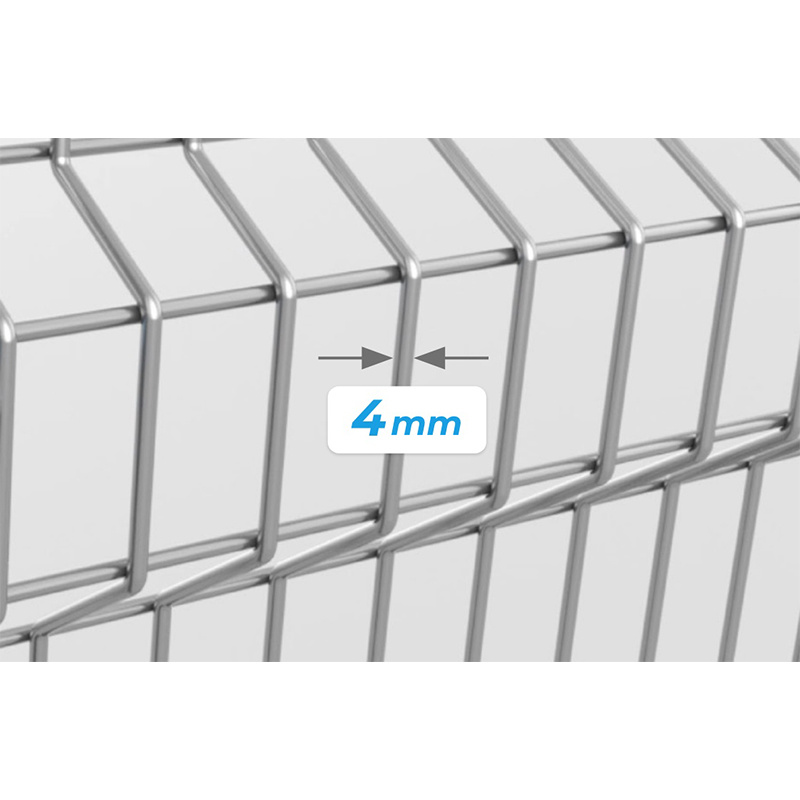
One of the primary advantages of using equipment guard fencing is its versatility. Available in various materials, including chain link, vinyl, and mesh, these fences can be tailored to meet specific needs. For instance, a mesh fence can provide visibility while maintaining security, making it ideal for events where spectators may need to view the equipment without gaining access. Additionally, many fencing options are portable and easy to set up, making them a convenient choice for temporary installations.
Another significant aspect to consider is regulatory compliance. Depending on the nature of the event or the industry, there may be specific regulations regarding safety and security measures. Equipment guard fencing can help meet these requirements, ensuring that operations run smoothly without legal complications. It serves as a proactive approach to risk management, safeguarding both personnel and property.
When planning to implement equipment guard fencing, it’s essential to assess the unique needs of your event or commercial space. Factors to consider include the size and layout of the area, the type of equipment that needs protection, and the expected foot traffic. Additionally, selecting the right type of fencing—whether it be permanent or temporary—can significantly impact the overall effectiveness of your security measures.
In conclusion, equipment guard fencing is a crucial element in maintaining the integrity and safety of events and commercial spaces. By understanding its benefits and implementing it correctly, organizations can enhance their security posture, protect valuable assets, and ensure a seamless experience for attendees and staff alike. Investing in quality guard fencing not only contributes to safeguarding equipment but also fosters a secure environment that promotes business success.
Hot Products