
Choosing the Right Temporary Safety Fencing for Your Event: A Comprehensive Guide
Release Time:
Apr 05,2026
Choosing the Right Temporary Safety Fencing for Your Event Table of Contents 1. Introduction to Temporary Safety Fencing 2. Types of Temporary Safety Fencing 2.1 Chain-Link Fencing 2.2 Plastic Safety Fencing 2.3 Barricades 2.4 Crowd Control Fencing 3. Factors to Consider When Choosing Temporary Fencing
Choosing the Right Temporary Safety Fencing for Your Event
Table of Contents
- 1. Introduction to Temporary Safety Fencing
- 2. Types of Temporary Safety Fencing
- 3. Factors to Consider When Choosing Temporary Fencing
- 4. Compliance and Regulations
- 5. Safety Considerations for Temporary Fencing
- 6. Setting Up Temporary Fencing
- 7. Maintaining Temporary Fencing
- 8. Conclusion
- 9. Frequently Asked Questions
1. Introduction to Temporary Safety Fencing
When organizing an event, ensuring the **safety of attendees** is paramount. Temporary safety fencing serves as a crucial element in maintaining order and protecting guests from potential hazards. Whether you are planning a festival, a sporting event, or a corporate gathering, the right fencing can enhance the safety and functionality of your venue. This guide aims to provide comprehensive insights into selecting the best temporary fencing for your needs.
2. Types of Temporary Safety Fencing
Understanding the different types of temporary safety fencing available is essential for choosing the right solution for your event. Each type has its specific applications, advantages, and limitations.
2.1 Chain-Link Fencing
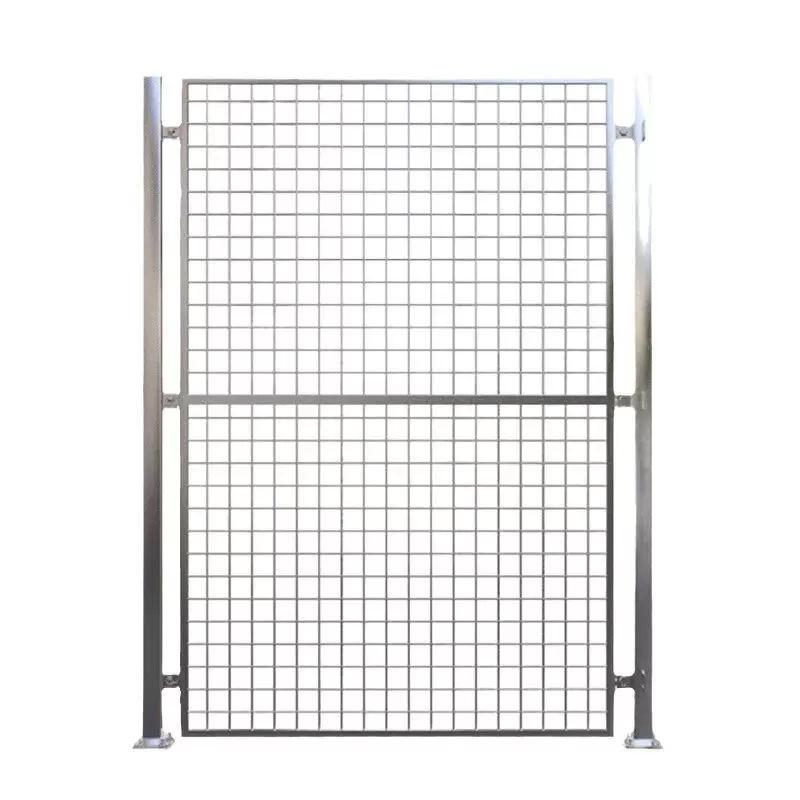
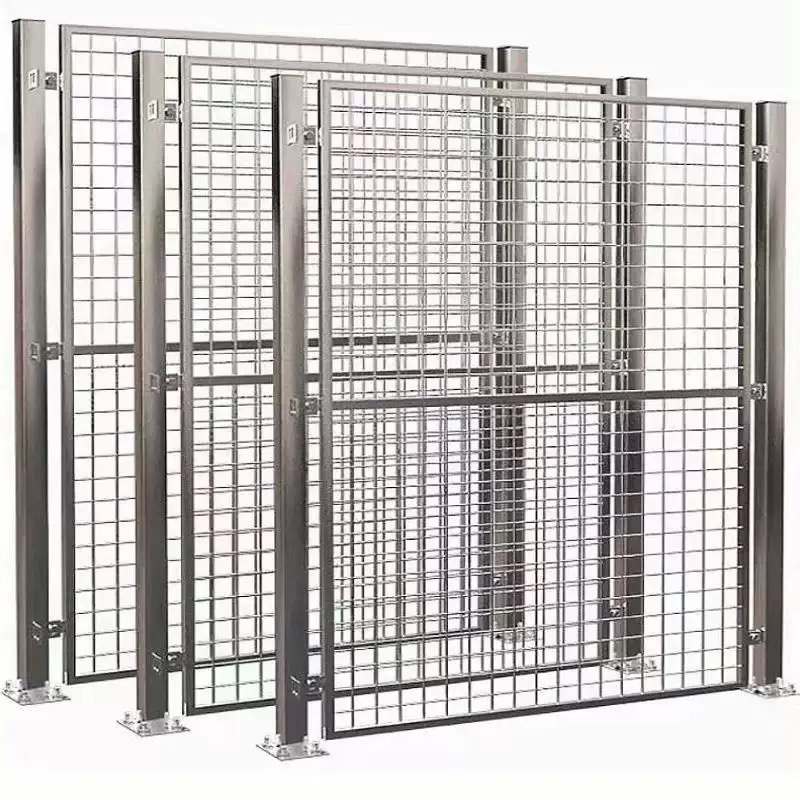
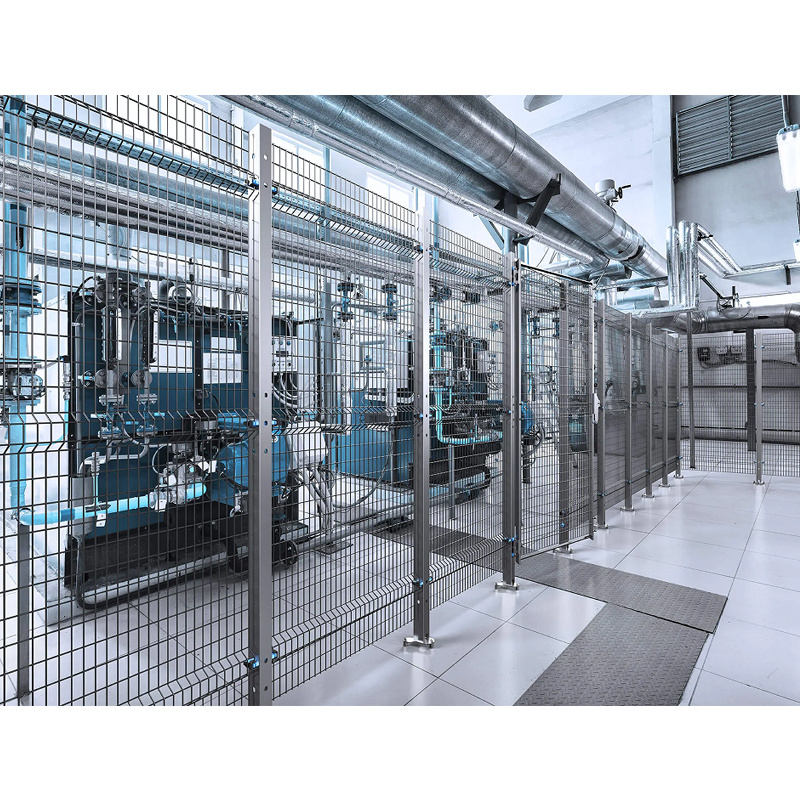
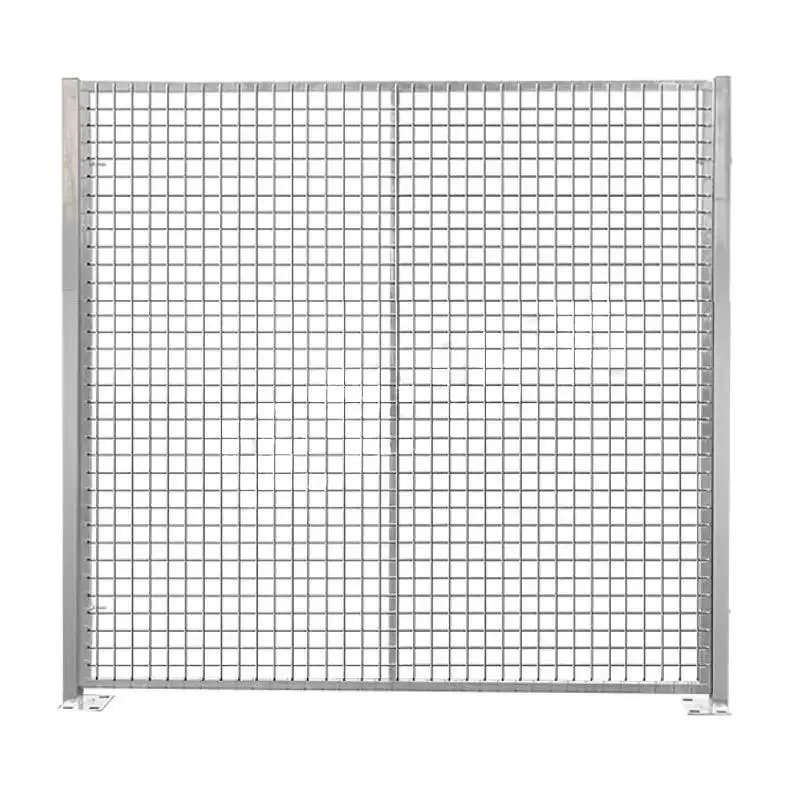
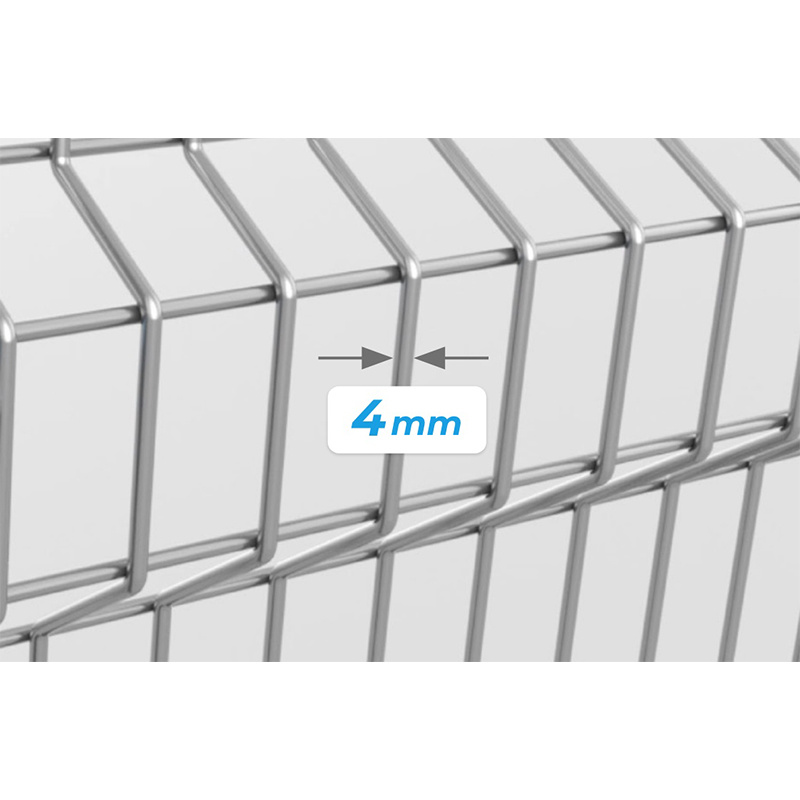
**Chain-link fencing** is one of the most popular options for temporary safety needs. It consists of interlocking steel wire, creating a durable barrier. This type of fencing is ideal for events requiring crowd control or securing hazardous areas. Its transparency allows visibility while maintaining a secure perimeter.
2.2 Plastic Safety Fencing
Lightweight and easy to install, **plastic safety fencing** is often used for marking off areas in construction sites and public events. Available in various colors, it is highly visible and effective at directing foot traffic. However, it may not provide the same level of security as metal options.
2.3 Barricades
**Barricades** are sturdy enough to withstand crowd pressure and can be utilized for directing attendees and creating safe pathways. They are especially useful for outdoor festivals, marathons, and sporting events. Many barricades are designed to be stackable, making them convenient for transport and storage.
2.4 Crowd Control Fencing
Designed specifically for managing large groups, **crowd control fencing** is essential for events with expected high foot traffic. This type of fencing typically consists of interconnected panels that can be configured in various layouts, allowing for flexibility in managing crowd flow.
3. Factors to Consider When Choosing Temporary Fencing
Selecting the right temporary fencing involves evaluating several factors to ensure it meets your event’s unique needs.
3.1 Type of Event
The nature of your event plays a significant role in determining the fencing type. For example, a music festival may require more robust barricades than a casual community gathering. Understanding the specific requirements of your event will guide your choice.
3.2 Location of the Event
Assessing the event location is crucial for selecting appropriate fencing. Outdoor venues may face different challenges, such as wind and uneven terrain, compared to indoor settings. Ensure the chosen fencing can withstand local environmental conditions.
3.3 Budget Constraints
Your budget will significantly influence your fencing options. Temporary fencing can vary widely in cost, so it’s essential to find a balance between quality and affordability. Investing in durable materials can save you money in the long run by reducing the need for repairs or replacements.
3.4 Setup and Dismantling Time
Consider the time available for setting up and dismantling the fencing. Some types are quicker and easier to install than others. If you're working with a tight timeline, prioritize fencing solutions that streamline the installation process.
4. Compliance and Regulations
Understanding local regulations and compliance requirements is vital when choosing temporary safety fencing. Depending on the type and scale of your event, there may be specific guidelines regarding height, visibility, and materials. Always consult local authorities and ensure your fencing meets necessary standards to avoid fines or enforcement actions.
5. Safety Considerations for Temporary Fencing
Safety should always be a top priority when selecting temporary fencing. Here are some key considerations:
1. **Stability**: Ensure the fencing is securely anchored to prevent tipping or collapse.
2. **Visibility**: High-visibility colors or reflective elements can help attendees navigate safely.
3. **Access Points**: Designate clear entry and exit points to facilitate crowd movement.
4. **Inspection**: Regularly inspect the fencing during the event to address any issues that may arise.
6. Setting Up Temporary Fencing
Proper setup is crucial to maximize the effectiveness of your temporary fencing.
6.1 Planning the Layout
Before installation, create a detailed layout that outlines where the fencing will be placed. Consider factors such as crowd flow, access points, and any potential hazards that need to be secured. A well-planned layout will enhance safety and improve the overall event experience.
6.2 Installation Tips
- **Follow manufacturer guidelines**: Always adhere to the specific installation instructions provided by the fencing manufacturer.
- **Use appropriate tools**: Ensure you have the necessary tools and equipment for a secure setup.
- **Enlist help**: Have a team on hand to assist with installation for efficiency and safety.
7. Maintaining Temporary Fencing
Maintaining your temporary fencing throughout the event is essential to ensure ongoing safety and effectiveness. Here are a few maintenance tips:
- **Regular checks**: Monitor the condition of the fencing frequently and make adjustments as needed.
- **Address damages immediately**: Repair any damages or weaknesses in the fencing promptly.
- **Clear debris**: Keep the area around the fencing clear of debris to prevent any hazards.
8. Conclusion
Choosing the right temporary safety fencing is a critical aspect of event planning that should not be overlooked. By understanding the different types of fencing available, considering key factors like event type and location, and ensuring compliance with regulations, you can create a safe environment for all attendees. With careful planning and maintenance, the right choice of fencing will not only enhance safety but also contribute to the overall success of your event.
9. Frequently Asked Questions
What is the most common type of temporary safety fencing used for events?
The most common type of temporary safety fencing used for events is chain-link fencing due to its durability and visibility.
How far in advance should I order temporary fencing?
It is advisable to order temporary fencing at least 2-4 weeks before the event to ensure availability and allow for proper setup.
Can I rent temporary fencing instead of buying it?
Yes, many companies offer temporary fencing rentals, which can be a cost-effective solution for short-term events.
What is the average cost of temporary safety fencing?
The cost varies significantly based on material and length, but budgeting between $1 to $3 per linear foot is common for temporary fencing.
Do I need a permit for temporary fencing at my event?
In many cases, yes. It’s essential to check with local authorities to determine if a permit is required for your specific event and location.
By taking the time to choose the right temporary fencing, you are investing in the safety and success of your event, ensuring that everyone can enjoy themselves without unnecessary risks.
Hot Products