
Enhancing Warehouse Safety: The Essential Role of Safety Barriers
Release Time:
Apr 08,2026
In the fast-paced environment of warehouses, safety must be a top priority. One of the most effective tools for ensuring safety is the use of warehouse safety barriers. These barriers play a crucial role in protecting both employees and inventory by creating designated zones, preventing accidental collisions, and controlling access to hazardous areas. Warehouse safety barriers come in various desi
In the fast-paced environment of warehouses, safety must be a top priority. One of the most effective tools for ensuring safety is the use of warehouse safety barriers. These barriers play a crucial role in protecting both employees and inventory by creating designated zones, preventing accidental collisions, and controlling access to hazardous areas.
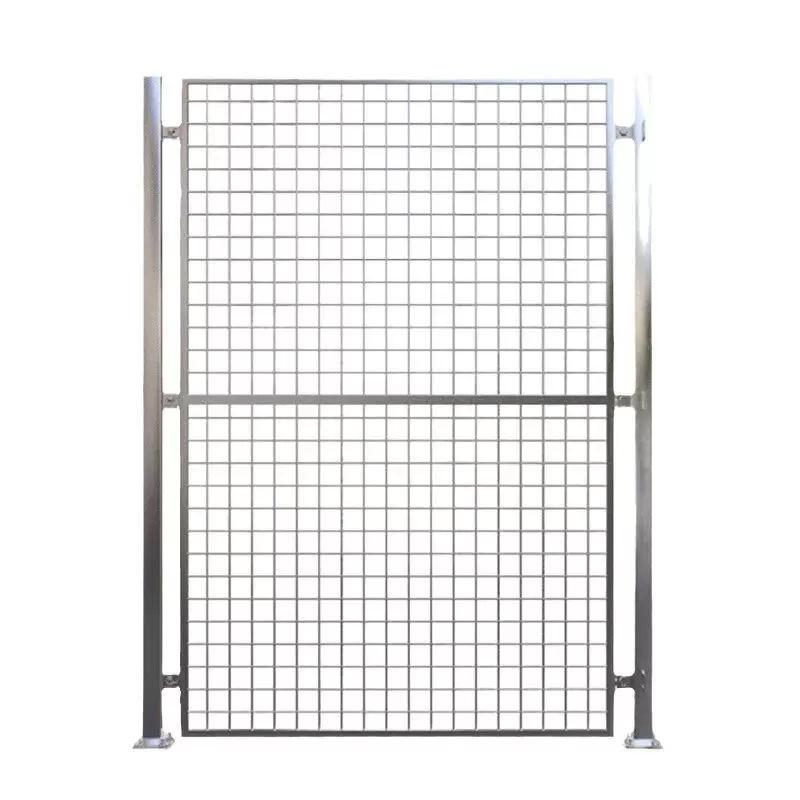
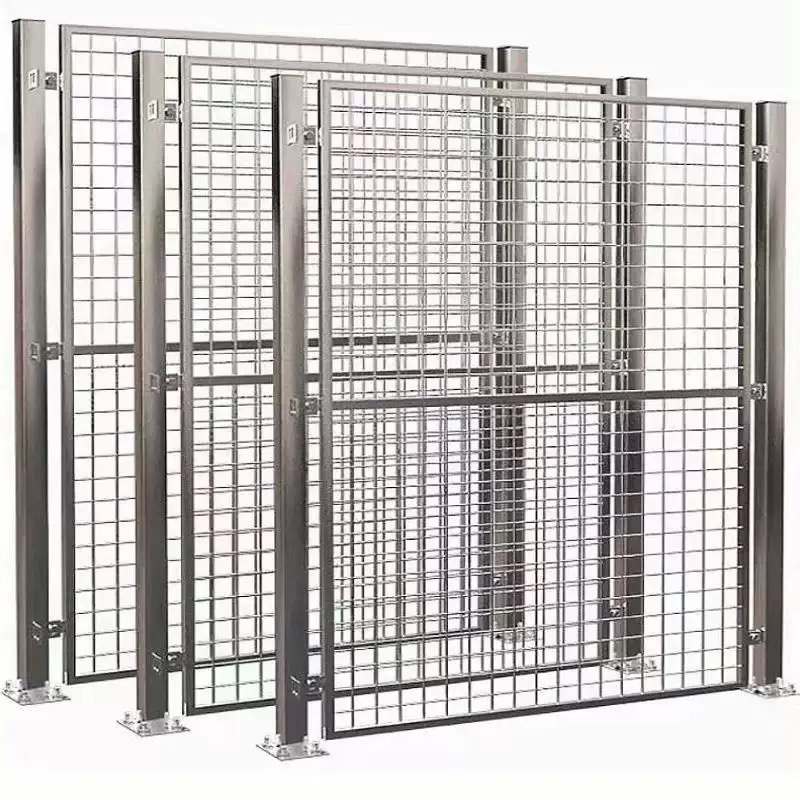
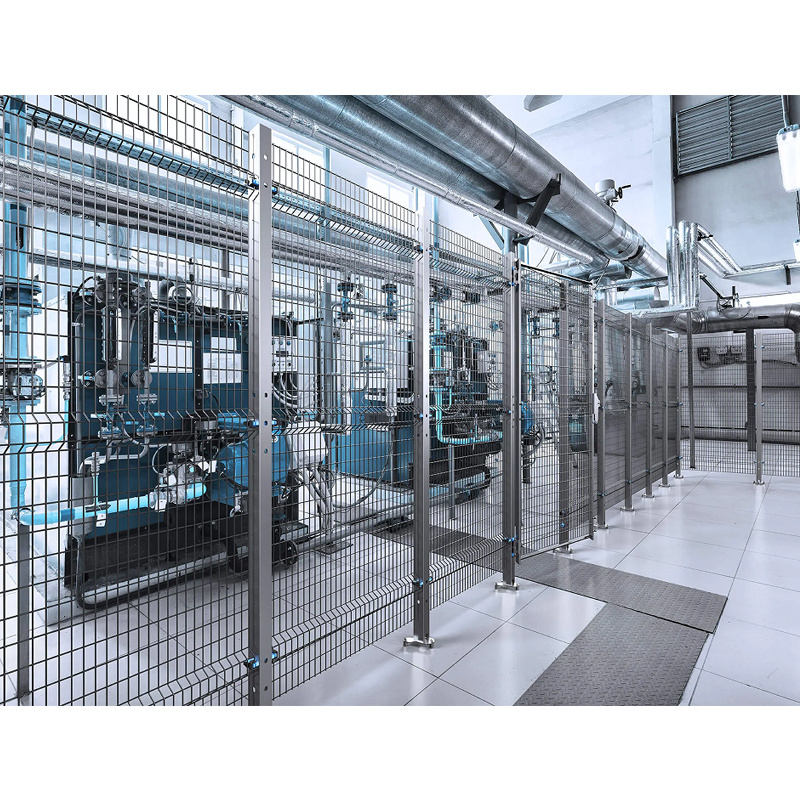
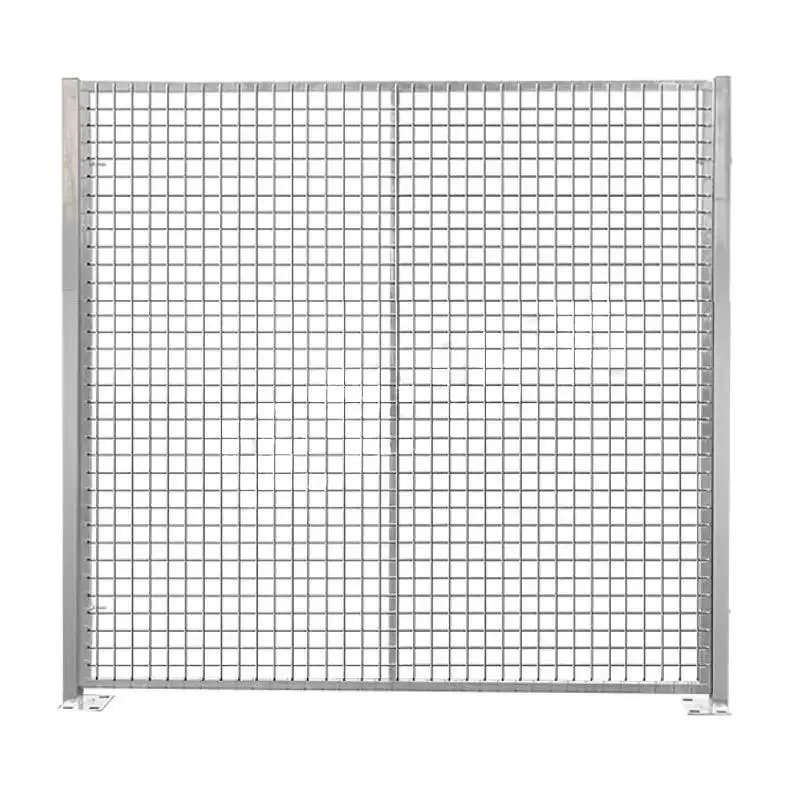
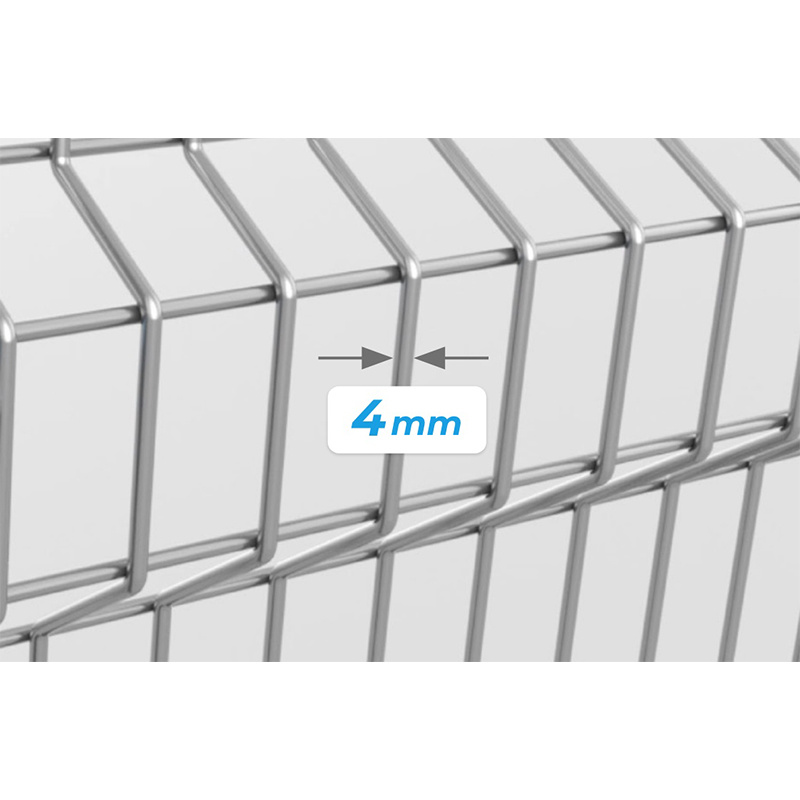
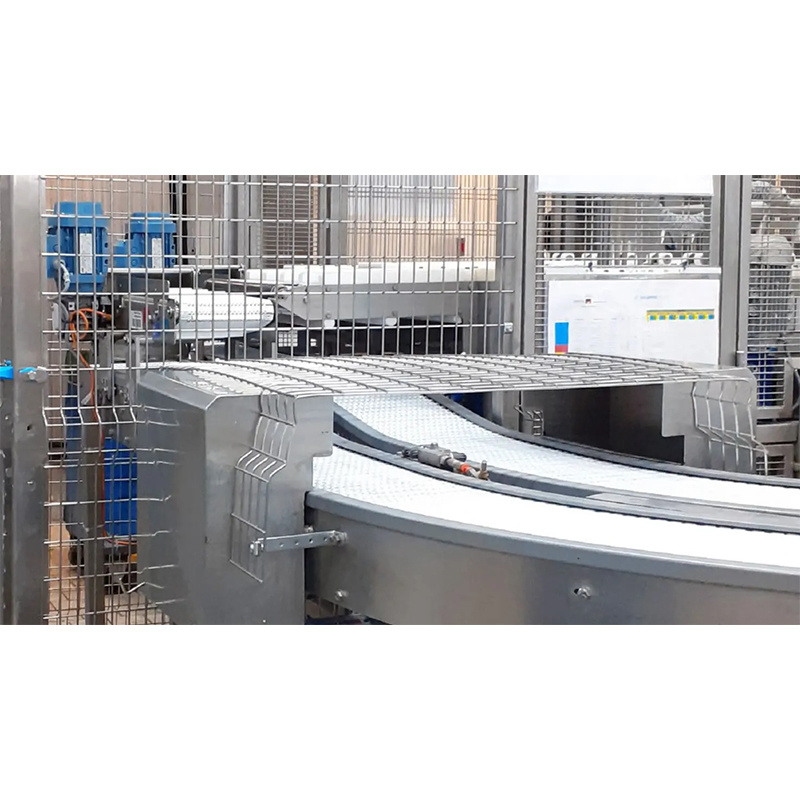
Warehouse safety barriers come in various designs and materials, tailored to fit different operational needs. They serve multiple purposes, such as delineating pedestrian pathways, guarding against moving vehicles, and protecting sensitive equipment. By clearly marking these zones, safety barriers help to reduce confusion and enhance awareness among workers, ultimately lowering the risk of accidents.
Implementing warehouse safety barriers can significantly improve the efficiency of operations. For example, when pedestrian paths are clearly defined, workers can navigate the space with greater ease, reducing the likelihood of injuries caused by heavy machinery or falling objects. Additionally, these barriers can help minimize the risk of product damage by preventing unauthorized access to storage areas.
It is essential to consider the strategic placement of warehouse safety barriers. They should be positioned at critical points where pedestrian and vehicular traffic intersect. By doing so, you create a safer environment where workers can perform their tasks with confidence. Regularly inspecting these barriers for signs of wear and tear is also vital; damaged barriers may not provide the protection needed and could lead to increased safety hazards.
Training employees on the importance of warehouse safety barriers is another essential aspect. Workers should be educated about the purpose of these barriers and how to navigate them safely. This awareness not only fosters a culture of safety but also encourages employees to take responsibility for their well-being and that of their colleagues.
In addition to improving safety, warehouse safety barriers can enhance the overall aesthetic of the workspace. Modern designs come in various colors and styles, allowing businesses to maintain a professional look while ensuring maximum safety. This balance is particularly important in environments where both productivity and brand image matter.
In conclusion, warehouse safety barriers are a vital component of any safety strategy within a warehouse setting. By clearly defining spaces, preventing accidents, and protecting inventory, these barriers contribute to a safer and more efficient working environment. Investing in quality safety barriers and training employees on their use is not just a precaution; it is a commitment to fostering a culture of safety and responsibility in the workplace. By adhering to these practices, businesses can significantly reduce the risk of accidents and create a more productive atmosphere for all.
Hot Products