
Ensuring Safety and Compliance with Machine Safety Fencing
Release Time:
Apr 14,2026
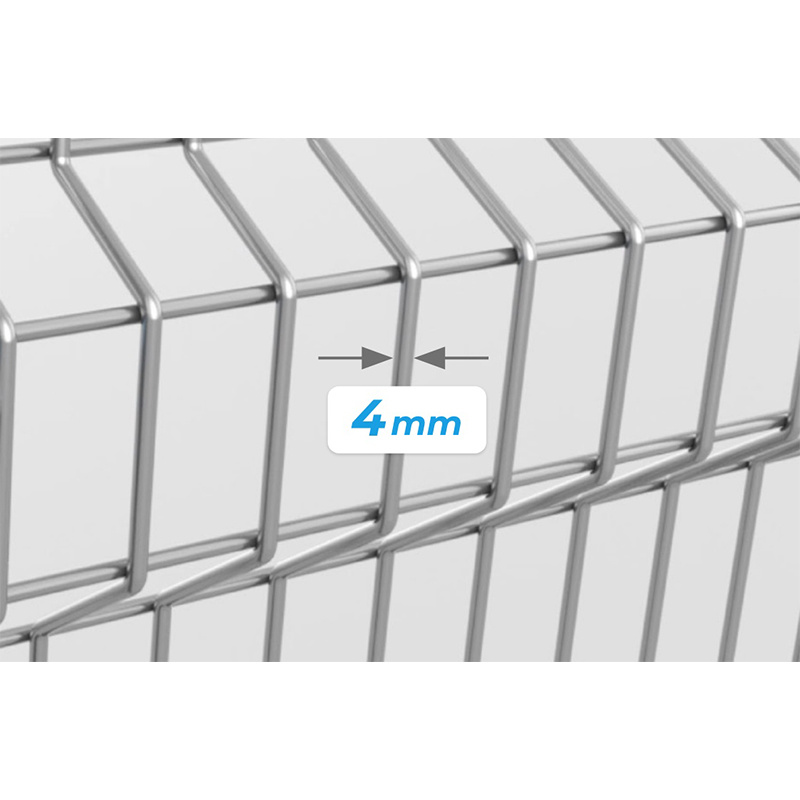
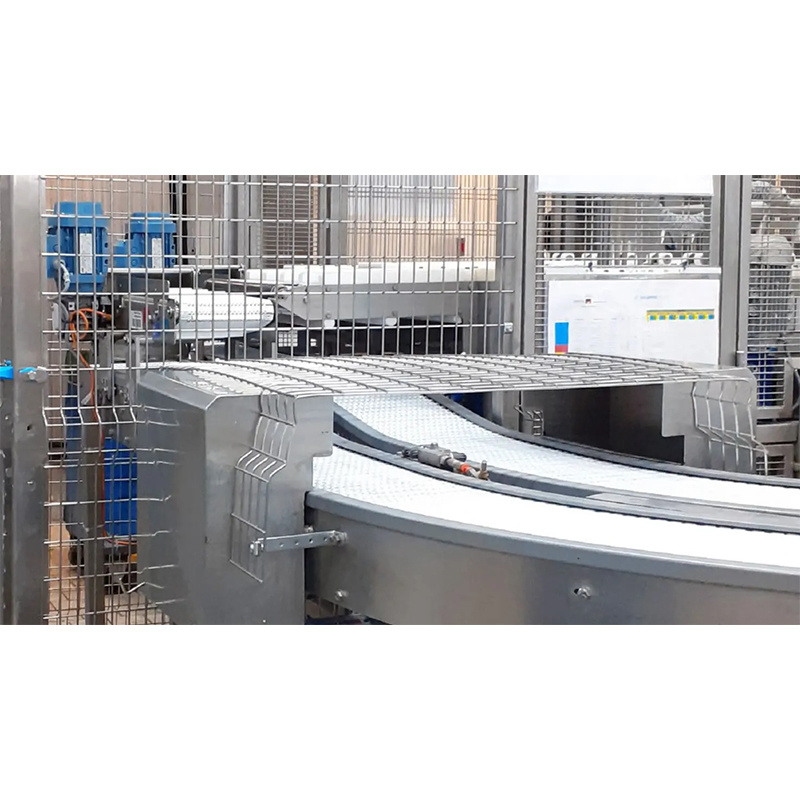
Machine safety fencing, also known as machine guarding or protective barriers, is designed to protect workers from potential hazards associated with machinery. These safety barriers serve as physical shields between employees and moving parts of equipment, effectively reducing the risk of accidents and injuries. With the increasing complexity of machinery in the consumer electronics and financial
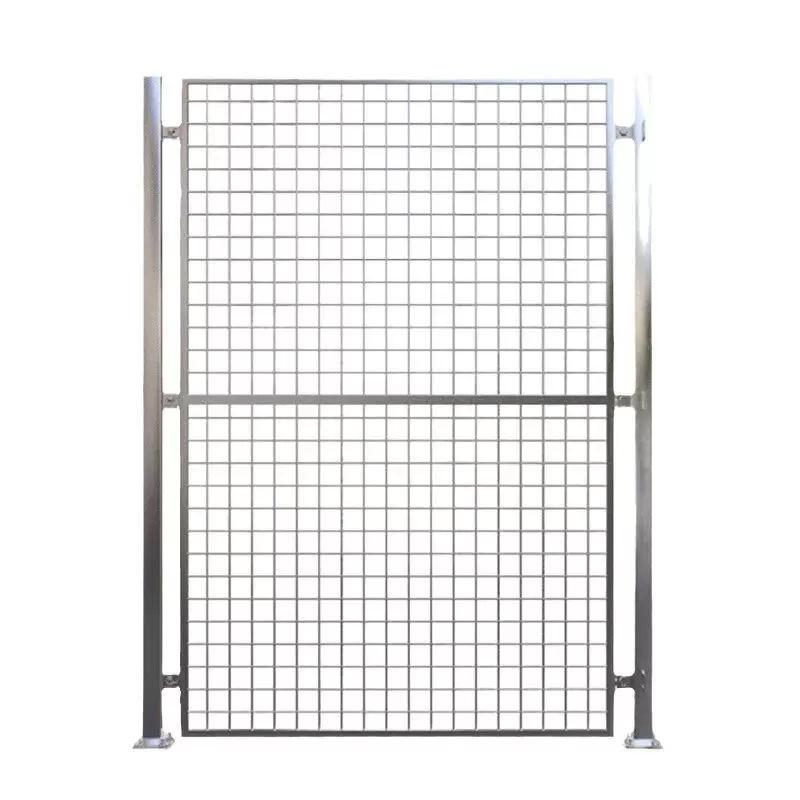
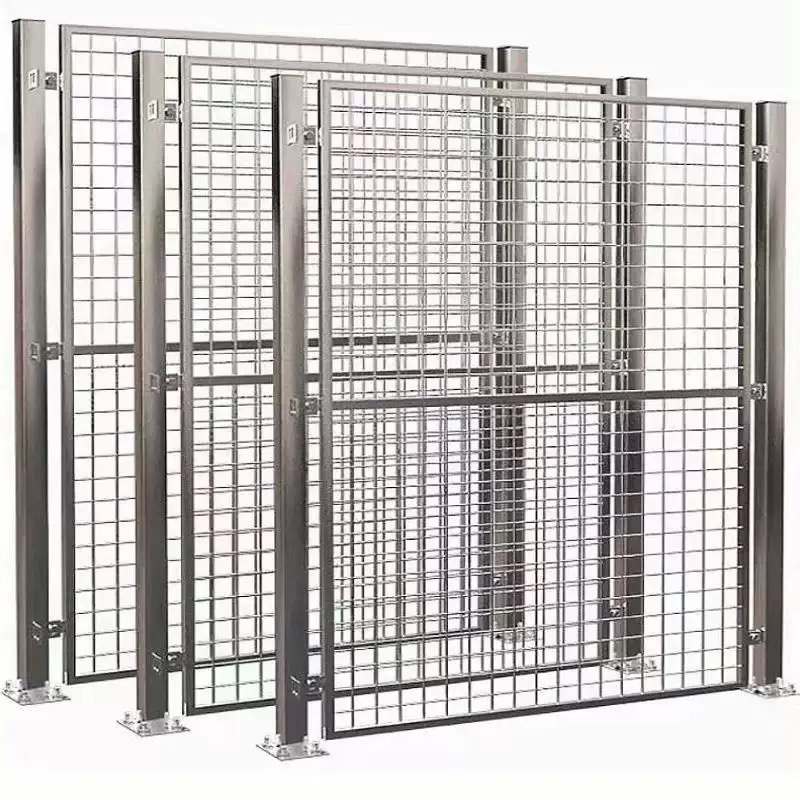
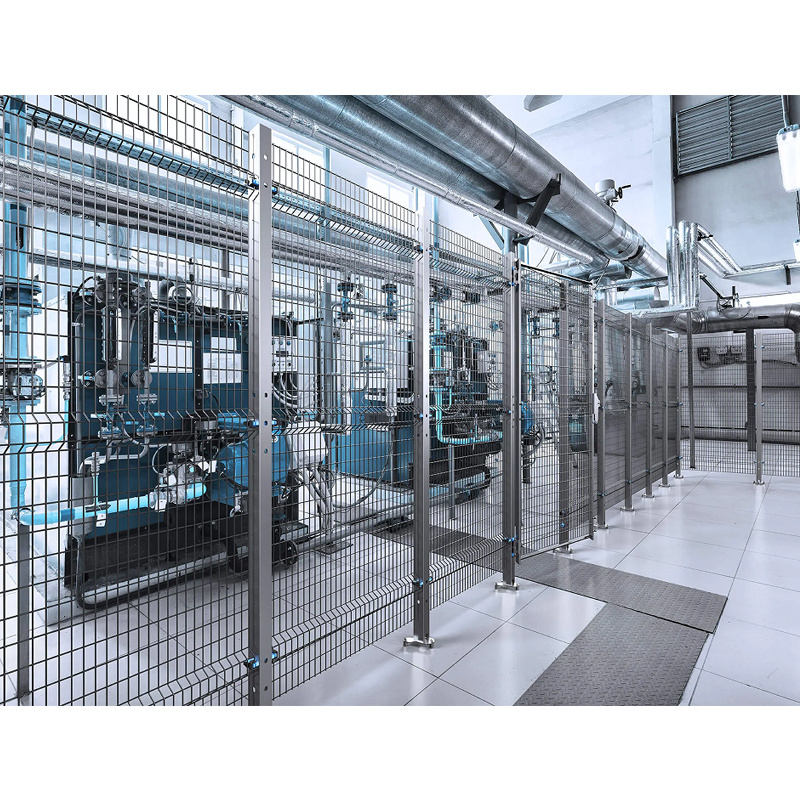
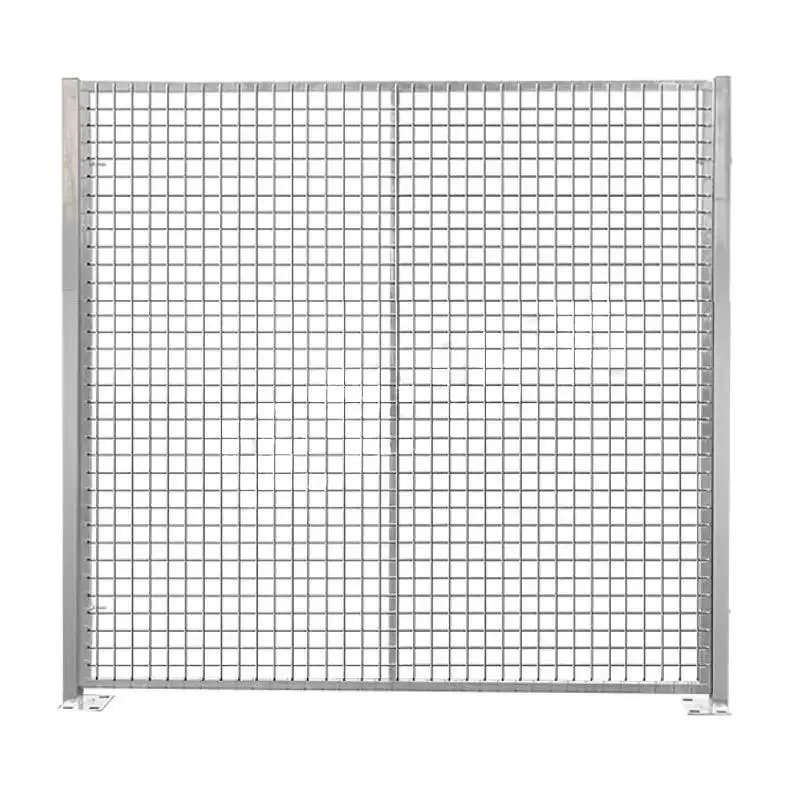
Machine safety fencing, also known as machine guarding or protective barriers, is designed to protect workers from potential hazards associated with machinery. These safety barriers serve as physical shields between employees and moving parts of equipment, effectively reducing the risk of accidents and injuries. With the increasing complexity of machinery in the consumer electronics and financial sectors, implementing robust safety measures has never been more important.
One of the primary benefits of machine safety fencing is compliance with health and safety regulations. Many governing bodies have established stringent guidelines to ensure that workplaces prioritize employee welfare. By incorporating safety fencing, companies can demonstrate their commitment to adhering to these regulations, thereby avoiding potential legal repercussions and fostering a culture of safety.
Another significant advantage of machine safety fencing is its role in enhancing operational efficiency. When employees feel safe, they are more likely to focus on their tasks without the distraction of potential hazards. This increased concentration can lead to higher productivity levels and a more streamlined workflow. Moreover, safety fencing can reduce the likelihood of equipment downtime caused by accidents, ultimately improving overall operational performance.
In addition to compliance and efficiency, machine safety fencing can also provide a clear delineation of safe zones within a workspace. This spatial organization is essential in busy environments where multiple activities occur simultaneously. By clearly marking boundaries, safety fencing helps manage the movement of personnel and equipment, minimizing the risk of accidental collisions or interference with machinery.
Furthermore, modern machine safety fencing solutions often come with additional features such as interlocked gates and transparent materials, allowing for visibility while still providing protection. These innovations enhance safety without compromising the need for supervision or monitoring of machinery, ensuring that operators can easily maintain oversight of their work areas.
When considering the implementation of machine safety fencing, it is essential to assess specific needs based on the type of machinery and the layout of the workspace. Customizable fencing options allow businesses to create tailored solutions that address their unique safety challenges. Collaborating with safety experts can facilitate this process, ensuring that the chosen fencing meets industry standards and regulations while effectively managing risks.
In conclusion, machine safety fencing is a vital component in safeguarding employees working in environments where machinery is present. By prioritizing safety through effective barriers, companies can ensure compliance, enhance productivity, and maintain a well-organized workspace. Investing in machine safety fencing not only protects workers but also contributes to the long-term success and reputation of the business.
Hot Products