
Why Every Commercial Space Needs Equipment Guard Fencing: Essential Benefits and Features
Release Time:
Apr 17,2026
Why Every Commercial Space Needs Equipment Guard Fencing In today’s rapidly evolving commercial landscape, the importance of securing assets cannot be overstated. **Equipment guard fencing** plays a pivotal role in safeguarding valuable equipment, machinery, and property in various commercial environments. From manufacturing plants to construction sites, the need for a robust fencing solution is p
Why Every Commercial Space Needs Equipment Guard Fencing
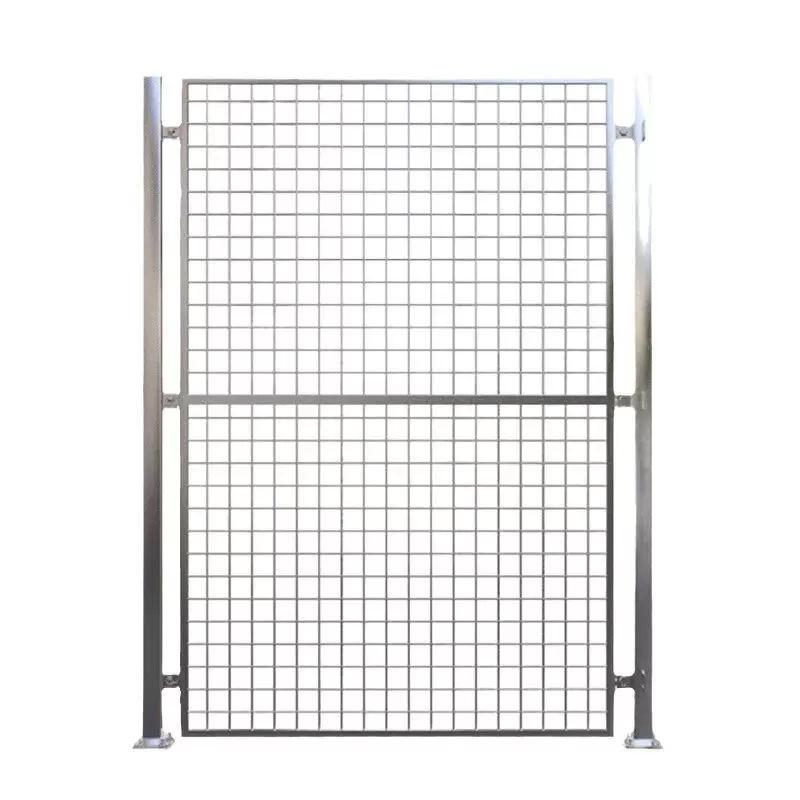
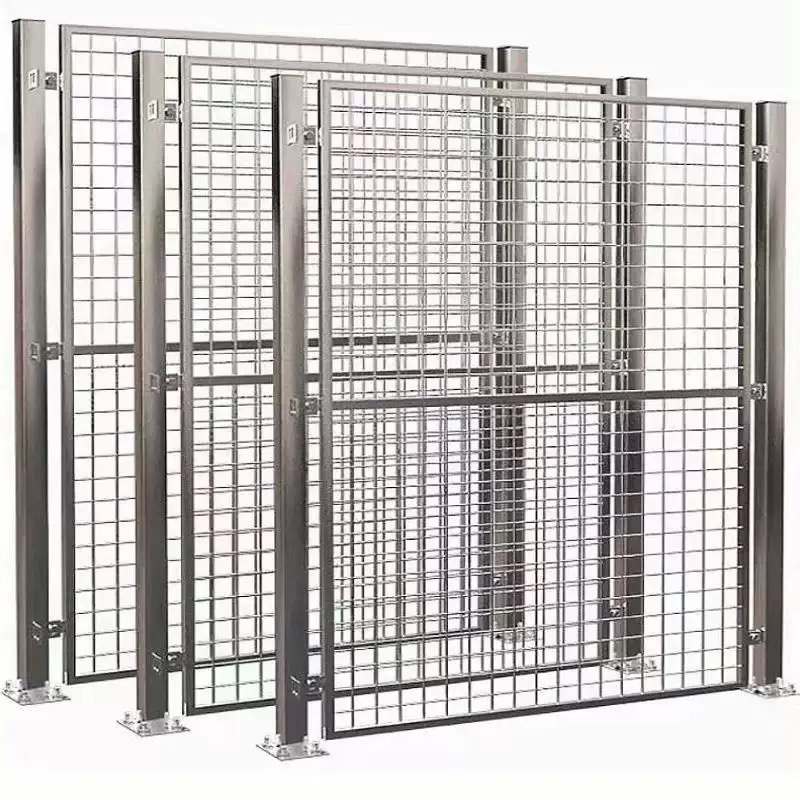
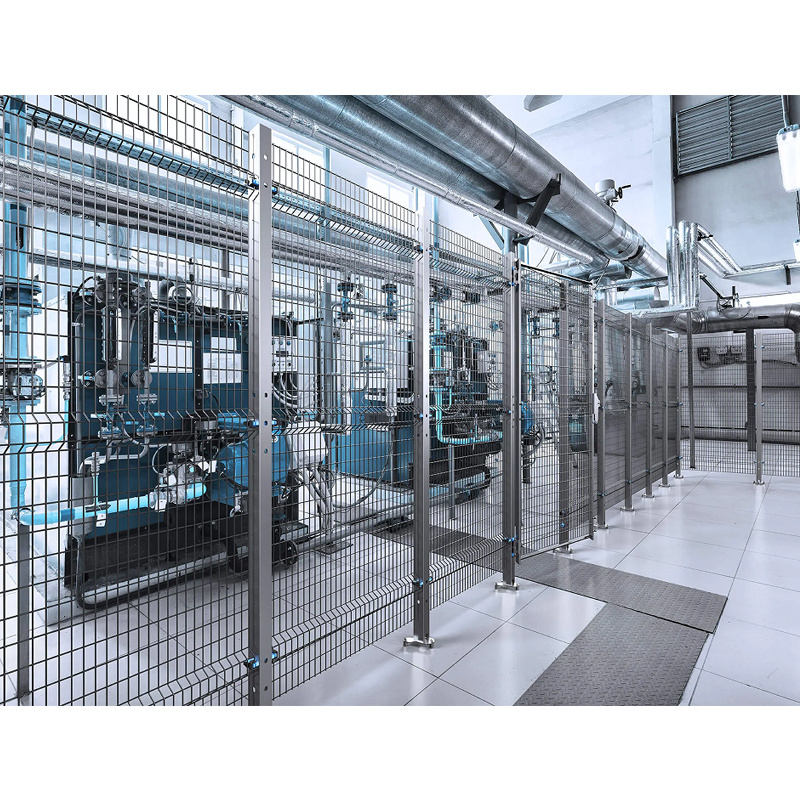
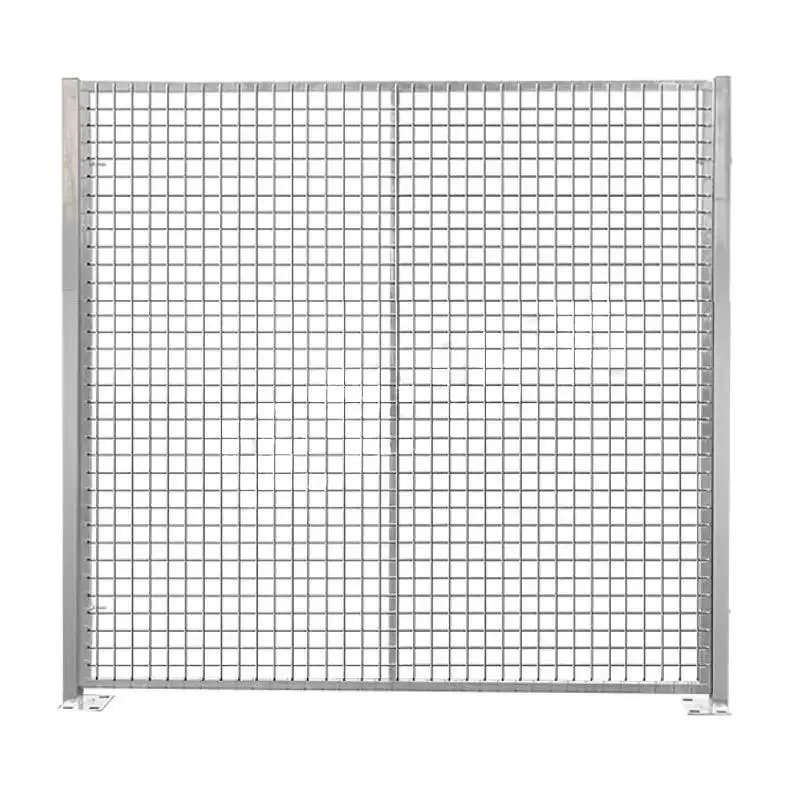
In today’s rapidly evolving commercial landscape, the importance of securing assets cannot be overstated. **Equipment guard fencing** plays a pivotal role in safeguarding valuable equipment, machinery, and property in various commercial environments. From manufacturing plants to construction sites, the need for a robust fencing solution is paramount. In this article, we will delve into why every commercial space needs equipment guard fencing, exploring its benefits, features, and best practices.
Table of Contents
- The Importance of Equipment Guard Fencing
- Key Benefits of Using Fencing in Commercial Spaces
- Types of Fencing Materials for Equipment Guard Fencing
- Best Practices for Installing Equipment Guard Fencing
- How to Choose the Right Fencing Solution for Your Needs
- Regulatory Compliance and Equipment Guard Fencing
- Maintaining Your Equipment Guard Fencing
- Case Studies: Successful Implementation of Guard Fencing
- Frequently Asked Questions (FAQ)
- Conclusion
The Importance of Equipment Guard Fencing
Commercial spaces house valuable equipment and machinery that are essential for daily operations. The financial implications of theft, vandalism, and unauthorized access can be substantial. **Equipment guard fencing** serves as a deterrent against such risks. By clearly defining the boundaries of your commercial property, fencing creates a physical barrier that discourages trespassers and potential thieves.
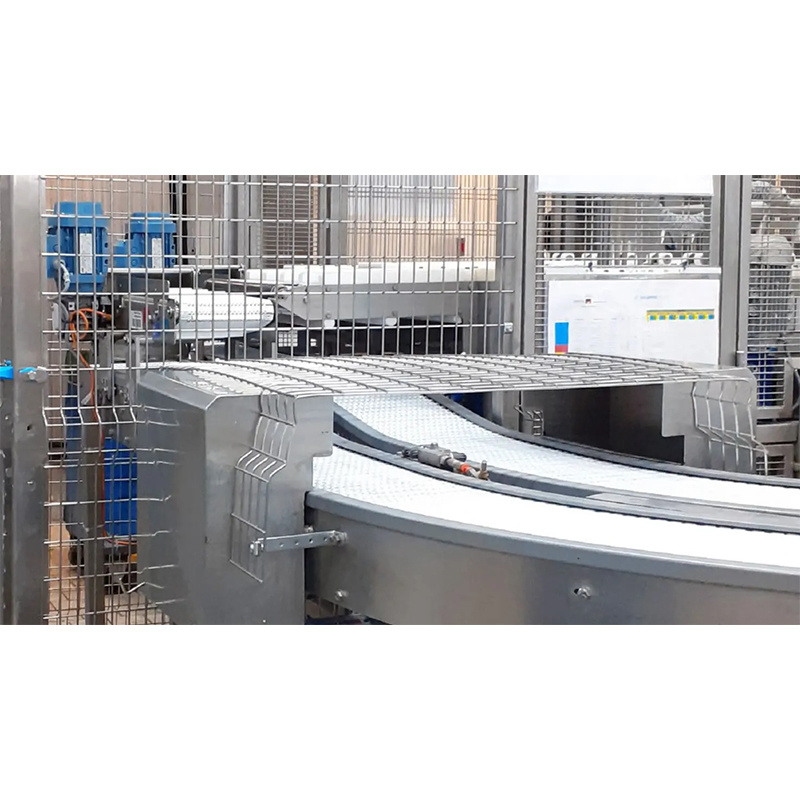
Moreover, guard fencing enhances the safety of your employees. It not only keeps unauthorized individuals away from hazardous machinery but also helps prevent accidents that could arise from careless behavior. By creating a secure environment, businesses can foster a culture of safety, thereby reducing the risk of injuries and associated liabilities.
Key Benefits of Using Fencing in Commercial Spaces
The advantages of installing equipment guard fencing in commercial spaces are manifold. Below are some of the key benefits:
1. Enhanced Security
The primary function of guard fencing is to provide security. Fencing acts as a physical barrier that protects your equipment from potential theft or damage. This is particularly critical in industries where valuable machinery is left unattended.
2. Accident Prevention
Safety is paramount in any commercial setting. By restricting access to hazardous areas, equipment guard fencing minimizes the chances of accidents. This is especially crucial in construction sites, manufacturing units, and warehouses where heavy machinery operates.
3. Visual Deterrent
A well-constructed fence sends a clear message to potential intruders that your property is not an easy target. The mere presence of equipment guard fencing can deter vandalism and theft, as trespassers often look for sites that offer less resistance.
4. Property Value Protection
Investing in quality guard fencing enhances the overall value of your commercial property. A secure environment is attractive to potential buyers or tenants, as it signifies that the property has been well-maintained and safeguarded.
5. Compliance with Regulations
Many industries are subject to regulations requiring proper safety measures. **Equipment guard fencing** can help you meet these legal obligations, protecting your business from potential fines and legal repercussions.
Types of Fencing Materials for Equipment Guard Fencing
When considering fencing options, it’s essential to choose materials that align with your security needs, budget, and aesthetic preferences. Here are some common types of fencing materials used in commercial applications:
1. Chain Link Fencing
Chain link fencing is a popular choice for its affordability and durability. It provides a clear view of the property while maintaining security. This type of fencing is easy to install and can be enhanced with barbed wire for added protection.
2. Welded Wire Fencing
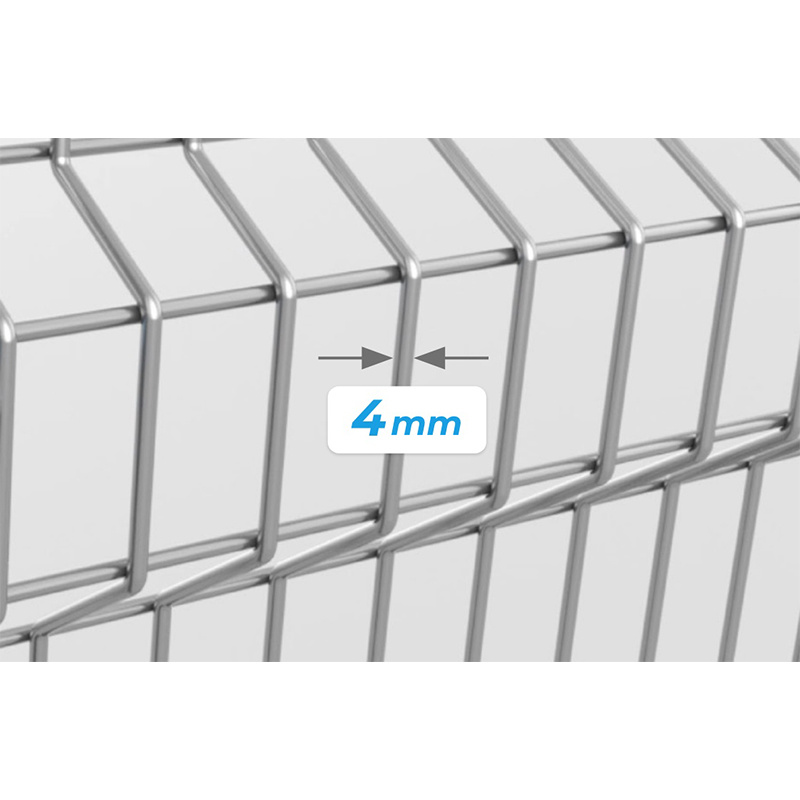
Welded wire fencing offers a sturdier option than chain link fencing and is ideal for securing larger commercial areas. Its robust construction makes it difficult to breach, ensuring your equipment remains protected.
3. Palisade Fencing
Palisade fencing is a high-security option characterized by vertical pales. It acts as a formidable barrier against intruders and is commonly used in industrial settings. Its aesthetic appeal also makes it suitable for corporate environments.
4. Wooden Fencing
While not as secure as metal options, wooden fencing can provide a more attractive appearance. It is often utilized in commercial spaces where aesthetics are important, though it may require more maintenance.
5. Electric Fencing
For maximum security, electric fencing is an excellent choice. It can be installed alongside traditional fencing to create an additional layer of deterrence. This option is particularly effective in high-risk areas.
Best Practices for Installing Equipment Guard Fencing
To ensure that your equipment guard fencing meets your security needs, consider the following best practices during installation:
1. Assess Your Security Needs
Before installation, conduct a thorough assessment of your property. Identify vulnerable areas and determine the level of security required. This will guide your choice of fencing material and design.
2. Professional Installation
While DIY options may seem appealing, hiring professionals for installation ensures that the job is done correctly. Professional installers have the expertise to identify potential issues and provide solutions that enhance security.
3. Regular Maintenance
After installation, it’s essential to maintain your fencing. Regular inspections help identify wear and tear that could compromise security. Address any issues promptly to ensure the integrity of your guard fencing.
4. Incorporate Surveillance
Pairing guard fencing with surveillance systems such as cameras can enhance security further. This combination allows for real-time monitoring of your property and can provide valuable evidence in case of incidents.
5. Clear Signage
In addition to physical barriers, clear signage indicating restricted access zones can deter trespassers. Informing visitors and employees about safety regulations enhances the effectiveness of your guard fencing.
How to Choose the Right Fencing Solution for Your Needs
Selecting the appropriate equipment guard fencing requires careful consideration of various factors. Here are some tips to guide your decision-making process:
1. Evaluate Your Environment
The geographical and environmental conditions of your commercial space can influence your fencing choice. For example, areas prone to extreme weather may require more durable materials.
2. Consider Your Budget
Fencing solutions come at varying costs. Establish a budget before exploring options. Keep in mind that investing in quality fencing will yield long-term benefits, including reduced maintenance and enhanced security.
3. Identify Aesthetic Preferences
Your commercial space’s aesthetic can impact the choice of fencing. Opt for materials and designs that complement your property’s appearance without compromising on security.
4. Review Local Regulations
Before making a decision, familiarize yourself with local regulations and zoning laws regarding fencing. Ensure your chosen solution complies with legal requirements to avoid potential fines or issues.
5. Seek Expert Advice
Consulting with security experts or fencing professionals can provide valuable insights into the best options for your commercial space. They can help tailor a solution that meets your unique needs.
Regulatory Compliance and Equipment Guard Fencing
Many commercial sectors are governed by regulations that mandate specific safety measures. Equipment guard fencing often falls under these regulations, depending on the industry and location.
1. Construction Sites
For construction sites, OSHA (Occupational Safety and Health Administration) regulations require that perimeter fencing be implemented to safeguard both workers and the public.
2. Manufacturing Facilities
Manufacturing facilities often face stringent safety regulations aimed at protecting employees from industrial hazards. Proper equipment guard fencing can help meet these requirements.
3. Warehouses and Distribution Centers
In warehouse settings, protecting inventory and equipment is vital. Many jurisdictions have guidelines regarding the installation of fencing to ensure safe operations.
4. Environmental Regulations
Certain industries are subject to environmental regulations that may affect fencing choices. Consideration of wildlife and ecological impact can play a role in securing your commercial space.
Maintaining Your Equipment Guard Fencing
Regular maintenance is essential to ensure that your equipment guard fencing remains effective over time. Consider the following maintenance practices:
1. Routine Inspections
Schedule routine inspections to assess the condition of your fencing. Look for signs of damage, rust, or wear that could compromise security.
2. Address Repairs Promptly
If any issues are identified during inspections, address them promptly. Delaying repairs can lead to more significant security vulnerabilities.
3. Clean and Paint
For metal fencing, periodic cleaning and repainting can prevent rust and deterioration. Wooden fencing may require staining or sealing to maintain its appearance and durability.
4. Check Gate Functionality
Ensure that gates are functioning properly and that locks are secure. Any malfunctioning gates can create security gaps.
5. Monitor Surroundings
Regularly evaluate the area surrounding your fencing. Overgrown vegetation or debris can hinder visibility and compromise security.
Case Studies: Successful Implementation of Guard Fencing
To illustrate the effectiveness of equipment guard fencing, let's explore some case studies:
1. A Manufacturing Facility in Ohio
A manufacturing facility in Ohio implemented welded wire fencing around its perimeter. Following the installation, the site reported a 75% reduction in theft incidents and improved employee safety.
2. Construction Site in California
A construction site in California used electric fencing in conjunction with traditional barriers. This combination significantly deterred unauthorized access, leading to a safer working environment and reduced insurance premiums.
3. Distribution Center in Texas
After installing chain link fencing with barbed wire tops, a distribution center in Texas noted an increase in security. The facility now enjoys peace of mind, with an enhanced ability to monitor its perimeter.
Frequently Asked Questions (FAQ)
1. What is equipment guard fencing?
Equipment guard fencing is a physical barrier designed to protect valuable equipment in commercial spaces from unauthorized access, theft, and accidents.
2. How does guard fencing enhance safety?
Guard fencing restricts access to hazardous areas, reducing the likelihood of accidents and ensuring that only authorized personnel can reach potentially dangerous machinery.
3. What materials are best for guard fencing?
Common materials include chain link, welded wire, palisade, wooden, and electric fencing. The best choice depends on your specific security needs and budget.
4. How often should I maintain my fencing?
Regular inspections should be conducted at least twice a year, with repairs addressed promptly to ensure ongoing security.
5. Are there regulations regarding fencing in commercial spaces?
Yes, various industries face regulations requiring certain safety measures, including the installation of guard fencing. It is crucial to understand and comply with local laws.
Conclusion
In conclusion, the necessity of **equipment guard fencing** in commercial spaces cannot be underestimated. From enhancing security and preventing accidents to ensuring compliance with regulations, the benefits are substantial. By choosing the right materials, following best practices for installation, and maintaining your fencing, you can protect your valuable assets and create a safe working environment. Investing in quality guard fencing not only secures your property but also contributes to the overall success and sustainability of your business.
Hot Products