
Enhancing Workplace Safety: The Importance of Warehouse Safety Barriers
Release Time:
Jun 13,2026
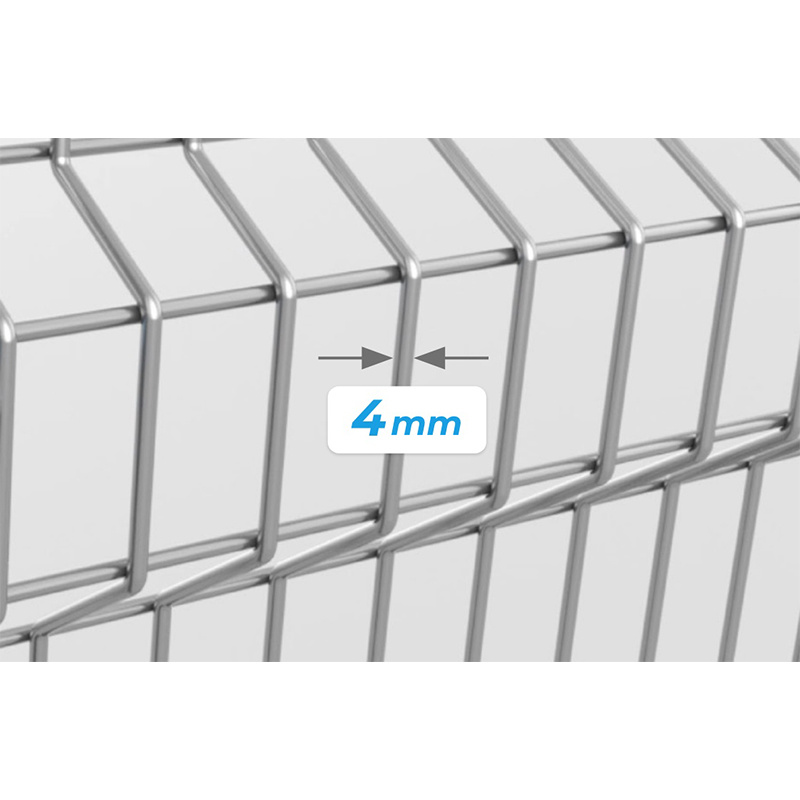
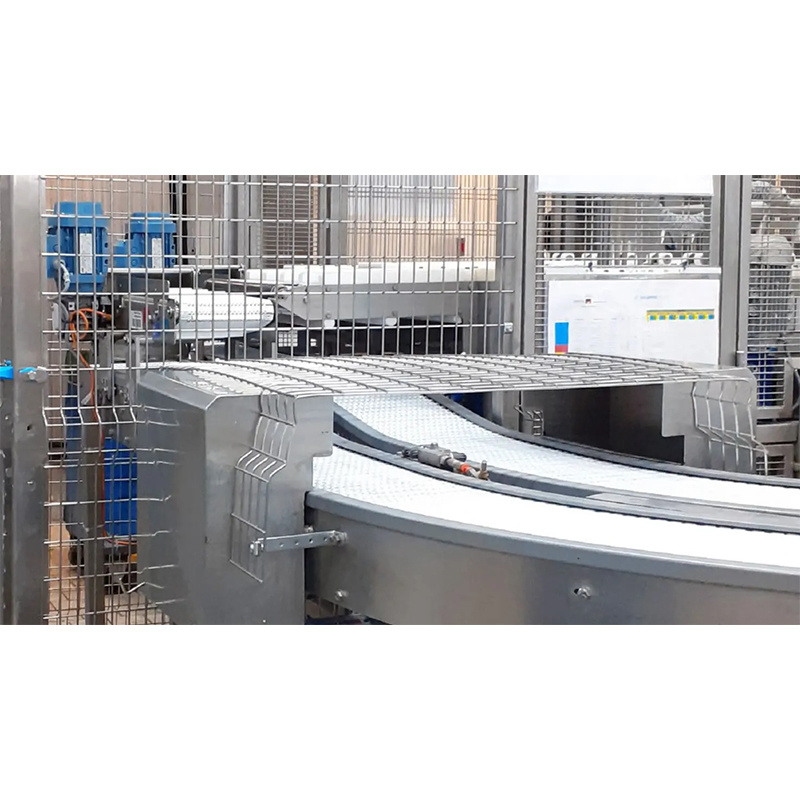
Warehouse safety barriers play a crucial role in safeguarding employees and equipment in busy industrial spaces. These barriers are designed to delineate safe zones, protect personnel from potential hazards, and prevent unauthorized access to restricted areas. When properly implemented, they can significantly reduce the risk of accidents, thereby enhancing overall workplace safety. One of the prim
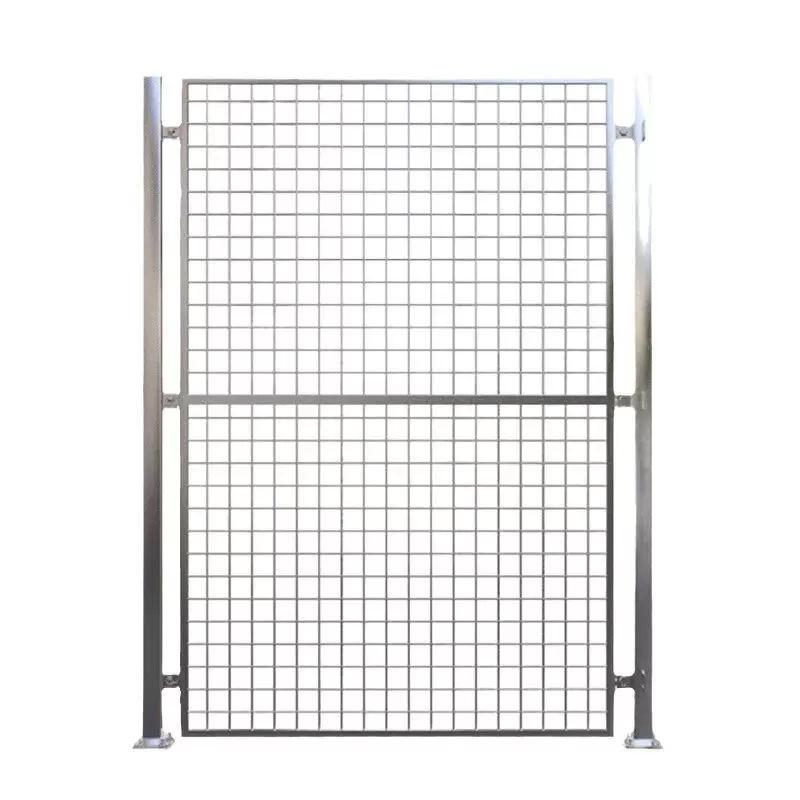
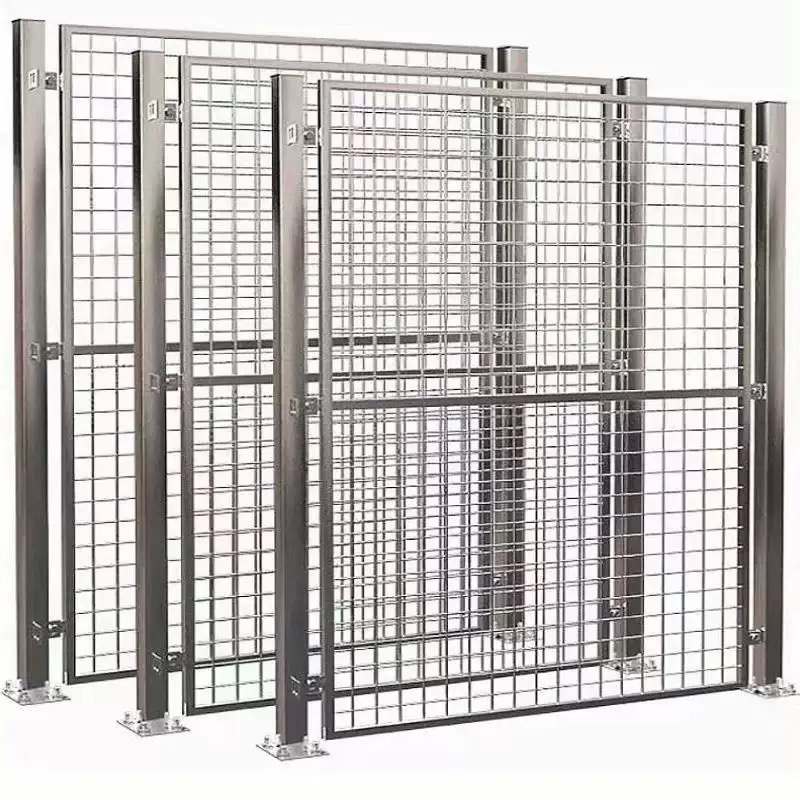
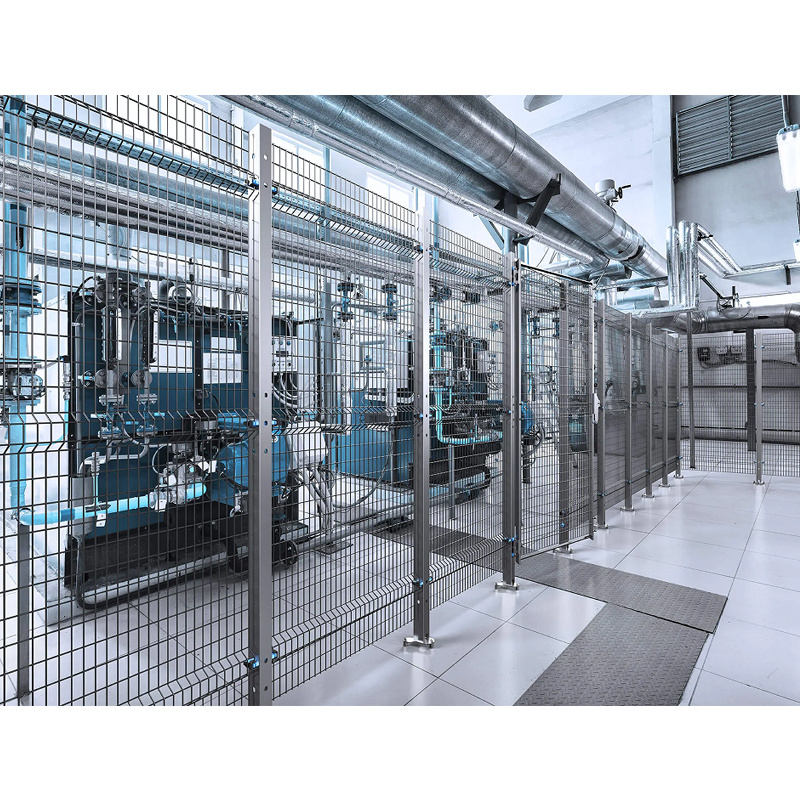
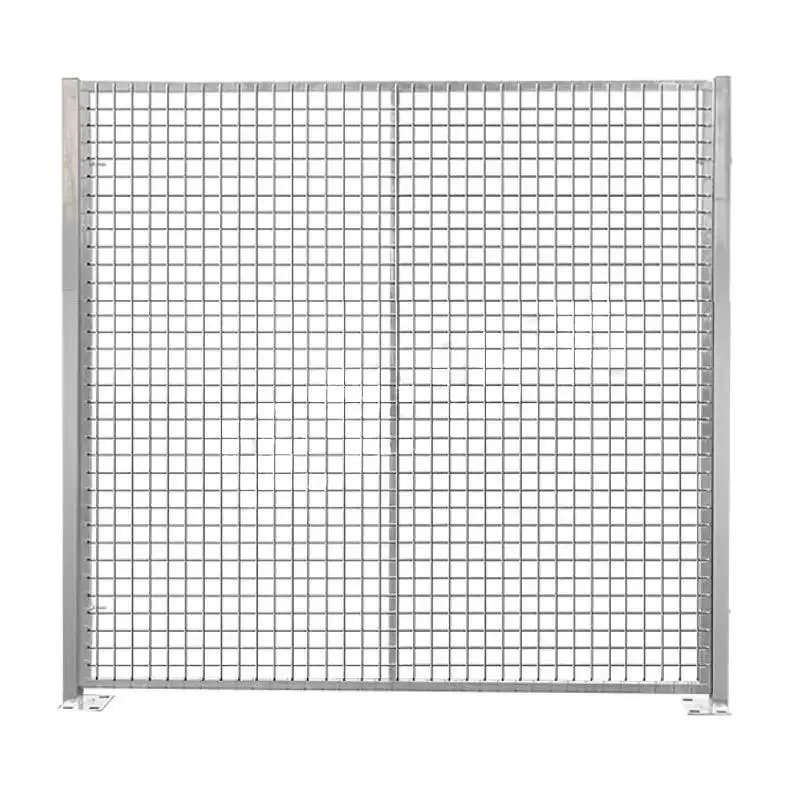
Warehouse safety barriers play a crucial role in safeguarding employees and equipment in busy industrial spaces. These barriers are designed to delineate safe zones, protect personnel from potential hazards, and prevent unauthorized access to restricted areas. When properly implemented, they can significantly reduce the risk of accidents, thereby enhancing overall workplace safety.
One of the primary functions of warehouse safety barriers is to protect employees from moving vehicles, such as forklifts and pallet jacks. In environments where heavy machinery operates, the risk of collisions is high. Safety barriers provide a physical separation between pedestrian pathways and vehicular traffic, ensuring that workers can navigate the area without the constant threat of accidents. This is particularly important in the consumer electronics sector, where the handling of delicate products requires a high level of attention and care.
Additionally, warehouse safety barriers are essential for protecting inventory and equipment. By establishing clear boundaries, these barriers prevent damage to stock from collisions and other incidents. In the financial and commercial electronics sphere, where products can be expensive and sensitive, maintaining the integrity of inventory is critical. Safety barriers not only safeguard physical assets but also contribute to operational efficiency by minimizing disruptions caused by accidents.
Another important aspect of warehouse safety barriers is their role in emergency situations. In the event of a fire or other emergencies, these barriers can help guide employees towards safe exits and prevent chaos during evacuations. By clearly marking pathways and exits, safety barriers ensure a more organized response to emergencies, which can be vital in protecting employee safety and reducing liability for organizations.
Furthermore, warehouse safety barriers can enhance the overall organization of the workspace. By designating specific areas for different functions, such as storage, loading, and personnel movement, they contribute to a more efficient workflow. This is particularly beneficial in consumer electronics operations where space optimization is crucial for managing inventory effectively.
In conclusion, warehouse safety barriers are an indispensable element of workplace safety in the consumer electronics and commercial sectors. Their ability to protect employees, equipment, and inventory while also guiding personnel in emergencies makes them a valuable investment for any organization. Implementing these safety measures not only fosters a secure work environment but also enhances operational efficiency and productivity. As industries continue to evolve, prioritizing safety through effective solutions like warehouse safety barriers will remain a key focus for responsible business practices.
Hot Products