
Industrial Safety Fences: A Crucial Element for Hazard Prevention
Release Time:
Jun 29,2026
Understanding Industrial Safety Fences: A Critical Component for Hazard Prevention In today’s fast-paced industrial environment, ensuring the safety of employees and equipment is paramount. **Industrial safety fences** serve as vital barriers that protect workers from potential hazards while organizing workspaces efficiently. In this article, we will delve into the importance of these safety featu
Understanding Industrial Safety Fences: A Critical Component for Hazard Prevention
In today’s fast-paced industrial environment, ensuring the safety of employees and equipment is paramount. **Industrial safety fences** serve as vital barriers that protect workers from potential hazards while organizing workspaces efficiently. In this article, we will delve into the importance of these safety features, exploring their types, benefits, installation processes, and maintenance strategies.
Table of Contents
- What Are Industrial Safety Fences?
- The Importance of Safety Fences in Industrial Settings
- Types of Industrial Safety Fences
- Benefits of Industrial Safety Fences
- Installation Considerations for Industrial Safety Fences
- Maintenance of Industrial Safety Fences
- Best Practices for Hazard Prevention
- Frequently Asked Questions
What Are Industrial Safety Fences?
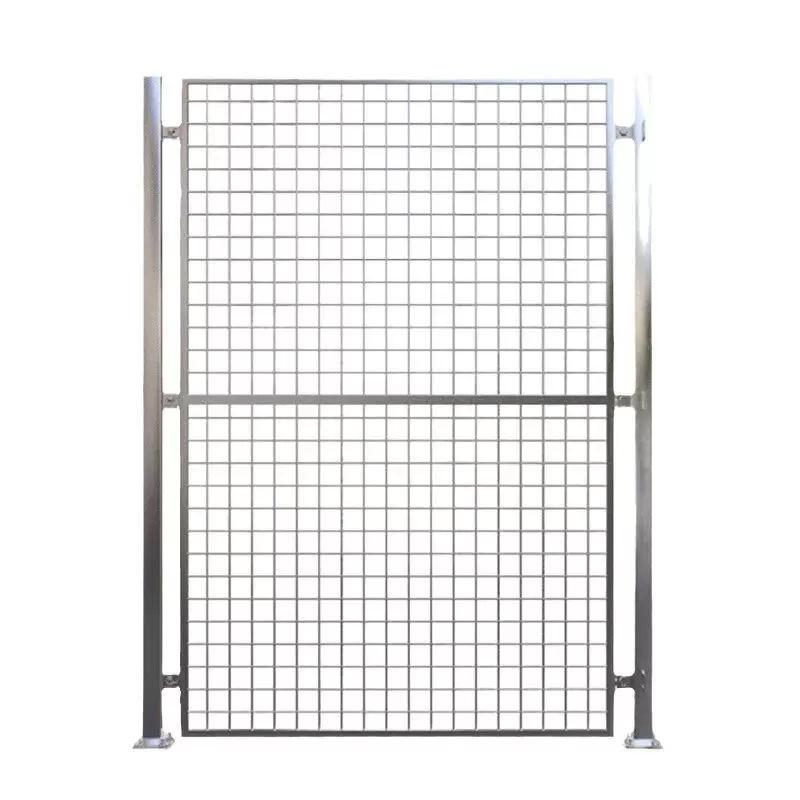
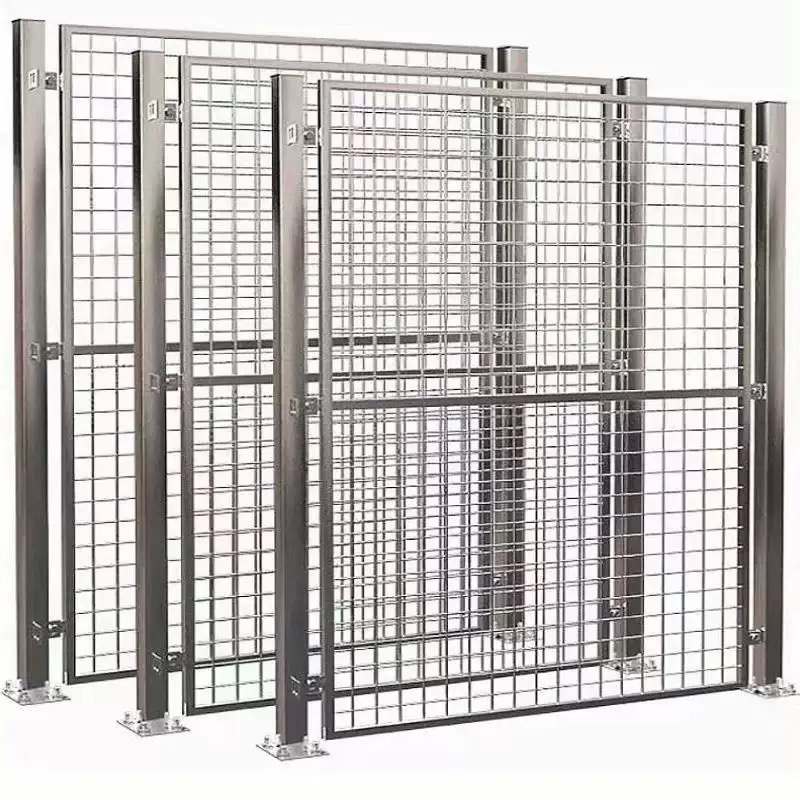
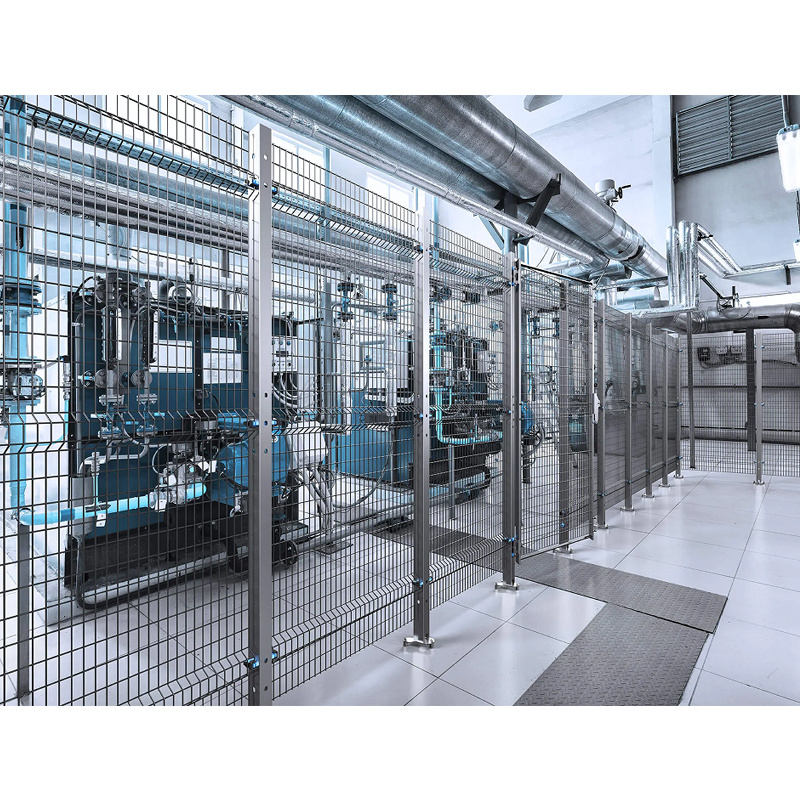
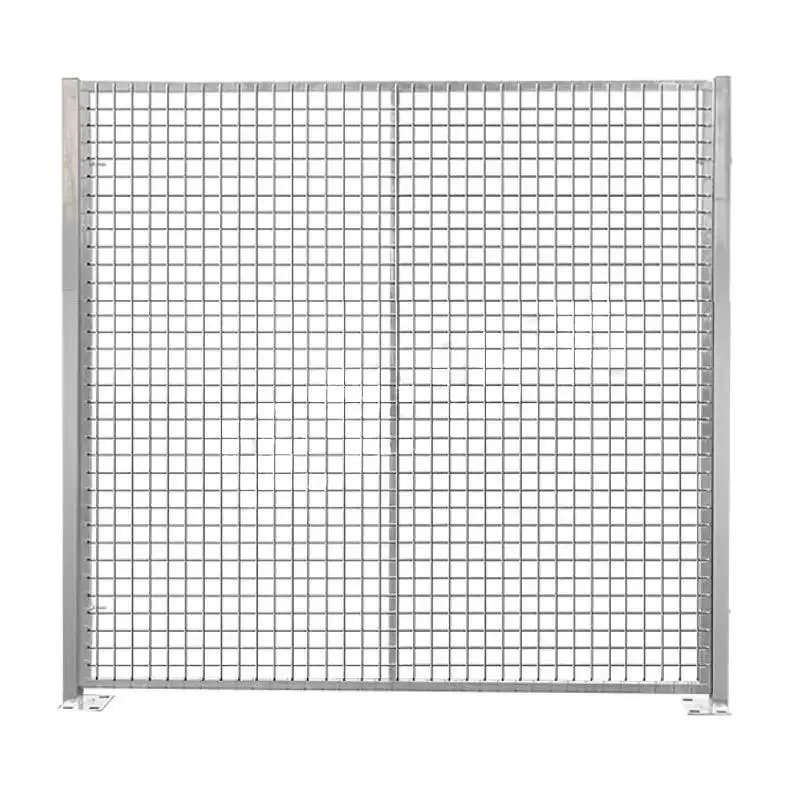
**Industrial safety fences** are robust barriers designed to protect employees from hazardous areas and machinery within industrial facilities. These fences are typically constructed from high-quality materials such as steel or aluminum, which provide durability and resistance to environmental conditions. They are strategically placed around machines, hazardous materials, or restricted areas to prevent unauthorized access and safeguard workers.
The Importance of Safety Fences in Industrial Settings
Safety is not merely a regulatory requirement; it is a fundamental aspect of operational efficiency. By implementing **safety fencing**, companies can significantly reduce the risk of accidents and injuries. These fences serve multiple purposes, including:
- **Protection from Moving Equipment:** In settings where heavy machinery operates, safety fences act as a barrier against moving parts, reducing the risk of workers being injured.
- **Controlled Access:** They help delineate safe zones and restricted areas, ensuring that only trained personnel can access potentially dangerous regions.
- **Compliance with Regulations:** Many industries are required to adhere to specific safety standards established by regulatory bodies. Installing safety fences helps businesses comply with these regulatory requirements.
- **Enhanced Visibility:** Safety fences can improve visibility in the workplace, allowing for better monitoring of operations and facilitating emergency response if necessary.
Types of Industrial Safety Fences
Understanding the various types of **industrial safety fences** available is crucial for effective hazard prevention. Each type serves specific purposes and can be tailored to unique industrial needs.
Perimeter Fencing
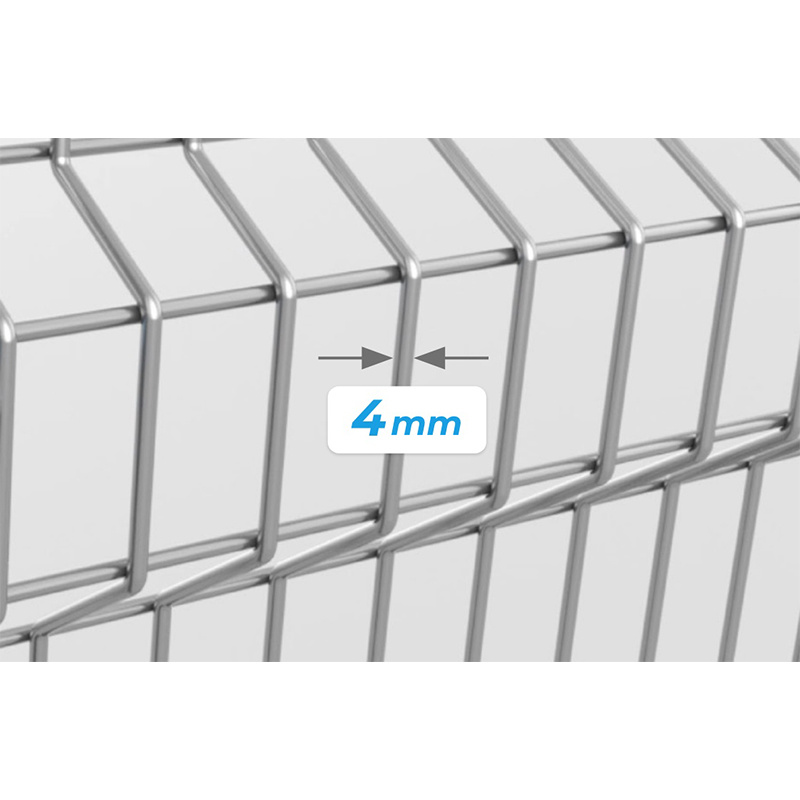
Perimeter fencing is designed to enclose the entire industrial facility, preventing unauthorized access and protecting against external threats. These fences can be made from various materials, including chain link, welded wire, and solid panels, depending on the level of security required.
Machine Guarding Fencing
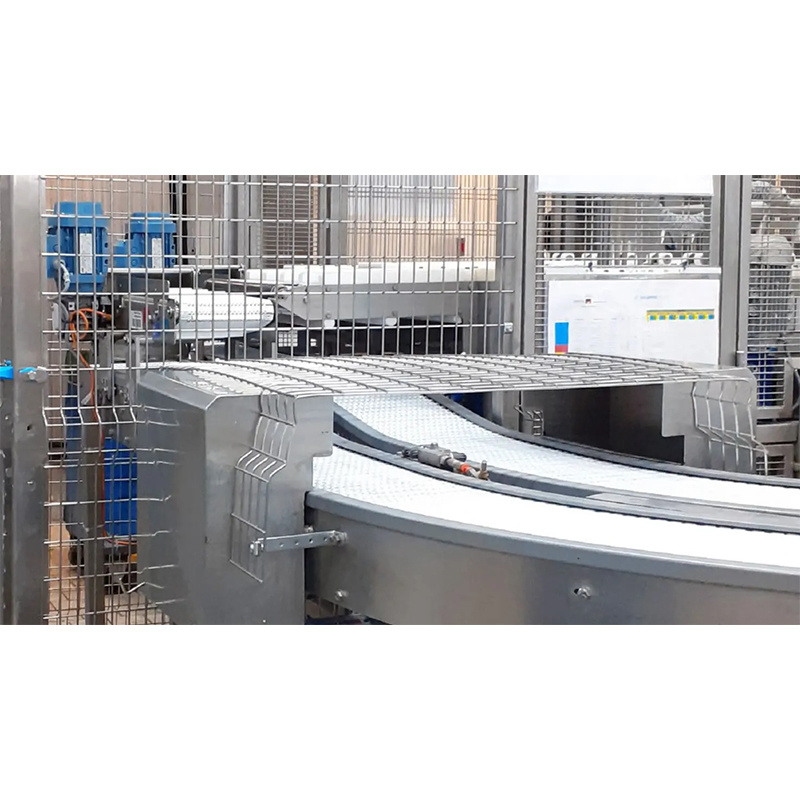
Machine guarding fencing is specifically designed to protect workers from moving machinery. These fences often include features such as interlocks and safety gates that allow for safe operation while preventing accidental access.
Temporary Fencing Solutions
In situations such as construction sites or temporary installations, **temporary fencing** provides a quick and effective solution for hazard prevention. These fences are lightweight and can be easily installed and removed as needed, offering flexibility for dynamic environments.
Benefits of Industrial Safety Fences
The installation of **industrial safety fences** comes with numerous advantages:
- **Accident Reduction:** By providing physical barriers, safety fences can significantly reduce the likelihood of workplace accidents.
- **Increased Productivity:** A safer work environment promotes employee confidence and productivity, allowing them to focus on their tasks without fear of injury.
- **Insurance Cost Savings:** Many insurance providers offer lower premiums to businesses that demonstrate effective safety measures, including the installation of safety fences.
- **Improved Company Reputation:** A commitment to employee safety enhances a company’s reputation, making it more attractive to prospective employees and clients.
Installation Considerations for Industrial Safety Fences
When planning the installation of **safety fences**, several factors must be considered to ensure optimal effectiveness:
- **Site Assessment:** Conduct a thorough evaluation of the facility to identify high-risk areas that require fencing.
- **Material Selection:** Choose appropriate materials based on durability, visibility, and environmental conditions.
- **Height and Design:** Consider the height and design of the fence to ensure it meets safety regulations and effectively deters unauthorized access.
- **Accessibility:** Ensure that gates and access points are strategically placed for ease of entry while maintaining safety.
Maintenance of Industrial Safety Fences
Regular maintenance of **industrial safety fences** is essential to uphold their effectiveness. Key maintenance practices include:
- **Routine Inspections:** Conduct regular inspections to check for wear and tear, rust, or damage.
- **Cleaning:** Keep fences clean to ensure visibility and prevent corrosion.
- **Repairs:** Promptly address any damage or weaknesses to maintain the integrity of the fence.
Best Practices for Hazard Prevention
Implementing the following best practices can enhance safety within industrial environments:
- **Training:** Ensure all employees are trained on the importance of safety fences and understand the potential hazards associated with their work environment.
- **Signage:** Use clear signage to indicate restricted areas and the presence of safety fences.
- **Regular Reviews:** Periodically review safety protocols and procedures to ensure compliance and effectiveness.
Frequently Asked Questions
1. What is the primary purpose of industrial safety fences?
The primary purpose of industrial safety fences is to protect workers from potential hazards by creating physical barriers around dangerous areas and equipment.
2. How do I choose the right type of safety fence for my facility?
Choosing the right type of safety fence depends on factors such as the specific hazards present, the level of security needed, and environmental conditions. A thorough site assessment can help determine the best option.
3. Are there specific regulations for industrial safety fencing?
Yes, various regulatory bodies establish safety standards that must be adhered to in different industries. It is essential to consult these regulations when planning for safety fences.
4. How often should safety fences be inspected?
Regular inspections should be conducted at least quarterly, but more frequent checks may be necessary in high-risk environments.
5. Can I install safety fences myself or do I need a professional?
While some temporary fencing solutions can be installed by employees, complex or permanent safety fences should ideally be installed by professionals to ensure compliance with safety standards and regulations.
Conclusion
In conclusion, **industrial safety fences** play an indispensable role in hazard prevention. By understanding the various types of fences, their benefits, and best practices for installation and maintenance, businesses can create safer work environments that protect employees and enhance productivity. Investing in safety fencing not only mitigates risks but also fosters a culture of safety and compliance in the workplace, paving the way for sustainable industrial operations.
Hot Products