
Enhancing Roadway Safety: The Role of Galvanized Steel Barriers
Release Time:
Jul 11,2026
How Galvanized Steel Barriers Improve Roadway Safety Measures Table of Contents 1. Introduction to Roadway Safety and Barriers 2. What are Galvanized Steel Barriers? 2.1 Composition and Characteristics 2.2 Comparison with Other Materials 3. The Importance of Roadway Safety 3.1 Statistics on Road Accidents 3.2 Common Causes of Roadway Accidents 4. Benefits of Galvanized Steel Barr
How Galvanized Steel Barriers Improve Roadway Safety Measures
Table of Contents
1. Introduction to Roadway Safety and Barriers
2. What are Galvanized Steel Barriers?
2.1 Composition and Characteristics
2.2 Comparison with Other Materials
3. The Importance of Roadway Safety
3.1 Statistics on Road Accidents
3.2 Common Causes of Roadway Accidents
4. Benefits of Galvanized Steel Barriers
4.1 Durability and Longevity
4.2 Corrosion Resistance
4.3 Cost-Effectiveness
5. Types of Galvanized Steel Barriers
5.1 Temporary vs. Permanent Barriers
5.2 Applications in Different Environments
6. Installation and Maintenance of Galvanized Steel Barriers
6.1 Best Practices for Installation
6.2 Routine Maintenance and Inspections
7. Case Studies: Successful Implementations
8. Frequently Asked Questions (FAQs)
9. Conclusion
1. Introduction to Roadway Safety and Barriers
Roadway safety is a critical concern as millions of vehicles traverse local and national roadways every day. To mitigate the risk associated with vehicular accidents, several safety measures have been implemented, including the installation of barriers. Among these, **galvanized steel barriers** stand out due to their superior strength and effectiveness in preventing accidents.
2. What are Galvanized Steel Barriers?
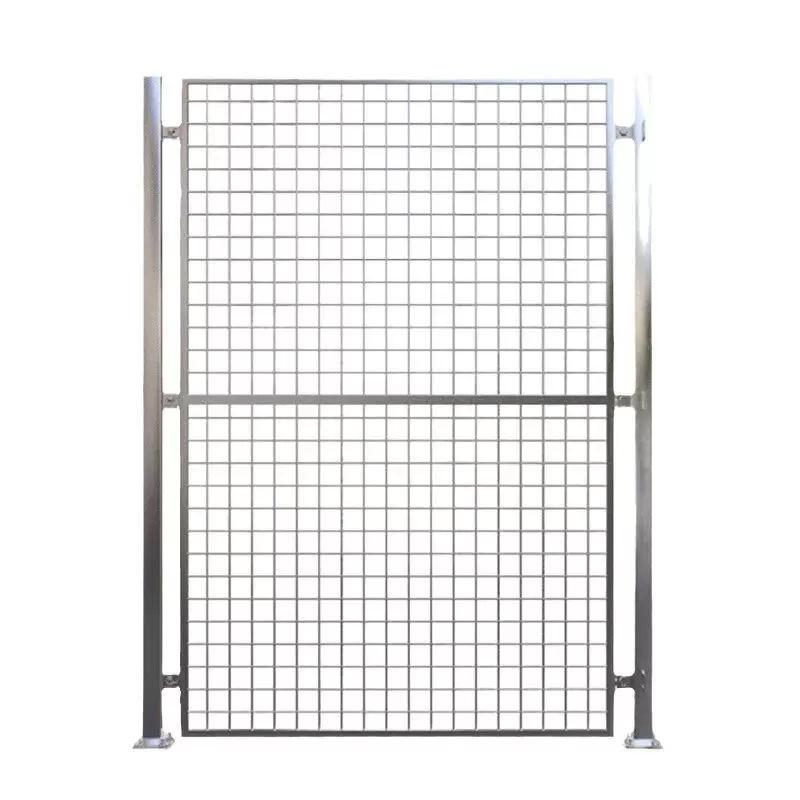
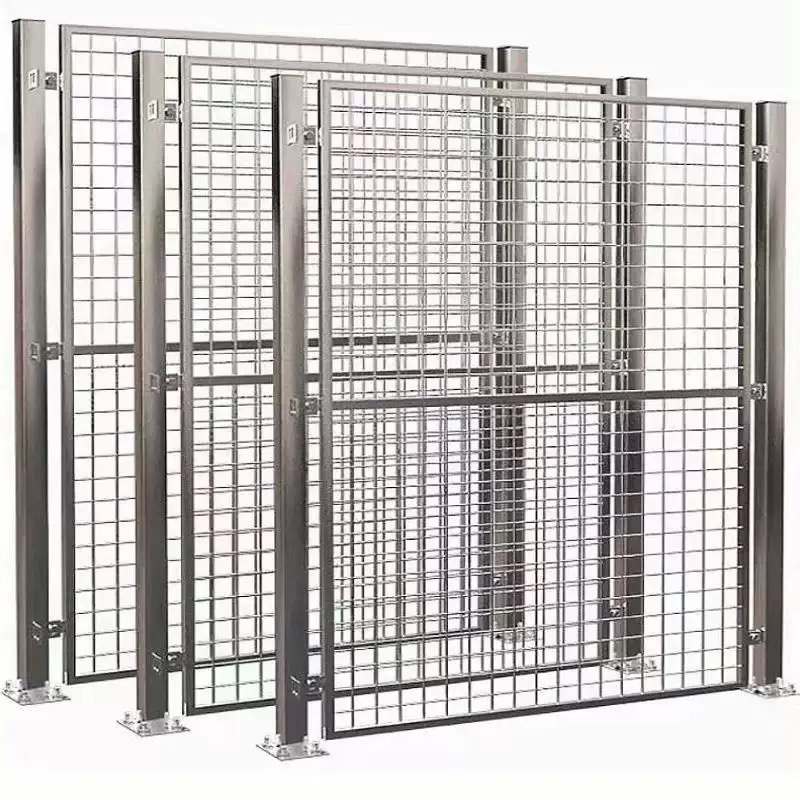
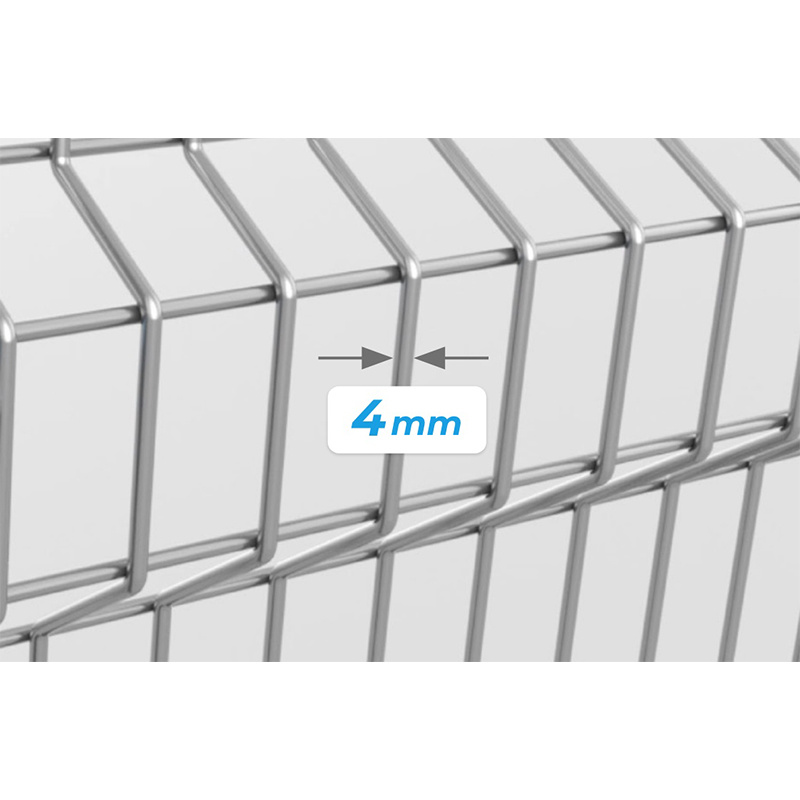
Galvanized steel barriers are protective structures designed to manage traffic flow and enhance safety on roads. They are made from steel that has been coated with zinc to prevent corrosion, thereby ensuring longevity and durability.
2.1 Composition and Characteristics
The primary material, steel, is known for its tensile strength. The galvanization process involves applying a protective zinc coating that protects the steel from rust and degradation, particularly in harsh weather conditions.
2.2 Comparison with Other Materials
While other materials such as concrete and plastic are used for road barriers, galvanized steel offers superior durability, strength, and resistance to impact. Unlike concrete, which can crack and crumble, galvanized steel can absorb shock and return to its original shape after minor impacts.
3. The Importance of Roadway Safety
The need for effective roadway safety measures has never been more pressing. Road accidents account for a significant number of injuries and fatalities each year.
3.1 Statistics on Road Accidents
In recent years, road traffic accidents have resulted in over 1.3 million deaths annually, according to the World Health Organization. These alarming figures highlight the urgent necessity for reliable safety measures.
3.2 Common Causes of Roadway Accidents
Accidents can occur due to various factors, including speeding, distracted driving, and adverse weather conditions. Barriers such as galvanized steel can mitigate these risks by preventing vehicles from veering off the roadway.
4. Benefits of Galvanized Steel Barriers
The advantages of installing galvanized steel barriers are manifold, making them a preferred choice for roadway safety.
4.1 Durability and Longevity
Galvanized steel barriers are designed to withstand extreme weather conditions, ensuring they remain effective over time. The protective zinc coating prevents rust and corrosion, prolonging the lifespan of the barriers.
4.2 Corrosion Resistance
Corrosion can significantly weaken structural integrity. The galvanization process enhances the barrier's resistance to environmental factors, ensuring reliable performance in both dry and humid conditions.
4.3 Cost-Effectiveness
While the initial investment may be higher than other materials, the long-term benefits of galvanized steel barriers, including reduced maintenance costs and longevity, make them a cost-effective solution for roadway safety.
5. Types of Galvanized Steel Barriers
Understanding the various types of galvanized steel barriers can help in selecting the most appropriate option for specific needs.
5.1 Temporary vs. Permanent Barriers
Temporary barriers are often used in construction zones or for events, while permanent barriers are installed on highways and major roads to ensure ongoing safety.
5.2 Applications in Different Environments
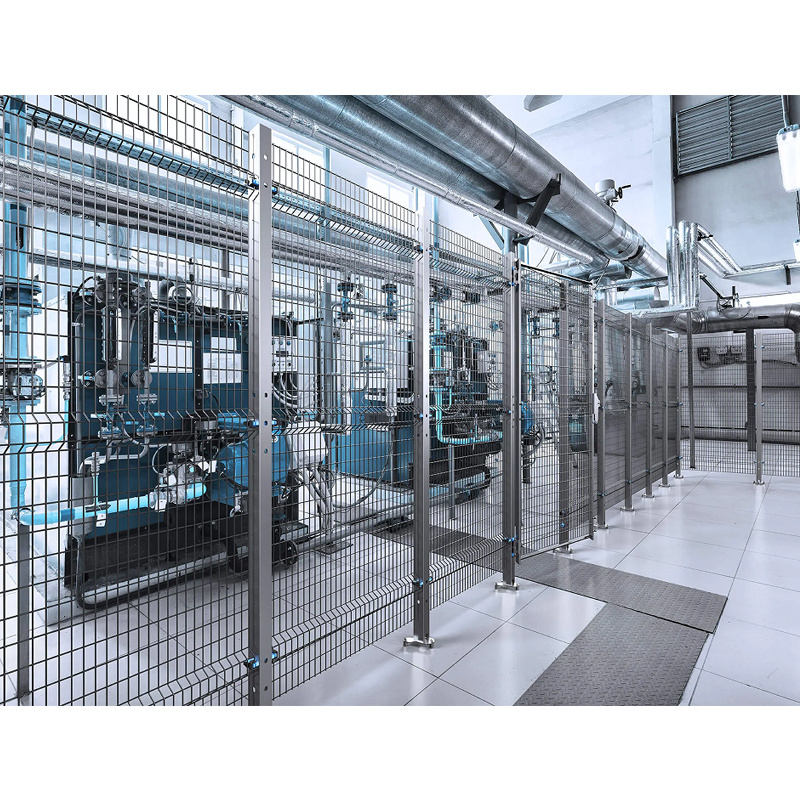
Galvanized steel barriers can be utilized in various environments, from urban areas to rural highways, adapting to the specific traffic conditions and safety requirements.
6. Installation and Maintenance of Galvanized Steel Barriers
Proper installation and routine maintenance are vital to ensure the effectiveness of galvanized steel barriers.
6.1 Best Practices for Installation
Installing galvanized steel barriers requires careful planning and precision. It is essential to follow manufacturer guidelines and local regulations to ensure optimal placement and effectiveness.
6.2 Routine Maintenance and Inspections
Regular inspections should be conducted to assess the condition of the barriers. Any signs of damage or wear should be addressed promptly to maintain safety levels.
7. Case Studies: Successful Implementations
Several regions have successfully implemented galvanized steel barriers, leading to significant reductions in accidents. These case studies highlight the effectiveness of these barriers in real-world applications.
8. Frequently Asked Questions (FAQs)
What is the lifespan of galvanized steel barriers?
Galvanized steel barriers can last for several decades with proper maintenance, often exceeding 30 years.
Are galvanized steel barriers environmentally friendly?
Yes, galvanized steel is recyclable, making it an environmentally conscious choice for roadway safety.
How do galvanized steel barriers compare to concrete barriers?
Galvanized steel barriers are more flexible and can absorb impacts better than concrete barriers, which tend to crack under pressure.
Can galvanized steel barriers be painted?
Yes, while they are already corrosion resistant, painting can enhance visibility and aesthetics but may require regular maintenance.
Are there any safety standards for installing galvanized steel barriers?
Yes, installation must comply with local transportation safety standards and regulations to ensure effectiveness and safety.
9. Conclusion
In conclusion, galvanized steel barriers play a crucial role in enhancing roadway safety measures. Their durability, corrosion resistance, and cost-effectiveness make them an ideal choice for managing traffic and preventing accidents. As roadway safety remains a significant concern, investing in high-quality galvanized steel barriers is a proactive step toward protecting lives and improving overall traffic conditions. By understanding the benefits and proper maintenance of these barriers, we can contribute to safer roadways for everyone.
Hot Products