
Protecting Workers: The Importance of Wire Machine Guards in Occupational Safety
Release Time:
Jul 29,2026
Protecting Workers: The Importance of Wire Machine Guards in Occupational Safety Table of Contents Introduction to Wire Machine Guards The Importance of Wire Machine Guards for Worker Safety Types of Wire Machine Guards Regulatory Standards for Wire Machine Guards Best Practices for Implementing Wire Machine Guards Maintenance and Inspection of Wire Machine Guards Case
Protecting Workers: The Importance of Wire Machine Guards in Occupational Safety
Table of Contents
- Introduction to Wire Machine Guards
- The Importance of Wire Machine Guards for Worker Safety
- Types of Wire Machine Guards
- Regulatory Standards for Wire Machine Guards
- Best Practices for Implementing Wire Machine Guards
- Maintenance and Inspection of Wire Machine Guards
- Case Studies: Success Stories in Worker Protection
- Frequently Asked Questions (FAQs)
- Conclusion
Introduction to Wire Machine Guards
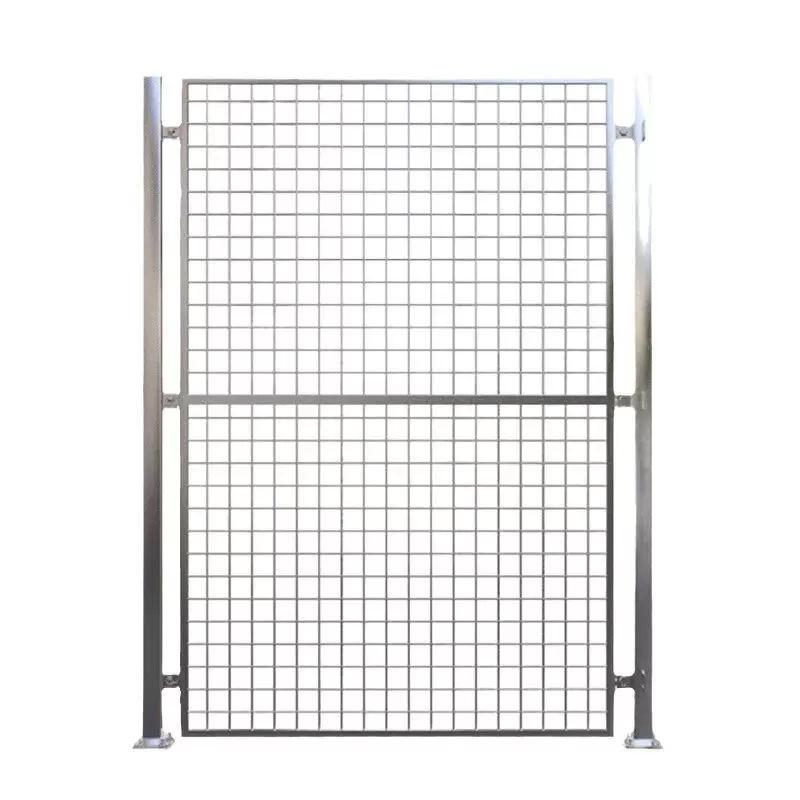
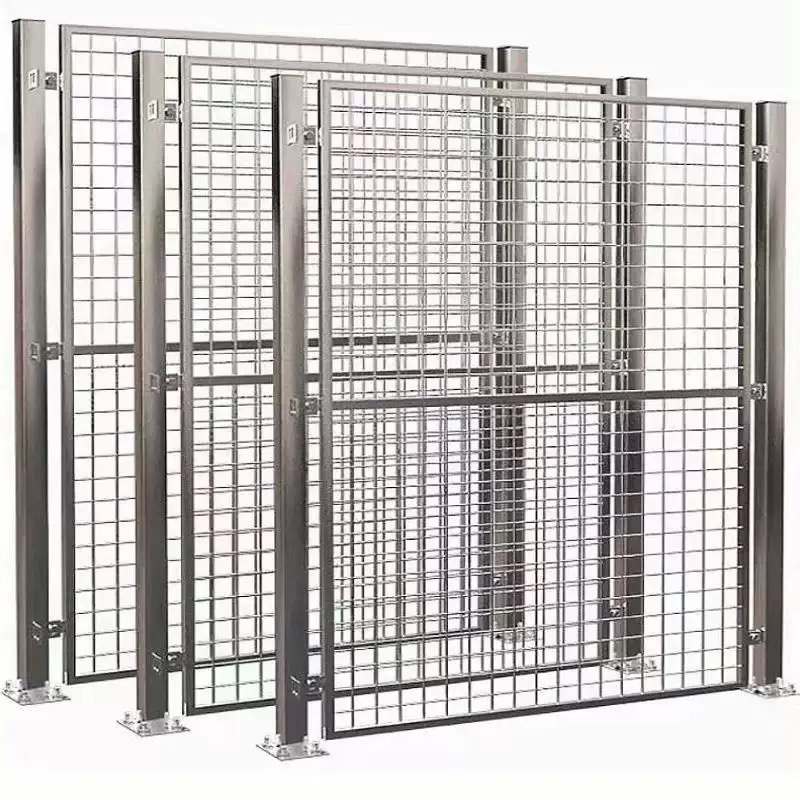
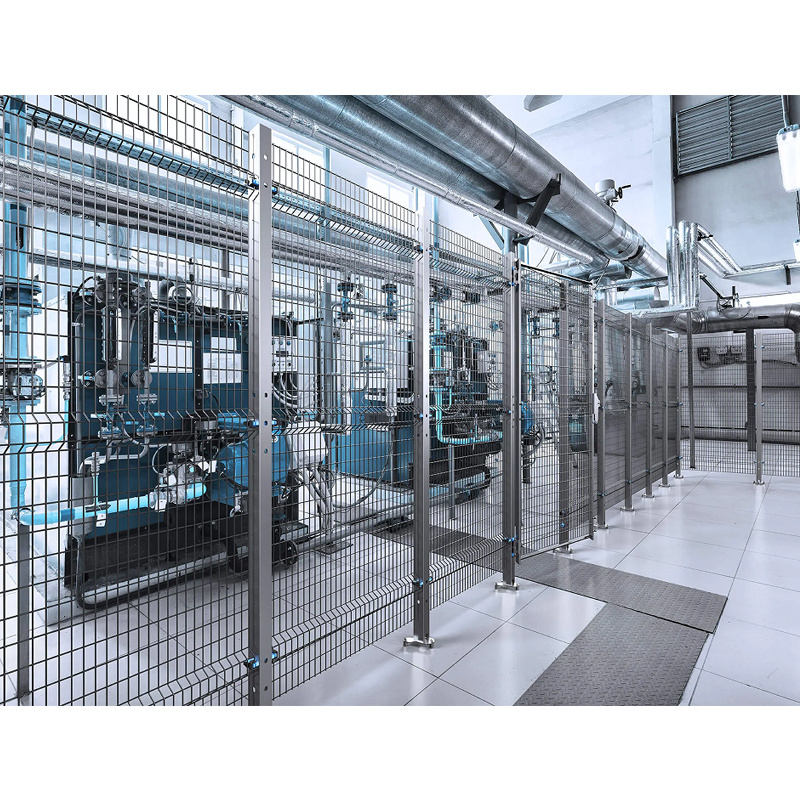
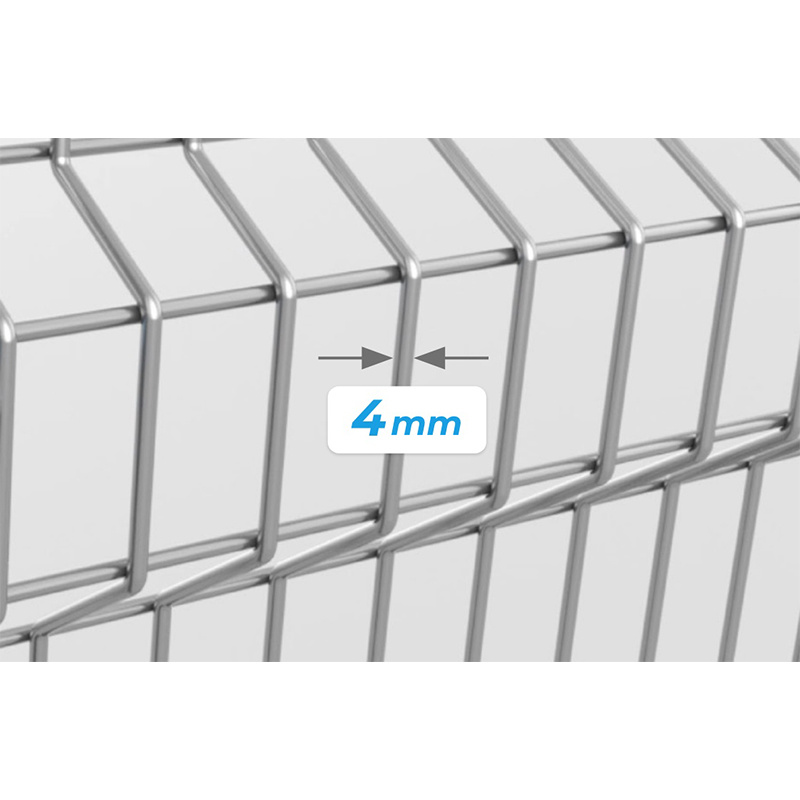
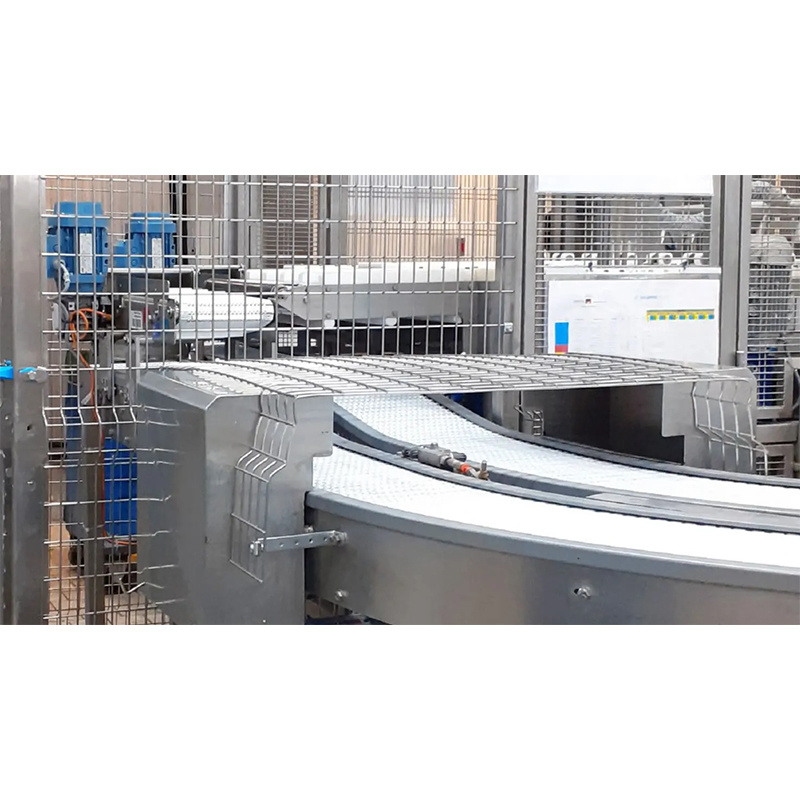
In industrial environments, safeguarding employees from machinery hazards is paramount. **Wire machine guards** play a crucial role in this endeavor by providing effective barriers between workers and potential dangers. These guards are designed to prevent accidental contact with moving parts of machines, thereby reducing the risk of injuries. Understanding the significance and functionality of wire machine guards is essential for maintaining a safe workplace.
The Importance of Wire Machine Guards for Worker Safety
Wire machine guards serve as the first line of defense against workplace accidents. They protect employees from various hazards associated with machinery, including rotating parts, sharp edges, and flying debris. Here are some key reasons why these guards are indispensable:
Prevention of Accidental Injuries
Wire machine guards are engineered to minimize the risk of accidental contact with hazardous machine components. With proper installation, these guards effectively shield workers, significantly lowering the chances of severe injuries or fatalities.
Enhancing Compliance with Safety Regulations
Employers are mandated to comply with safety regulations set forth by various governing bodies, such as OSHA (Occupational Safety and Health Administration) in the U.S. Effective use of wire machine guards ensures compliance with these safety standards, helping organizations avoid penalties and legal issues.
Boosting Employee Confidence
A safe working environment fosters employee confidence and morale. When workers know that adequate safety measures, such as wire machine guards, are in place, they are more likely to focus on their tasks without the constant worry of accidents.
Types of Wire Machine Guards
Wire machine guards come in various forms, each tailored to address specific safety needs. Understanding the types available can help organizations select the most appropriate options for their machinery.
Fixed Wire Guards
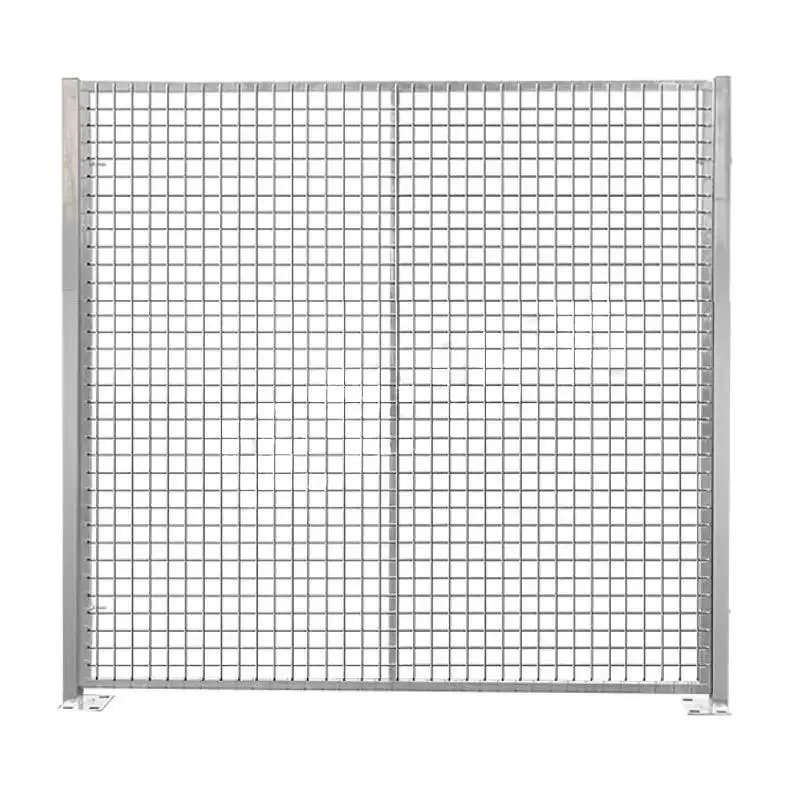
Fixed wire guards provide a permanent barrier around hazardous areas. They are designed to remain in place during machine operation, ensuring continuous protection for workers.
Adjustable Wire Guards
Adjustable wire guards can be modified to accommodate different machine configurations or types of work being performed. This flexibility makes them suitable for dynamic work environments.
Removable Wire Guards
Removable wire guards allow for easy access to the machine for maintenance or adjustments without compromising safety. They are designed to be reattached securely when the machine is in operation.
Regulatory Standards for Wire Machine Guards
Adhering to regulatory standards is vital for workplace safety. Various organizations outline guidelines for the effective use of wire machine guards.
OSHA Regulations
In the United States, OSHA sets forth specific standards regarding the use of machine guards to protect employees. These regulations require that all machines have appropriate guarding mechanisms in place to prevent contact with moving parts.
ANSI Standards
The American National Standards Institute (ANSI) provides guidelines on the design, construction, and use of machine guards. These standards ensure that wire machine guards meet safety requirements, providing an additional layer of protection for workers.
Best Practices for Implementing Wire Machine Guards
To ensure maximum safety, organizations should implement best practices when installing and maintaining wire machine guards.
Risk Assessment
Conducting a thorough risk assessment is crucial before selecting and installing wire machine guards. This assessment should identify potential hazards and determine the appropriate guard type for each machine.
Proper Installation
Wire machine guards must be installed correctly to ensure they function effectively. Employers should follow manufacturer guidelines and industry standards during installation to avoid any safety breaches.
Regular Training
Employees should receive ongoing training on the importance of wire machine guards and how to work safely around machinery. Regular training sessions help reinforce safety protocols and keep employees informed about any updates or changes.
Maintenance and Inspection of Wire Machine Guards
Regular maintenance and inspection of wire machine guards are essential for their effectiveness.
Routine Inspections
Conducting routine inspections helps identify wear and tear, ensuring that the guards remain in good condition. Any signs of damage should be addressed immediately to prevent potential accidents.
Maintenance Protocols
Establishing maintenance protocols ensures that wire machine guards are regularly checked and repaired as necessary. Documentation of maintenance activities can also help with compliance and accountability.
Case Studies: Success Stories in Worker Protection
Examining real-world examples can provide valuable insights into the effectiveness of wire machine guards.
Case Study 1: Manufacturing Plant Transformation
A manufacturing plant implemented wire machine guards after experiencing several near-miss incidents. After installation, they reported a significant reduction in accidents and an increase in employee safety awareness.
Case Study 2: Construction Site Safety Enhancement
A construction site utilized adjustable wire guards around heavy machinery. By allowing for easy access while maintaining protection, they were able to improve both safety and productivity among workers.
Frequently Asked Questions (FAQs)
1. What materials are wire machine guards typically made of?
Wire machine guards are commonly constructed from steel or aluminum, providing durability and strength to withstand industrial environments.
2. How often should wire machine guards be inspected?
We recommend inspecting wire machine guards at least once a month or after any significant maintenance activities on the machines.
3. Are wire machine guards customizable?
Yes, wire machine guards can be customized based on specific machine requirements and workplace needs, ensuring optimal safety.
4. What are the common hazards that wire machine guards prevent?
Wire machine guards primarily prevent injuries from rotating parts, sharp edges, and flying objects, significantly decreasing the risk of accidents.
5. How can companies ensure compliance with safety regulations regarding machine guards?
Companies can ensure compliance by regularly reviewing OSHA and ANSI standards, conducting risk assessments, and maintaining documentation of guard installations and inspections.
Conclusion
Wire machine guards are an integral part of workplace safety, providing essential protection for employees against machinery hazards. By understanding their importance, types, regulatory standards, and best practices, organizations can create a safer working environment. Prioritizing the implementation and maintenance of wire machine guards not only protects workers but also fosters a culture of safety and compliance. Investing in these safety measures ultimately leads to a more productive and secure workplace for everyone involved.
Hot Products