
The Evolution of Safety Fencing: Trends and Innovations for Enhanced Workplace Protection
Release Time:
Aug 04,2026
The Evolution of Safety Fencing: Trends and Innovations for Enhanced Workplace Protection Table of Contents Introduction to Safety Fencing Historical Development of Safety Fencing Current Trends in Safety Fencing Innovative Materials in Safety Fencing The Rise of Smart Safety Fencing Regulatory Standards and Safety Compliance Case Studies: Successful Implementations
The Evolution of Safety Fencing: Trends and Innovations for Enhanced Workplace Protection
Table of Contents
- Introduction to Safety Fencing
- Historical Development of Safety Fencing
- Current Trends in Safety Fencing
- Innovative Materials in Safety Fencing
- The Rise of Smart Safety Fencing
- Regulatory Standards and Safety Compliance
- Case Studies: Successful Implementations
- The Future of Safety Fencing
- Frequently Asked Questions
- Conclusion
Introduction to Safety Fencing
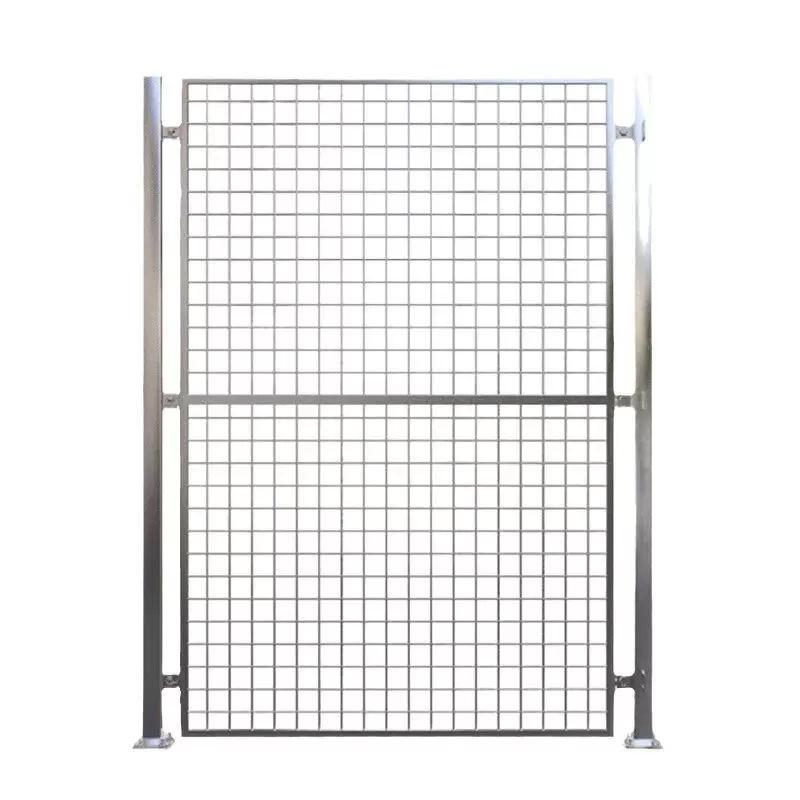
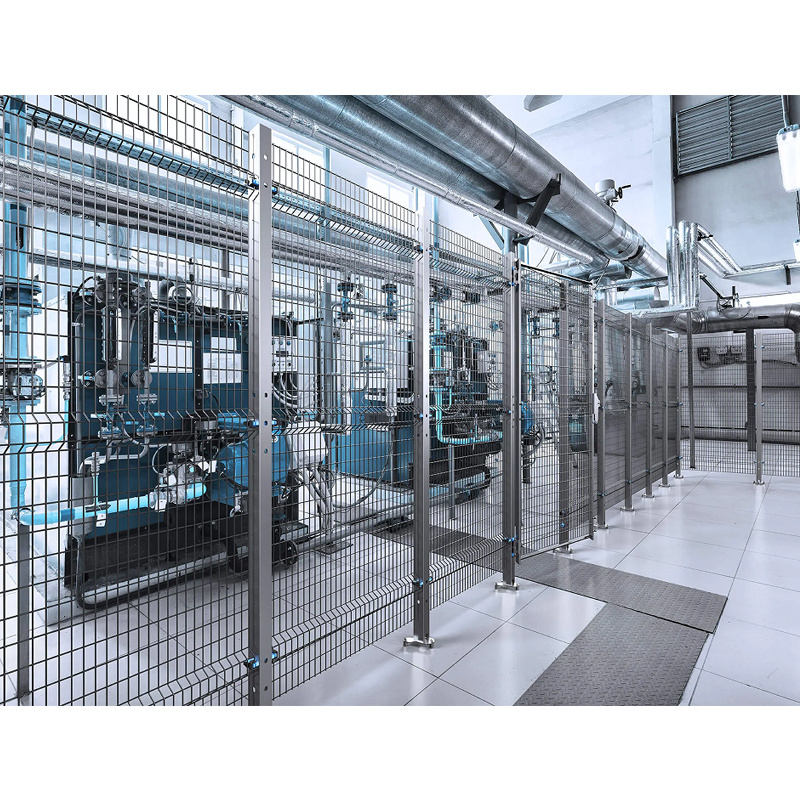
In today's fast-paced industrial landscape, creating a safe working environment is paramount. **Safety fencing** serves as a critical barrier, protecting workers from hazards and ensuring compliance with safety regulations. The evolution of safety fencing has been marked by advancements in design, materials, and technology, leading to innovative solutions that are more effective and adaptable than ever before. Understanding the trends and innovations in safety fencing is essential for businesses looking to enhance their safety measures.
Historical Development of Safety Fencing
The Early Days of Safety Fencing
The concept of safety fencing dates back to the early industrial era when basic barriers were erected to separate workers from hazardous areas. These early safety measures were often rudimentary and made from wood or metal, providing limited protection. As industries evolved, so did the need for more robust and effective safety solutions.
Regulatory Changes and Their Impact
The introduction of safety regulations in the mid-20th century marked a turning point for safety fencing. Governments began to enforce guidelines that mandated the use of safety barriers in high-risk environments. This regulatory pressure led to the development of more sophisticated fencing solutions, incorporating features such as higher visibility and enhanced durability.
Current Trends in Safety Fencing
Increased Focus on Aesthetics and Functionality
Modern safety fencing is not just about functionality; aesthetics have become a significant consideration. Many companies are now opting for fencing that complements their facility's design while still maintaining safety standards. This trend reflects a broader movement towards integrating safety features with overall workplace aesthetics, creating environments that are both safe and appealing.
Customization and Flexibility
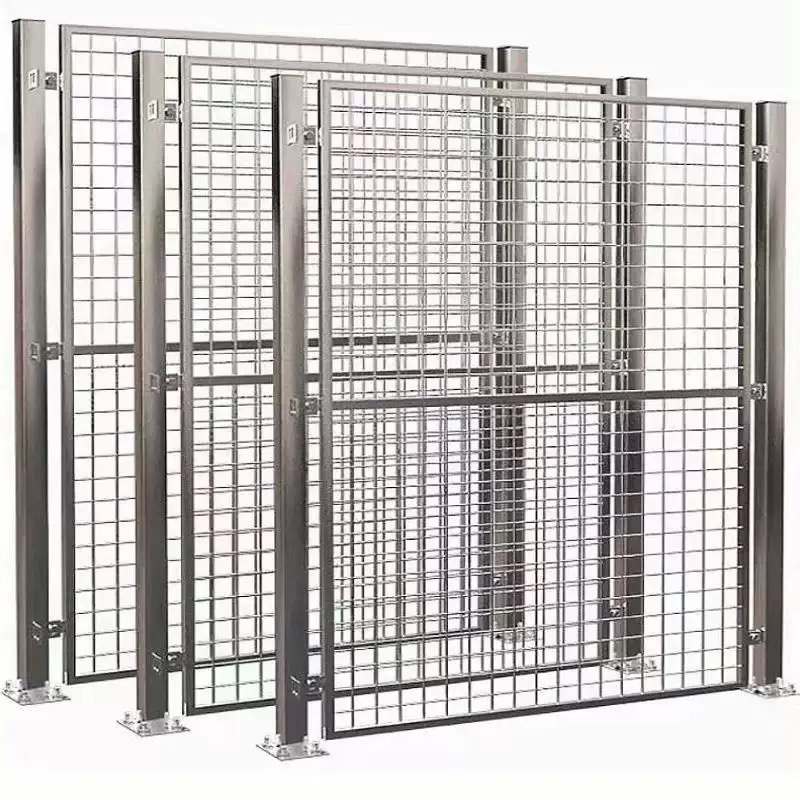
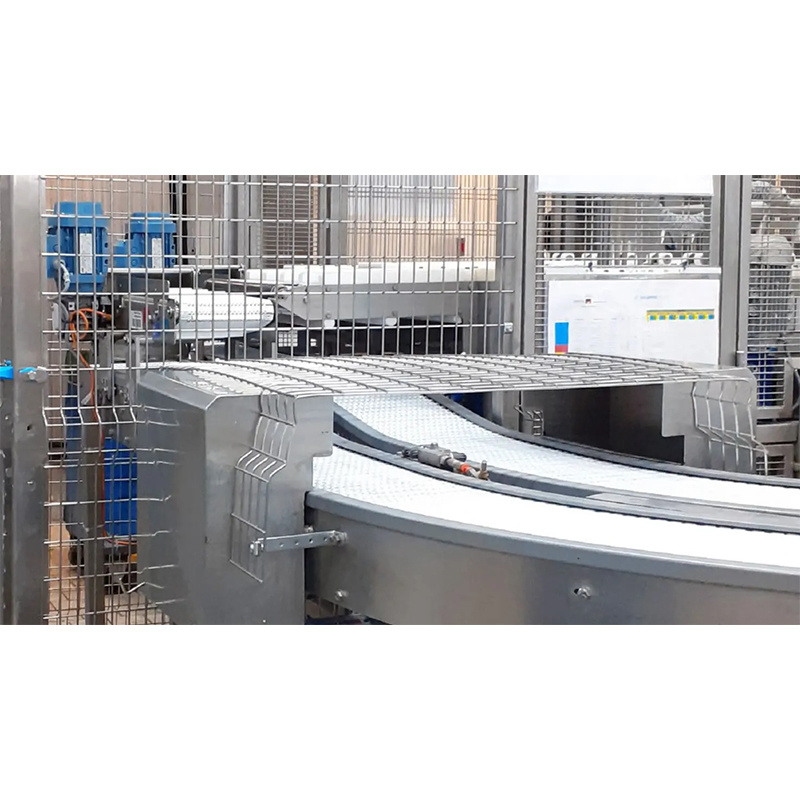
Customization has emerged as a critical trend, with businesses seeking tailored solutions to meet specific safety needs. Modular fencing systems allow for easy reconfiguration, enabling companies to adapt to changing workflows or hazards without significant downtime or cost. This flexibility is essential in dynamic environments where operations can shift rapidly.
Innovative Materials in Safety Fencing
Advanced Composites and Reinforced Plastics
One of the most significant advancements in safety fencing materials is the use of **advanced composites** and **reinforced plastics**. These materials offer a combination of strength and lightweight properties, making them ideal for safety barriers. They resist corrosion and UV degradation, ensuring longevity even in harsh environments.
Chain Link and Mesh Innovations
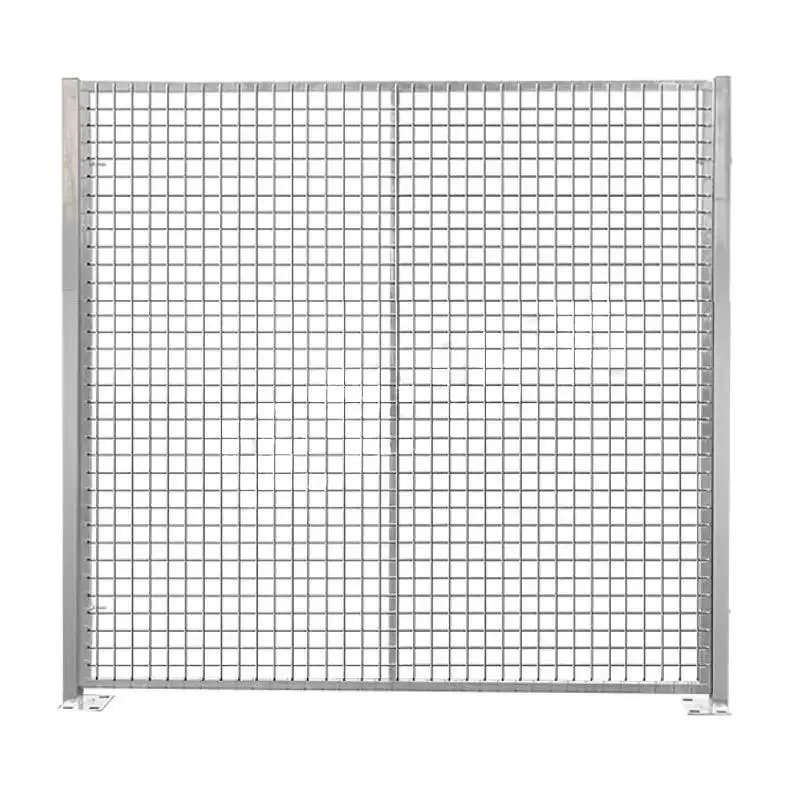
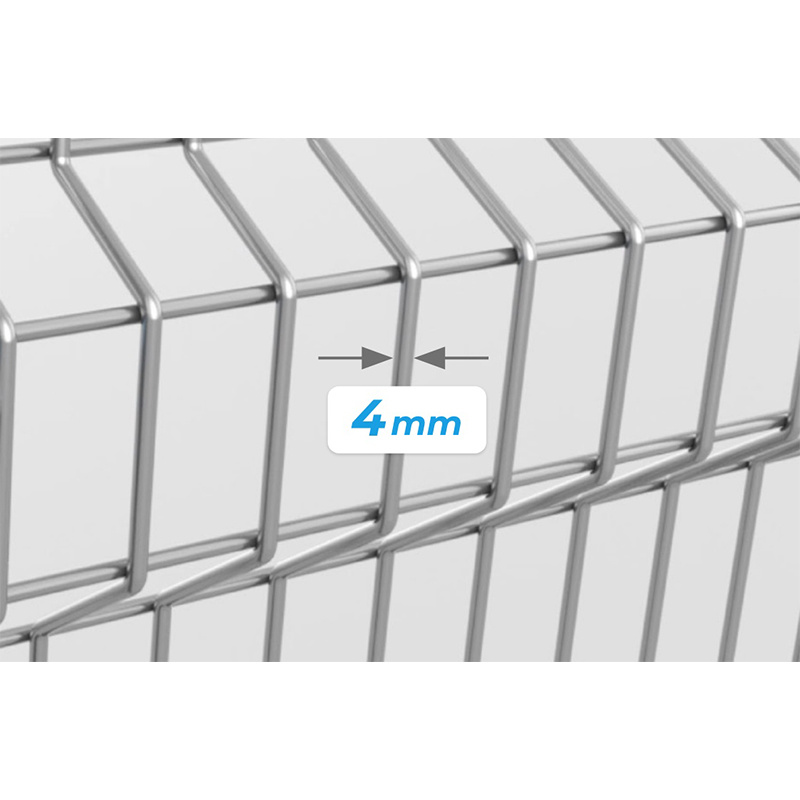
Traditional chain link fencing has undergone innovations, such as enhanced coating techniques that improve resistance to environmental factors while maintaining visibility for surveillance purposes. Mesh barriers, with their increased strength and flexibility, are now favored for various applications, particularly in construction sites and manufacturing facilities.
The Rise of Smart Safety Fencing
Integration of IoT Technology
The integration of **Internet of Things (IoT)** technology into safety fencing represents a significant leap forward. Smart safety fences equipped with sensors can monitor conditions in real-time, providing alerts for potential breaches or unsafe conditions. This proactive approach to safety enhances response times and reduces the risk of accidents.
Remote Monitoring Capabilities
Remote monitoring systems enable managers to oversee safety fencing operations from anywhere, ensuring that any issues are addressed immediately. This capability is particularly beneficial for facilities with multiple locations, where consistent safety oversight is essential.
Regulatory Standards and Safety Compliance
Understanding Key Regulations
Compliance with safety regulations is non-negotiable in any industrial setting. Various organizations, including OSHA in the United States, have established standards for safety fencing that must be met. Understanding these regulations is crucial for ensuring that safety measures are not only effective but also legally compliant.
The Role of Regular Inspections
Regular inspections of safety fencing are necessary to ensure ongoing compliance and effectiveness. Establishing a routine maintenance schedule helps identify wear and tear, ensuring that barriers remain robust and reliable. This proactive approach is essential for minimizing the risk of accidents and maintaining a safe working environment.
Case Studies: Successful Implementations
Case Study 1: Manufacturing Facility Overhaul
A leading manufacturing facility implemented a comprehensive safety fencing solution to address frequent safety breaches. By integrating a modular fencing system with smart technology, they achieved a 30% reduction in safety incidents within the first year. The enhanced visibility and real-time monitoring capabilities proved crucial in improving overall workplace safety.
Case Study 2: Construction Site Safety Revamp
In a high-risk construction environment, the introduction of advanced composite materials for safety fencing resulted in significant cost savings and improved safety outcomes. The new fencing system not only adhered to regulatory standards but also provided the necessary flexibility to adapt to changing site conditions.
The Future of Safety Fencing
Emerging Technologies and Trends
As technology continues to advance, the future of safety fencing will likely see even more innovations. The development of self-healing materials, which can automatically repair minor damages, and the use of AI to predict safety hazards are just a glimpse of what lies ahead. These advancements will further enhance the effectiveness of safety fencing solutions, making workplaces even safer.
Shifting Industry Standards
The ongoing evolution of industry standards will also shape the future of safety fencing. As awareness of workplace safety increases, companies will be compelled to adopt cutting-edge solutions that not only meet current regulations but also anticipate future trends. This proactive approach will be essential for maintaining a competitive edge in the industry.
Frequently Asked Questions
What is safety fencing?
Safety fencing is a barrier designed to protect workers from hazards in various industrial environments. It serves as a physical boundary to prevent accidental entry into dangerous areas.
What materials are commonly used in safety fencing?
Common materials include chain link, reinforced plastics, advanced composites, and metal. Each material offers different benefits based on the specific safety needs and environmental conditions.
How can I ensure my safety fencing is compliant with regulations?
To ensure compliance, regularly review local safety regulations, conduct routine inspections, and maintain proper documentation of safety measures and inspections.
What are the benefits of smart safety fencing?
Smart safety fencing offers real-time monitoring, enhanced visibility, and immediate alerts for safety breaches, significantly improving workplace safety and response times.
How often should safety fencing be inspected?
Safety fencing should be inspected regularly, typically at least once a month, and immediately following any incidents or adverse weather events to ensure ongoing safety and compliance.
Conclusion
The evolution of safety fencing reflects a continuous commitment to enhancing workplace safety through innovation and adaptation. As businesses face new challenges and regulations, staying informed about the latest trends and technologies in safety fencing is crucial. By investing in advanced materials, smart technology, and customizable solutions, organizations can create safer environments for their employees, ultimately leading to improved productivity and compliance. Embracing these innovations will not only protect workers but also foster a culture of safety that is essential in today's industrial landscape.
Hot Products